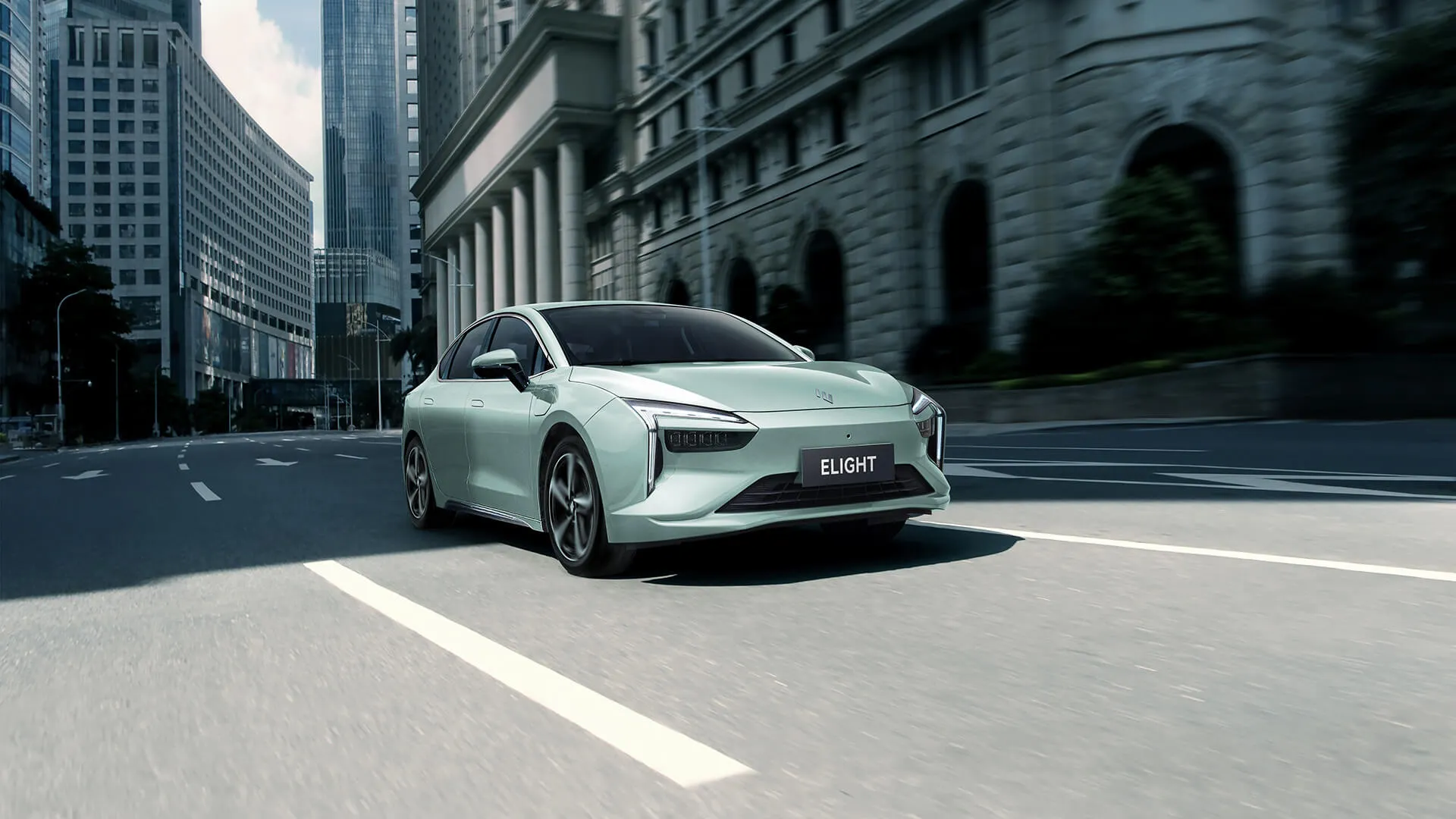
Toyota Century 2026 – The New Face of Japanese Luxury

Introduction

The Toyota Century stands as a symbol of understated refinement, Japanese craftsmanship and elite executive mobility. First launched in 1967, this flagship model from Toyota Motor Corporation has served senior government officials, diplomats and business tycoons in Japan—and now it is evolving globally. With the 2023 SUV debut and Toyota’s decision to spin Century into a dedicated ultra-luxury marque, the Century is entering a new chapter.
Car and Driver+4Wikipedia+4トヨタ自動車株式会社 公式企業サイト+4
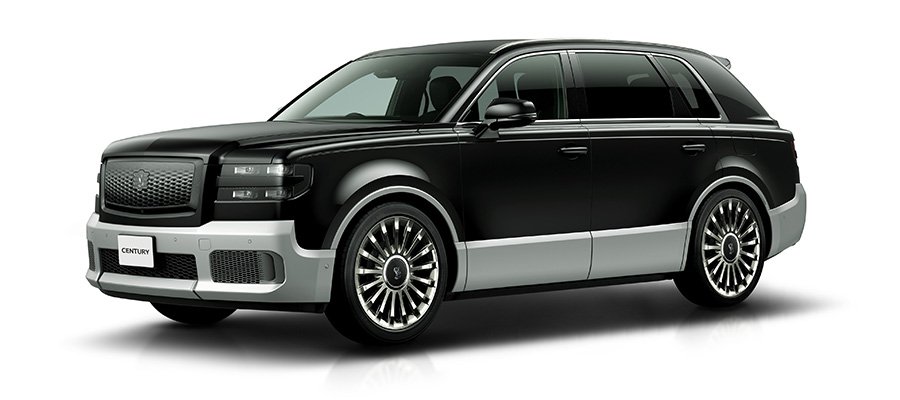
Toyota Century 2026 – The New Face of Japanese Luxury
Toyota Century price and specs

Heritage and Legacy

  • The name “Century” honours the 100th anniversary of the founder of Toyota Industries, Sakichi Toyoda (born 1867). Wikipedia

  • Since 1967, the Century has maintained a dignified, conservative design language, hand-crafted finishes, and served as Toyota’s top-of-the-line model long before Lexus existed. Wikipedia+1

  • Historically reserved for Japan only, the Century’s exclusivity is part of its allure. Wikipedia


Model Evolution & Key Milestones

Third-Generation Sedan (2018-Present):

  • Introduced in June 2018, this version combines a 5.0 L V8 hybrid system, ultra-quiet cabin, and bespoke materials. Wikipedia

  • Production remains extremely limited, favouring hand craftsmanship and very low annual volumes.

Century SUV (2023):

  • Unveiled in September 2023, built on the GA-K platform, marking the first time the Century name was applied to an SUV. Team-BHP.com+1

  • Plug-in hybrid system (3.5 L V6 + electric motors) with all-wheel drive, revised rear-seating comfort and new styling cues. CarSifu+1

Brand Elevation (2025):

  • In October 2025, Toyota officially positioned Century as a separate ultra-luxury brand above Lexus, signalling its ambitions to rival the likes of Bentley and Rolls‑Royce. Car and Driver+1

  • The concept “One of One” and further bespoke offerings suggest extremely exclusive releases. Paul Tan’s Automotive News

  • Toyota Luxury Sedan


Design, Craftsmanship & Technical Highlights

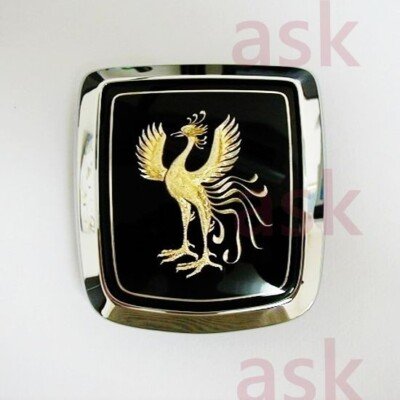
  • Exterior design draws on the mythological phoenix emblem that appears as the Century badge, reflecting dignity and tradition. Wikipedia+1

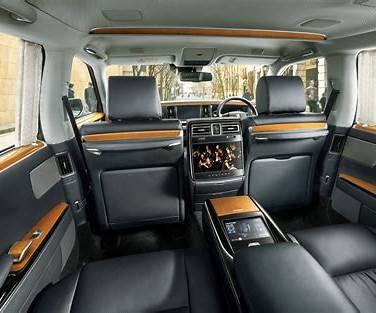
  • The interior features master-crafted wood panelling, wool upholstery, and finishes that rival handmade small-batch luxury cars. Wikipedia

  • In the 2023 SUV version, features include “Rear Comfort Mode” to maintain smooth deceleration, quiet laminated glass partitions, and rear occupant comfort emphasis. CarSifu

  • Hybrid powertrains focus on smoothness, quietness and eco-credentials rather than raw sport performance. For instance, the SUV’s claimed electric range is about 69 km in EV mode. Team-BHP.com

  • Japanese luxury car brand

Toyota Century 2026 – The New Face of Japanese Luxury


Market Position & Global Strategy

  • The Century historically catered primarily to the Japanese market with extremely limited exports. Wikipedia+1

  • With the brand’s elevation, Toyota aims to take a more global approach to ultra-luxury, though select markets remain targeted at first. DIE WELT

  • Reports indicate that the brand will focus on ultra-low-volume, highly customisable builds, putting it in direct competition with ultra-luxury marques. Paul Tan’s Automotive News

  • Toyota flagship model


Pricing & Availability Insights

  • In Japan, the 2023 SUV version was launched at around 25 million yen (~US $183,000) and limited to just ~30 units per month. CarSifu+1

  • In Pakistan, not officially imported by Toyota through local dealer networks, but grey-market indications suggest MSRP values around PKR 50–60 million+ for imported units. CcarPrice

  • Given its exclusivity and handcrafted nature, the Century is not a high-volume luxury sedan—it’s aimed at a niche clientele seeking the highest level of automotive refinement.

  • Toyota Century SUV


Why the Century Matters & Key Differentiators

  • It emphasises quiet luxury, elevating passenger comfort over flashiness— a departure from many luxury marques that emphasise performance and flamboyance.

  • Toyota’s decision to spin it off as a standalone brand signals that it acknowledges the need for a “top of the top” halo brand beyond Lexus.

  • The craft, heritage and bespoke nature appeal to clients who value exclusivity, refined materials and chauffeur-driven comfort.

  • The shift to include an SUV version aligns with global luxury trends (large-bodied luxury SUVs), ensuring relevance and modernity.

  • Century vs Lexus LS


Considerations for Pakistan Buyers & Collectors

  • Import taxes and duties: Vehicles imported into Pakistan face high customs and duties, making ownership extremely expensive.

  • Service and parts: As a very low-volume model, parts availability might be limited, and special service expertise might be required.

  • Exclusivity vs practicality: While sending a statement of status, practicality (maintenance cost, fuel, etc.) may differ from mainstream luxury cars.

  • Resale value: The rarity helps for collectable value, but market recognition outside Japan may still be limited.

  • Right-hand drive (RHD) vs left-hand drive (LHD): Ensure legal compliance and local registration rules when importing.

  • Premium Toyota car


Future Outlook

  • As an ultra-luxury vehicle brand, clarity on global availability, electrification strategy, and bespoke one-off programmes will define its next decade.

  • The concept coupe teased for 2025 suggests the brand may explore radically different body styles and highly exclusive models. Autoweek

  • Given Toyota’s global electrification goals, future Century models may adopt all-electric platforms or advanced hybrid/electric powertrains, further aligning with premium sustainability.

  • In Pakistan and other regions, demand for exclusive Japanese luxury cars could grow, positioning the Century as a niche but highly desirable choice for collectors.

  • Toyota hybrid luxury


Conclusion

The Toyota Century is more than just a luxury car—it is a statement of Japanese engineering mastery, understated prestige and bespoke refinement. With its elevation to a standalone ultra-luxury brand, the Century now stands poised to reach a global audience that values craftsmanship, exclusivity and tradition over flash. For buyers and collectors seeking the epitome of comfort, quietness and status, the Century remains one of the most compelling luxury automobiles in the world.

  • Toyota Century interior

Toyota Century 2026

Luxury Resale Redefined: The Luxury Closet Qatar – Your Guide

The Luxury Closet, with a focus on its operations in Qatar, the broader MENA luxury-resale market, and key things shoppers should know.

1. Brand Overview

The Luxury Closet is a Dubai-based luxury-resale platform that has expanded across the MENA region, including Qatar. It offers both pre-owned and new designer pieces from major labels, and also enables users to sell their items via consignment.
Key points:

  • The platform claims to list over 16,000 items across bags, watches, jewellery, and accessories. الكوبون – أكواد خصم المتاجر في قطر+1

  • Items are authenticated, which is a critical value proposition in luxury resale.

  • The company also launched a “Celebrities’ Closets” initiative in 2025 to bring high-profile influencer wardrobes onto the resale platform. Arabian Business

Luxury Resale Redefined: The Luxury Closet Qatar – Your Guide


2. What Makes It Attractive in Qatar

For luxury-fashion consumers in Qatar, The Luxury Closet offers several advantages:

  • Access to premium labels (Louis Vuitton, Chanel, Rolex, etc) via one platform. كوبون عربي قطر+1

  • Ability to buy and sell items: users can list luxury goods for resale with relatively low commissions. الكوبون – أكواد خصم المتاجر في قطر+1

  • Competitive deals and regional promos: up to 30 % off in some sales. Qyubic.com+1

  • Convenient online shopping and delivery within the Gulf Cooperation Council (GCC) region, often with quicker shipping for Gulf customers. الكوبون – أكواد خصم المتاجر في قطر+1


3. How It Works: Buying & Selling

Buying:

  • Browse listings of authenticated luxury items, each detailed with condition, brand, model, and photos.

  • Checkout through secure payment methods; for Qatar GCC customers, additional customs/import duties may already be included.

  • Shipping options include regional courier services, with delivery times in the Gulf in the 2-4 day range in many cases. الكوبون – أكواد خصم المتاجر في قطر+1

Selling (Consignment):

  • Owners of luxury items can submit pieces for resale; items are verified, authenticated, and listed online.

  • The seller receives a portion of the final sale price after commission and fees.

  • This creates a circular fashion economy where used luxury items find new owners.


4. Key Advantages & Value Propositions

  • Authenticity Guarantee: Helps reduce the risk of counterfeit items in the pre-loved luxury market.

  • Access to Hard-to-Find Pieces: Celebrity closets initiatives and rare items expand value for collectors.

  • Better Pricing: Compared to buying all-new luxury items, resale can offer value savings while still offering premium labels.

  • Sustainability Angle: Resale supports reuse and sustainability in fashion luxury.

  • Convenience for Qatari Buyers: Regional shipping, GCC-friendly policies, and local currency relevance.


5. Things to Watch / Consider

While the platform offers many benefits, there are a few considerations:

  • Customs & Import Duties: For international shipping outside GCC, buyers note that additional customs/import fees may apply. Reddit+1

  • Item Condition Matters: Even though authentication is claimed, buyers should check photos, condition grades, and return policy carefully. Some buyers on Reddit flagged issues. > “I bought a mini bag … but after I opened the box … I definitely see the colour isn’t right.” Reddit

  • Return & Refund Policies: Buyers should review how returns, shipping, and refund timelines are handled, especially for pre-owned items.

  • Market Resale Value: While luxury resale can offer value, the markup, condition, brand desirability, and timing all affect final value.

  • Shipping & Delivery Time: For GCC buyers, it may be fast; for other regions, shipping may take longer, and duties increase the total cost.


6. The Luxury Resale Market & Qatar Context

Qatar is part of a broader Middle East region where luxury resale is growing rapidly. The shift includes:

  • Consumers are becoming more brand-conscious, seeking value in premium labels.

  • Growth of online luxury resale marketplaces offering authentication and global reach.

  • Demand for both new and used luxury goods, including bags, watches, and premium fashion.

For Qatari shoppers, The Luxury Closet offers a bridge between global luxury labels and local consumption, providing a platform that combines international inventory, regional shipping, and resale functionality.


7. Final Thoughts

The Luxury Closet in Qatar stands out as a compelling platform for luxury buyers and sellers alike.
If you’re a buyer, you gain access to premium designer items, potential savings vs brand-new, and the convenience of regional online checkout.
If you’re a seller, you can monetize luxury goods sitting unused, with the benefit of authenticity and exposure to a broad luxury-resale customer base.

To make the most of the platform:

  • Check item photos and condition closely.

  • Confirm shipping cost, duties, and return policy.

  • Consider the total cost versus brand new pricing and local availability.

  • Use promotions and discount codes when possible (e.g., up to 30% off) to maximize value.

In summary, for luxury-fashion consumers in Qatar looking for authentic, high-end.Items in the resale segment, The Luxury Closet offers a smart and modern option. Would you like me to prepare a step-by-step buying guide for The Luxury Closet in Qatar (with checklists for condition, authentication, customs, etc.)?

Luxury Resale Redefined

Electric and Hybrid Cars in Pakistan 2026

Electric and Hybrid Cars in Pakistan 2026 – The Revolution of Smart Mobility

Introduction – Pakistan’s Shift Toward Electric and Hybrid Mobility

The automobile landscape in Pakistan is undergoing a historic transformation. With rising fuel costs, government incentives, and global environmental awareness, electric and hybrid cars have become the center of innovation in the local market.

By 2026, Pakistan’s roads will witness a new era of sustainable driving, where electric and hybrid vehicles are no longer just luxury items — they’re becoming accessible to middle-class families and eco-conscious buyers alike.

This shift signifies more than just a change in powertrains; it’s a revolution in technology, efficiency, and design that is redefining how Pakistan drives.

  • Electric Vehicles in Pakistan

Electric and Hybrid Cars in Pakistan 2026
Electric Vehicles in Pakistan

1. The Growth of Electric Vehicle (EV) Market in Pakistan

Pakistan’s EV market has seen exponential growth since 2023. The government’s Electric Vehicle Policy provided tax reductions, lowered import duties, and encouraged local assembly.

Brands such as MG, BYD, Changan, and Audi have paved the way for electric mobility, while new entrants like ORA and Seres are preparing to introduce 2026 models that combine affordability with futuristic design.

Key Highlights of EV Market 2026:

  • Over 25,000 EVs are estimated to be on Pakistani roads.

  • 15+ public charging stations across major cities.

  • New battery recycling and service centers are under development.

  • Increased focus on locally assembled EVs to reduce import costs.

This growing ecosystem is setting the foundation for a sustainable automotive industry by 2030.


2. Hybrid Cars Leading the 2026 Trend

While electric cars are gaining momentum, hybrid vehicles continue to dominate due to their practicality and extended range. Brands like Toyota and Honda have long been trusted for their hybrid technology.

The Toyota Corolla Cross Hybrid, Honda Vezel e: HEV, and Toyota Crown Hybrid are among the top-performing models, offering power, style, and fuel savings.

Why Hybrids Still Matter:

  • Easy refueling with no range anxiety.

  • Fuel efficiency up to 25 km/L in city conditions.

  • Lower emissions compared to gasoline-only engines.

  • Smooth transition between electric and fuel-powered modes.

Pakistan’s hybrid segment is expected to remain strong through 2026, serving as the bridge between combustion engines and fully electric mobility.

  • BYD Atto 3 Pakistan


3. Top Electric Car Models in Pakistan 2026

MG ZS EV (2026 Model)

The MG ZS EV remains Pakistan’s best-selling electric SUV. Its combination of affordability, performance, and comfort makes it a leader in the EV category.

  • Range: 420 km

  • Battery: 51.1 kWh lithium-ion

  • Charging: 30–80% in 40 minutes (fast charger)

  • Estimated Price: PKR 9.8 – 10.5 million

BYD Atto 3

The BYD Atto 3 represents the next level of innovation with its Blade Battery technology and cutting-edge design.

  • Range: 480 km

  • Power: 201 hp

  • Charging Time: 30–35 minutes (DC fast charging)

  • Estimated Price: PKR 11 – 12 million

Changan Lumin Electric SUV

Expected in late 2026, Changan Lumin will be one of the most affordable EVs in Pakistan.

  • Range: 300 km

  • Battery: 35 kWh

  • Estimated Price: PKR 6 – 7 million

Seres 3 EV

The Seres 3, introduced by DFSK, offers a stylish blend of performance and value.

  • Range: 405 km

  • Power: 160 hp

  • Battery: 52.7 kWh

  • Estimated Price: PKR 8.8 – 9.8 million

  • Toyota Corolla Cross Hybrid


4. Top Hybrid Car Models in Pakistan 2026

Toyota Corolla Cross Hybrid

The Corolla Cross Hybrid has become Pakistan’s most popular hybrid SUV, balancing performance and practicality.

  • Engine: 1.8L hybrid

  • Fuel Efficiency: 22–24 km/L

  • Transmission: eCVT

  • Estimated Price: PKR 10 – 11 million

Honda Vezel e:HEV (2026 Edition)

Known for its sleek design and advanced hybrid system, the Vezel e: H EV is a top choice for urban drivers.

  • Powertrain: 1.5L hybrid with dual motor assist

  • Fuel Efficiency: 24–26 km/L

  • Estimated Price: PKR 8.5 – 9.5 million

Toyota Prius 2026

The Toyota Prius, an icon in the hybrid world, continues its legacy with bold design and improved efficiency.

  • Fuel Economy: 28 km/L

  • Power: 194 hp combined system output

  • Estimated Price: PKR 12 – 13 million

  • Affordable EVs in Pakistan


5. Price and Range Comparison (2026)

Model Type Range / Fuel Efficiency Est. Price (PKR)
MG ZS EV Electric 420 km 9.8 – 10.5 million
BYD Atto 3 Electric 480 km 11 – 12 million
Changan Lumin Electric 300 km 6 – 7 million
Seres 3 Electric 405 km 8.8 – 9.8 million
Toyota Corolla Cross Hybrid 22–24 km/L 10 – 11 million
Honda Vezel e:HEV Hybrid 24–26 km/L 8.5 – 9.5 million
Toyota Prius Hybrid 28 km/L 12 – 13 million

The data clearly shows that hybrid cars offer superior fuel savings, while electric cars lead in zero-emission driving and advanced technology.


6. Innovations Powering the 2026 Auto Market

The 2026 lineup of electric and hybrid cars in Pakistan will showcase technological advancements never seen before:

  • Next-Gen Batteries: Longer life, faster charging, and higher safety.

  • AI-Powered Systems: Predictive maintenance and adaptive driving features.

  • Regenerative Braking: Energy recovery for enhanced efficiency.

  • Over-the-Air Updates: Software upgrades directly through car connectivity.

  • Smart Infotainment: Integration with mobile apps, navigation, and safety alerts.

These innovations reflect a global shift toward intelligent mobility, making Pakistan part of the worldwide EV revolution.

  • Future Cars 2026


7. Government Support and Local Manufacturing

The Pakistan Electric Vehicle Policy (2020–2030) continues to encourage:

  • Reduced import duties on EV parts and batteries.

  • Zero sales tax on locally assembled EVs (in certain categories).

  • Development of local battery recycling facilities.

  • Collaboration with Chinese and European manufacturers for local assembly.

Companies like MG Motors, Changan, and BYD are already considering local production of EVs and hybrids by 2026, which could significantly reduce prices and increase availability.


8. Challenges in Pakistan’s EV & Hybrid Ecosystem

Despite rapid progress, there are still obstacles to overcome:

  • High initial purchase price due to import taxes.

  • Limited charging stations outside major cities.

  • Public awareness gap about EV maintenance and charging.

  • Currency fluctuations are affecting vehicle costs.

Addressing these challenges will require continued public-private partnerships, infrastructure investment, and consistent policy support.


9. Consumer Trends – What Pakistani Drivers Want in 2026

According to market surveys, Pakistani car buyers in 2026 prioritize:

  1. Fuel and energy efficiency

  2. Low maintenance cost

  3. Stylish design with modern features

  4. Smart infotainment and safety systems

  5. Environmental sustainability

These preferences are pushing automakers to deliver more advanced yet affordable EVs and hybrids tailored for local needs.


10. Future Outlook – The Road Ahead for Pakistan’s Auto Industry

By the end of 2026, Pakistan’s electric and hybrid vehicle market is expected to grow by over 45%, marking a historic shift in consumer behavior.

Key predictions include:

  • Expansion of EV charging stations nationwide.

  • Entry of new EV brands such as ORA, NIO, and Hyundai IONIQ 6.

  • Rise of locally assembled hybrids by Toyota and Honda.

  • Greater affordability as competition increases.

Pakistan’s automotive future is heading toward a cleaner, smarter, and more connected ecosystem, with electric and hybrid technology at its core.


Conclusion – Driving Toward a Cleaner Future

The rise of Electric and Hybrid Cars in Pakistan in 2026 marks a major milestone in the country’s automotive evolution. From affordable electric SUVs to fuel-efficient hybrid sedans, Pakistani consumers now have more sustainable and technologically advanced choices than ever before.

While challenges remain, the combination of innovation, policy support, and consumer demand ensures that the EV and hybrid revolution is here to stay.

In 2026, Pakistan won’t just follow the global automotive trend — it will drive it forward, one electric mile at a time.

Hybrid Cars 2026 Pakistan