
Best Family Cars in Pakistan 2025
Best Family Cars in Pakistan 2025: Practicality, Safety, and Innovation
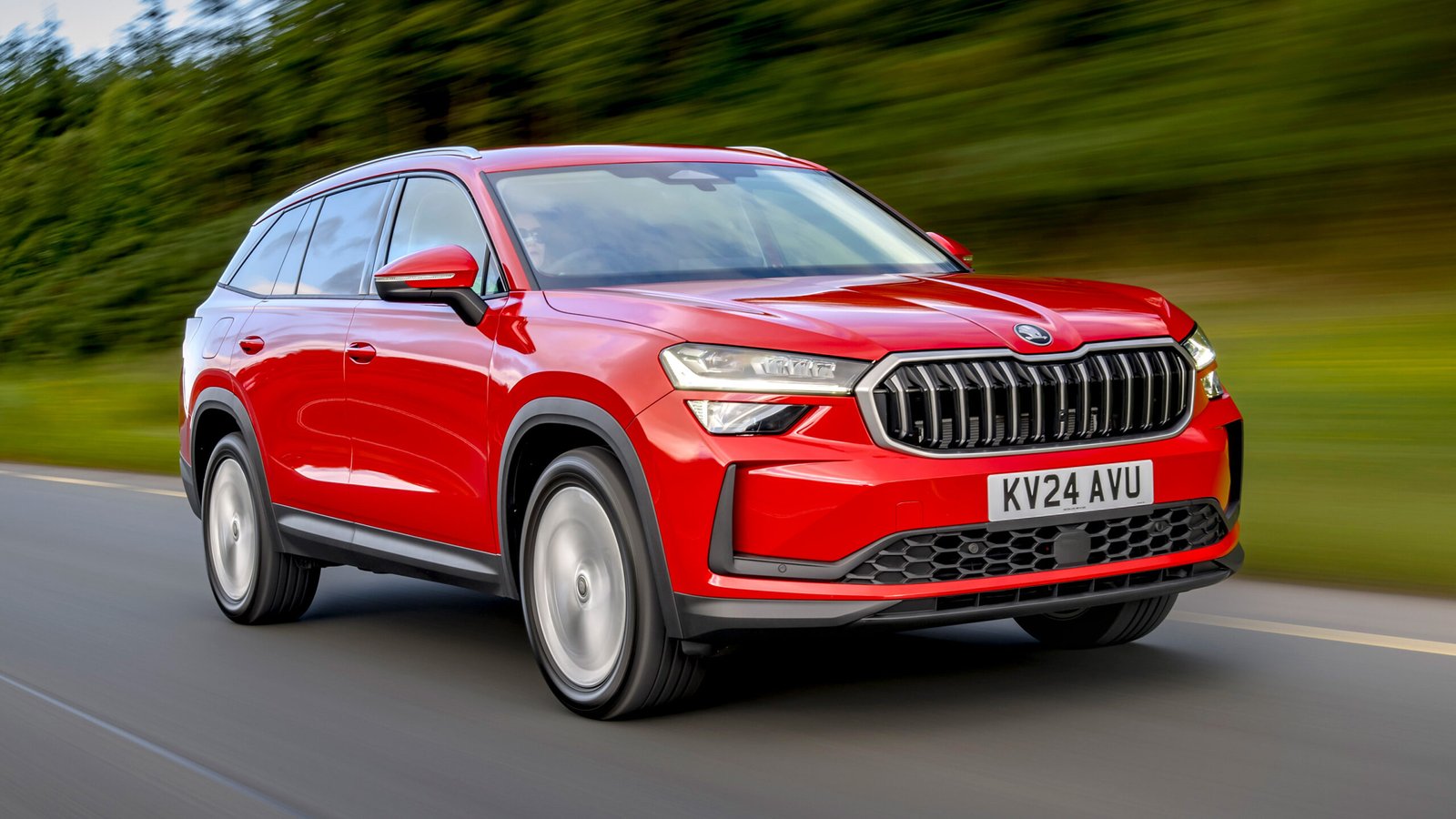
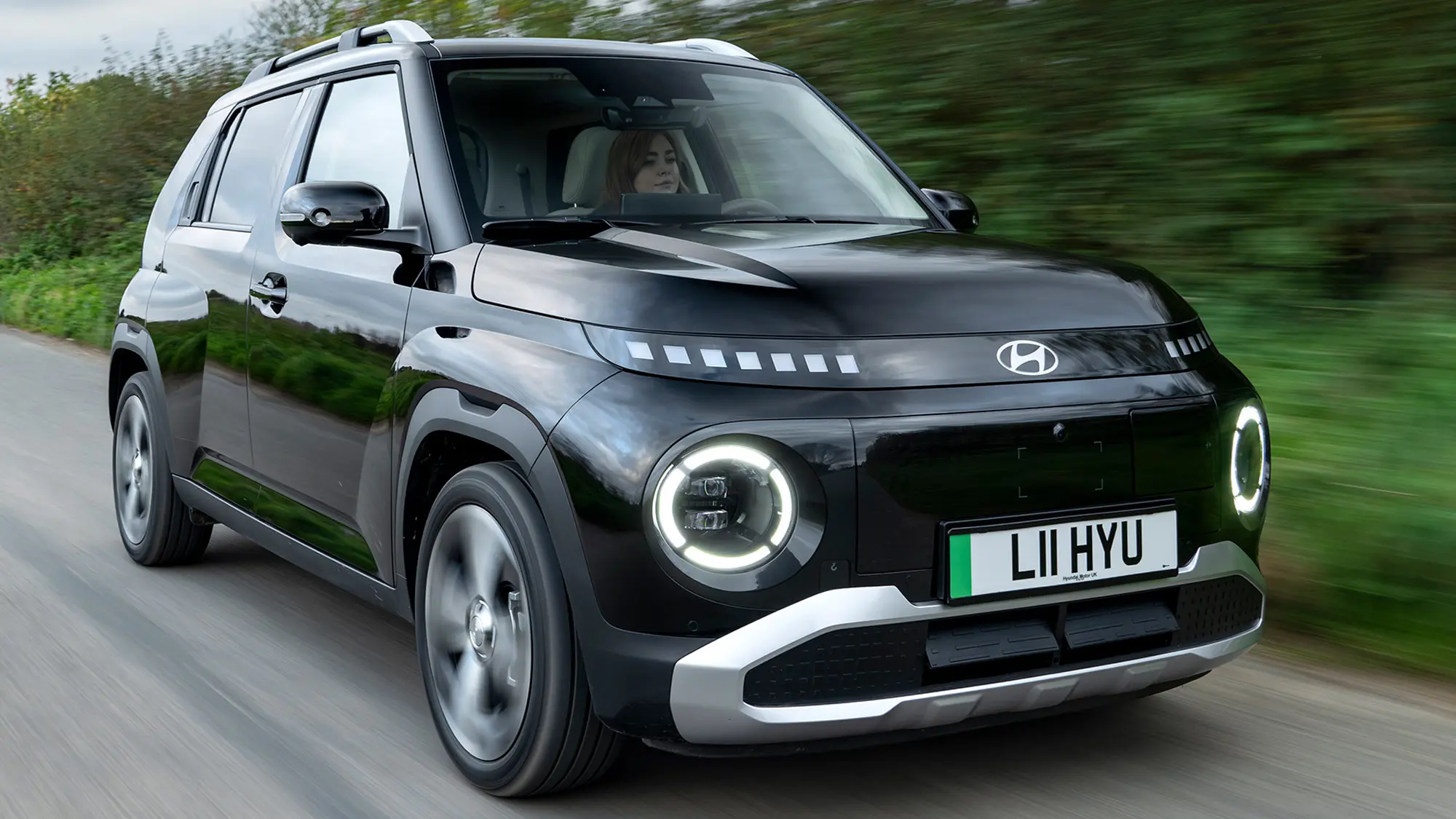
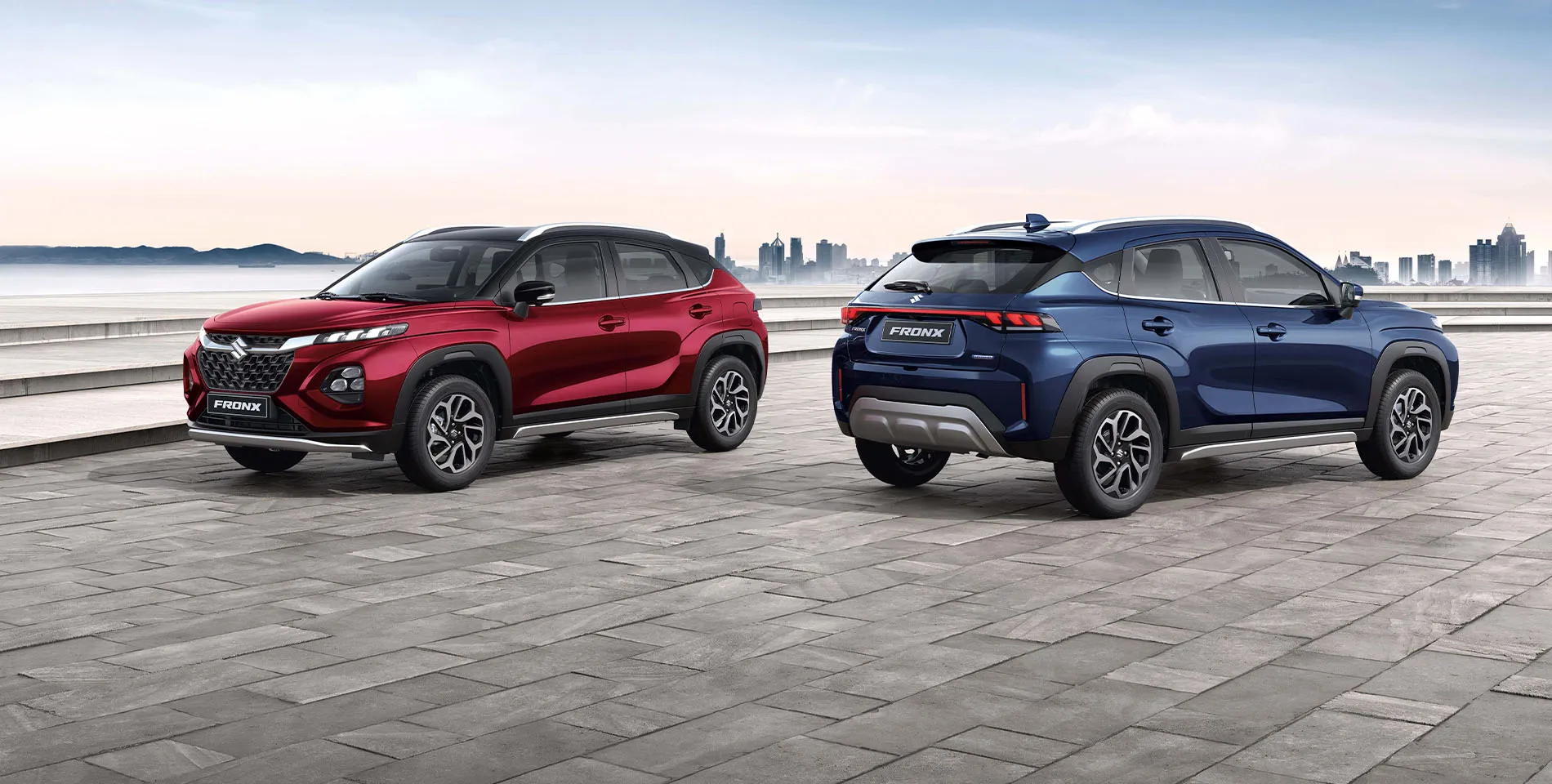
The Pakistani car market enters 2025 with growing demand for reliable, space-friendly, and fuel-efficient family cars. Families in Pakistan weigh cost, safety, and performance when they choose vehicles. The best family cars Pakistan buyers pick must deliver comfort, low running costs, and dependable car maintenance. This article explores today’s top models, future trends, and how automotive technology shapes family transportation in Pakistan.
What Matters: Key Criteria for Family Cars in Pakistan
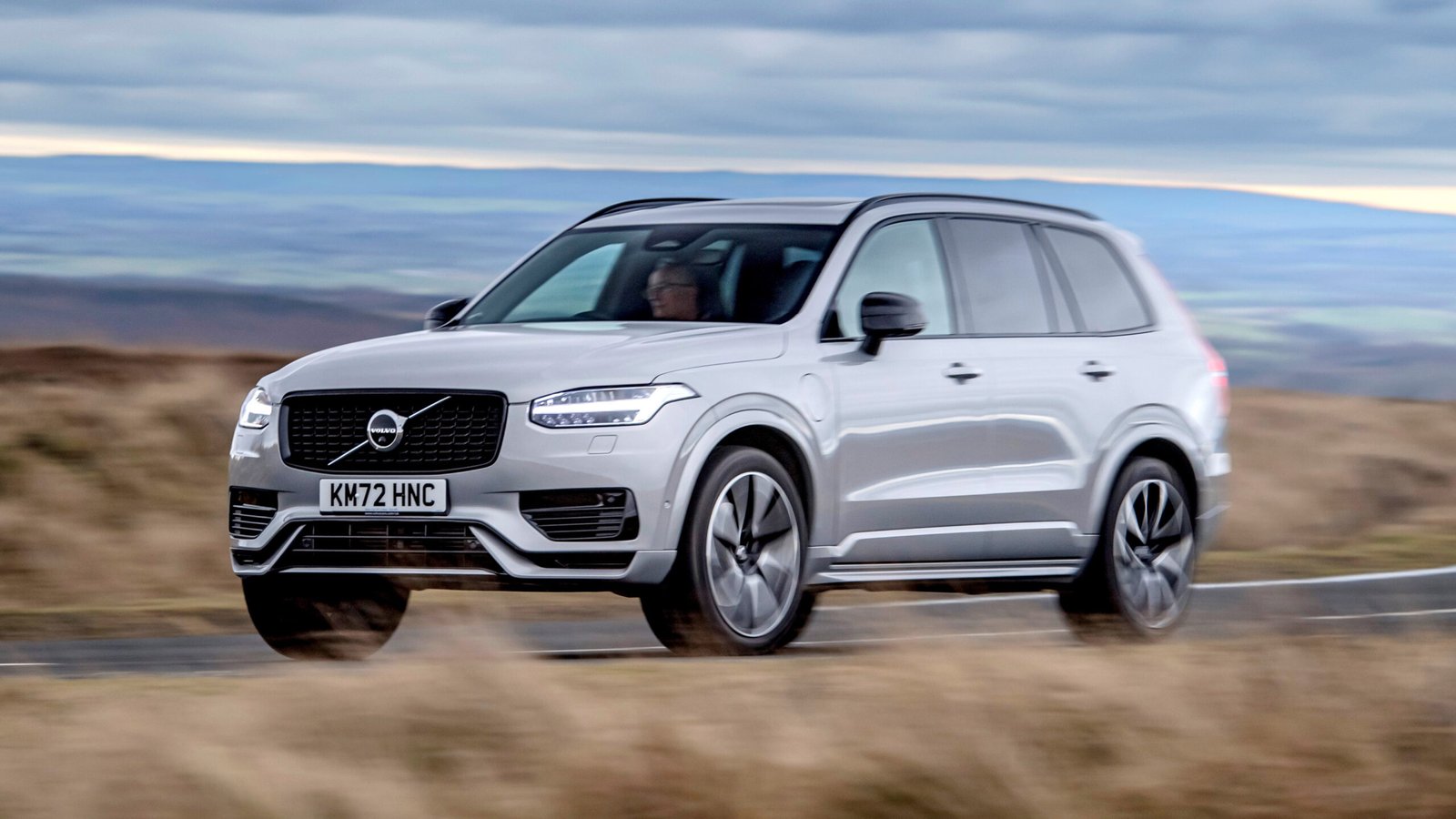
Every parent considers safety first. Car safety in Pakistan means strong crash protection, child-seat anchorage, and reliable braking. Fuel efficiency comes next. Families want fuel-efficient cars in Pakistan that reduce fuel bills. Car performance in Pakistan must remain solid, even under load.
Cost of ownership dominates decisions. Car maintenance in Pakistan drives long-term value. Car parts in Pakistan must remain accessible. Insurance also factors in. Space and flexibility matter. Buyers lean toward SUVs, sedans, or compact crossovers. Vehicle connectivity and smart car Pakistan features add modern appeal.
Buyers check brand reputation. Car brands in Pakistan influence resale value. They also examine engine type: internal combustion engine, hybrid cars, or even electric cars. They care about eco-friendly cars in Pakistan. They want innovation: car innovation Pakistan, future of cars Pakistan, automotive industry Pakistan.
In short, the right family car in Pakistan must blend practicality, technology, economy, and reliability.
Popular Family Sedans in Pakistan 2025
Toyota Corolla
The Toyota Corolla remains a top pick in Pakistan. It stands as a reliable sedan that Pakistan residents trust. The internal combustion engine in the Corolla delivers smooth power and strong fuel economy. It offers excellent car performance in Pakistan while keeping running costs manageable.
Toyota’s parts network runs deep here. Car parts in Pakistan for the Corolla are widely available. Car maintenance Pain kistan for this model remains straightforward. Its design combines classic lines with a modern interior. Families like its spacious rear seat and sufficient trunk volume.
Corolla’s crash protection impresses. Vehicle safety systems include airbags and ABS. It earns high marks in local safety assessments. This model reflects how a longstanding car brand in Pakistan can balance tradition, reliability, and value.
Honda Civic
The Honda Civic remains another favorite among Pakistani families. It delivers strong engine power in Pakistan via its internal combustion design. Its ride feels sporty yet composed under load. Car fuel economy in Pakistan stays competitive for a midsize sedan.
Honda’s reputation for reliability supports resale. Car parts in Pakistan for Honda seem plentiful. Maintenance costs stay predictable. The car design of Pakistan feels sharp and modern. Its cabin offers comfort for long trips.
Safety remains a priority. The Civic includes vehicle safety systems such as dual airbags, stability control, and child-lock doors. Families feel confident on city drives and highway journeys.
Honda City
The Honda City wins many votes because it blends compact size and family utility. It feels nimble in urban traffic. Its internal combustion engine in Pakistan gives solid fuel efficiency. Car performance in Pakistan meets daily demands.
Maintenance remains low-cost. Car parts in Pakistan for the City cost less than for larger sedans. Car insurance in Pakistan tends to be affordable. Its design offers a roomy rear seat and a trunk large enough for shopping or school runs.
Families appreciate its comfort, safety, and practicality. Its popularity in the Pakistani car market remains high in 2025. The Honda City illustrates how compact family cars in Pakistan can deliver real value.
Compact and Hatchback Family Cars in Pakistan
Suzuki Cultus
Suzuki Cultus proves itself as a compact family car in Pakistan. It offers low fuel consumption and easy maneuverability. Car fuel economy in Pakistan stays strong because of its small engine and lightweight design.
Car maintenance in Pakistan remains very affordable. Suzuki parts in Pakistan rank among the cheapest. Repair shops are common. The vehicle exhibits solid reliability under city conditions. Its design feels practical, not flashy, but families trust it.
Safety features include basic but essential systems. The Cultus proves that small family cars in Pakistan can still carry children and luggage safely. It remains a beloved model in the Pakistani car culture.
Suzuki Wagon R
The Suzuki Wagon R combines space and efficiency. Its tall hatchback design yields good headroom and flexible cargo space. Families love how the rear seat folds to expand storage.
It uses a small internal combustion engine in Pakistan. That engine delivers decent car performance while keeping fuel usage low. It qualifies as a fuel-efficient car in Pakistan. Maintenance costs remain low. Car parts in Pakistan cost little.
Vehicle connectivity may remain basic in this model. Yet the Wagon R meets core family needs: affordability, practicality, and economy. It embodies real value in the Pakistani car market.
Family SUVs: Space, Strength, and Safety
Toyota Fortuner
The Toyota Fortuner stands as a premium family SUV that Pakistani buyers admire. It offers ruggedness, a powerful internal combustion engine, and off-road capacity. Families who travel on highways and rough terrain respect its durability.
Its safety systems remain strong. Vehicle safety systems include multiple airbags, stability control, and a strong crash structure. Its car performance in Pakistan delivers torque and towing capability. It carries large families or gear without much compromise.
Car maintenance in Pakistan for a Fortuner costs more than for compact sedans. Parts cost more. Insurance also runs higher. Nevertheless, many families accept that trade-off because of its dependability and prestige.
KIA Sportage
The KIA Sportage appears more frequently in Pakistani driveways. It gives modern car design in Pakistan, roomy seating, and a balanced ride. Its engine offers efficient power. Fuel economy for its class remains respectable.
Maintenance for the Sportage proves reasonable. KIA provides decent coverage. Car parts in Pakistan for KIA models grow in availability as the brand expands its presence. Safety systems include lane-keep assist, airbags, and rear-parking sensors.
Car innovation in Pakistan is shown in the KIA Sportage’s design and technology. It supports vehicle connectivity, Bluetooth, and infotainment. Families enjoy its SUV stance without overpaying.
Hyundai TucsonThe
Hyundai Tucson blends style and utility. It gives a smooth ride for family driving. Internal combustion engine Pakistan options remain widely used. It gives strong acceleration and handling.
Fuel efficiency remains acceptable for an SUV. Car fuel economy in Pakistan improves when driven carefully. Maintenance costs sit in the mid-range. Car parts in Pakistan for Hyundai continue to expand.
Tucson offers modern vehicle connectivity and smart car features. It supports touchscreen infotainment, rear-view camera, and parking assist. Safety systems include airbags and electronic braking. That appeal attracts practical families.
Fuel Efficiency and Economy: Critical for Pakistani Families
Fuel remains a significant cost in Pakistan. Many families shop for fuel-efficient cars in Pakistan so that monthly expenses stay manageable. Sedans like the Honda City and compact hatchbacks like the Suzuki Wagon R emphasize economy.
Fuel efficiency ties closely to real driving habits. Urban stop-and-go traffic forces high fuel use. Families benefit when they choose hybrid cars in Pakistan or efficient internal combustion engines. Hybrid vehicles reduce reliance on petrol.
Pakistan’s economic conditions make eco-friendly cars in Pakistan more attractive. Even mild hybrid systems or small-engine sedans can reduce fuel bills. Car manufacturers in Pakistan or importers consider this demand when they bring new models.
Car Maintenance, Parts, and Reliability in Pakistan
Reliability influences the long-term cost of ownership. Car maintenance in Pakistan remains a serious concern. Many buyers check which car brands in Pakistan offer good service networks.
Car parts in Pakistan shape repair costs. For common models like the Toyota Corolla, Suzuki Cultus, or Honda City, parts remain widely available. Workshops know these models well. Repairs proceed quickly.
For SUVs, parts cost more. Imported models like the Fortuner or Tucson demand more expensive components. Labor remains cost-intensive. Families must budget for regular servicing, especially for larger engines.
Vehicle reliability ties to automotive engineering. Car innovation in Pakistan plays a lesser role here. Basic, proven engine designs tend to last longer in Pakistani conditions. Car owners prefer trust over novelty when they balance maintenance and innovation.
Safety and Family Protection on Pakistani Roads
Car safety in Pakistan matters to families. Crash ratings remain less common than in Europe. Buyers rely on local reputation, safety systems, and build quality.
Modern family cars now come with better safety gear. Vehicle safety systems include multiple airbags, anti-lock brakes, and electronic stability control. Some higher-end models include lane-keep assist or rear-parking sensors.
Families choose models with strong chassis and proven reliability. Sedans and SUVs built by top brands often feature reinforced bodies. Car design in Pakistan has matured. Automakers integrate safety into the frame, not just as an add-on.
Insurance companies in Pakistan also reward safer models. Cars with better safety systems lower risk. That benefit reduces the cost of ownership for families over time.
Rise of Hybrid and Electric Cars in Pakistan
Hybrid cars in Pakistan remain rare but are growing. Some importers bring hybrid sedans or SUVs. Their fuel economy appeals to families. Hybrids combine an internal combustion engine with an electric motor. That strategy lowers petrol consumption.
Electric cars in Pakistan remain niche. Very few EVs appear on Pakistani roads. Infrastructure limits rapid adoption. Charging stations remain sparse. Electric vehicle battery technology still costs more.
Car innovation in Pakistan may speed this shift. Local companies and policymakers may encourage eco-friendly cars in Pakistan. If infrastructure improves, more families may consider EVs or plug-in hybrids in the future.
Hydrogen cars in Pakistan remain almost unheard of. The local market does not yet support hydrogen fuel cell technology. Car manufacturing in Pakistan currently focuses on conventional and hybrid models. Hydrogen represents a long-term vision in the automotive industry in Pakistan.
Automotive Technology and Connectivity for Pakistani Families
Car brands in Pakistan deploy more automotive technology in Pakistan now. New family cars include smart car Pakistan features like touchscreen infotainment, smartphone integration, and Bluetooth.
Vehicle connectivity gives real benefits. Drivers can connect their phones, access maps, music, and messaging. Some cars may support over-the-air updates in the future.
AI in cars remains limited in Pakistan. Fully autonomous driving does not yet exist here. Partial driving assist features appear in imported premium SUVs. Advanced driver assistance systems (ADAS) are slowly reaching family models.
Parents appreciate safety-focused innovation. They value automatic braking, reverse parking sensors, and simple digital alerts. Car innovation in Pakistan continues. Local dealerships push newer models with better tech every year.
Cost of Ownership: Long-Term Considerations
Car insurance in Pakistan matters. Premiums depend heavily on model, value, and risk. Family cars often carry moderate insurance costs. SUVs cost more.
Fuel cost constitutes a large portion of the running expenses. Families using fuel-efficient cars save more. Hybrid vehicles reduce petrol bills.
Depreciation plays a role. Some car brands in Pakistan hold value well. Toyota, Honda, and Suzuki tend to have better resale. That helps families offset depreciation risk.
Car maintenance in Pakistan adds up. Regular servicing, replacement parts, and inspection consume time and money. Reliable models reduce unexpected breakdowns.
Financing also influences choices. Many families buy on loan. Monthly EMI plus maintenance becomes a key calculation. Buyers lean toward models with lower long-term costs.
Car Design, Comfort, and Family Usability
Design matters for families in Pakistan. Car design in Pakistan now blends practicality with style. Sedans have clean lines. SUVs take bold forms. Hatchbacks emphasize smart space.
Interior comfort remains essential. Families pick cars with roomy backs, good seat support, and reliable air-conditioning. Trunks must hold groceries, luggage, and school bags.
Aerodynamics plays a lesser role here, but automakers still shape bodies for efficiency and stability. Good design links to fuel economy, especially for high-speed travel on highways.
Car customization in Pakistan remains a small but growing trend. Some owners add seat covers, infotainment upgrades, or safety pads. Others focus on personalization with graphic wraps or wheels. That culture strengthens as wealth and tastes evolve.
Car Culture, Social Trends, and Family Values in Pakistan
Pakistani car culture emphasizes trust, reliability, and brand loyalty. Families often stick with well-known names like Toyota, Honda, and Suzuki. Those brands match local expectations for value.
Families discuss car purchases deeply. They weigh monthly income, cost of maintenance, and resale value. Word-of-mouth matters strongly. If someone in the family praises a model, others listen.
Car innovation in Pakistan is gradually becoming part of the culture. People speak more about fuel efficiency, alternative powertrains, and smart features. Younger drivers expect infotainment and connectivity. Older buyers prioritize durability and safety.
Used car trading remains vibrant. Many families buy second-hand items to reduce costs. They inspect condition, mileage, and service history. A solid used Toyota or Honda often becomes a family’s long-term vehicle.
Future Outlook: What’s Next for Family Cars in Pakistan
The future of cars in Pakistan looks promising. Local demand for hybrid cars in Pakistan may grow. Automakers likely respond by offering more eco-friendly models.
Electric cars in Pakistan could expand when the charging infrastructure improves. Entrepreneurs and the government may invest in charging networks. That change will boost EV adoption among families.
Automotive manufacturing in Pakistan may evolve, too. Local assembly plants could start building hybrid or EV models. That step would reduce import costs and encourage innovation.
Vehicle connectivity and smart car Pakistan features may spread. More Korean and European models could enter. AI in cars may follow, bringing driver aids to mid-tier family vehicles.
Safety will improve. Demand for better crash protection, child safety, and driver-assist systems may rise. Car brands in Pakistan will respond with stronger vehicle safety systems.
Car maintenance in Pakistan will modernize. Workshops will train more technicians on EVs and hybrids. Spare parts distribution may diversify. That shift will reduce service delays and improve reliability.
How to Choose the Best Family Car in Pakistan for 2025
-
Set a Budget
Calculate total cost: down payment, EMI, fuel, maintenance, insurance. -
Prioritize Safety
Ask about the vehicle safety features. Look for solid crash-test performance or a strong build. -
Check Fuel Efficiency
Pick fuel-efficient cars in Pakistan if you drive daily. Consider hybrid cars for Pakistan’s city and highway mix. -
Think About Size
If you need cargo and passenger room, choose an SUV Pakistan 2025 or a roomy sedan. For city driving, consider a compact hatchback or sedan. -
Inspect Maintenance Options
Ensure local workshops carry spare car parts in Pakistan. Confirm the service cost for your chosen model. -
Test Drive
Feel car performance Pakistan: engine power, ride comfort, steering, braking. -
Evaluate Future Proofing
Ask whether the car offers connectivity or smart car Pakistan features. Consider long-term eco-friendly potential. -
Resale Value
Favor brands that hold value. Toyota, Honda, and Suzuki often perform well on resale. -
Insurance
Get insurance quotes for your shortlist. Safety features may reduce premiums. -
Long-Term Planning
Think about how your family’s needs may change. Will more children join? Will your job change? Plan accordingly.
Summary: Top Picks for Best Family Cars Pakistan 2025
-
Toyota Corolla — reliable, efficient, strong parts network
-
Honda Civic — sporty performance, solid safety, good resale
-
Honda City — compact, economical, family-friendly
-
Suzuki Cultus — great fuel efficiency, very affordable maintenance
-
Suzuki Wagon R — tall hatch, roomy interior, efficient engine
-
Toyota Fortuner — rugged, powerful SUV, ideal for large families
-
KIA Sportage — modern design, comfortable, efficient
-
Hyundai Tucson — balanced SUV, good tech, decent mileage
Conclusion
Family cars in Pakistan 2025 combine practicality, performance, and growing innovation. Buyers navigate a complex market shaped by cost, brand reputation, and evolving automotive trends. Fuel-efficient cars in Pakistan remain vital to families. Reliability and maintenance drive long-term satisfaction.
Safety matters deeply. Vehicle safety, Pakistan system,,s aa nd strong structure reassure parents. Car innovation in Pakistan enters slowly. Hybrid cars Pakistan and electric cars Pakistan hold real promise, though infrastructure challenges remain.
Local workshops improve. Car parts in Pakistan are becoming more available. Auto brands adapt. Automakers see opportunity in the Pakistani car culture. They respond with smart, efficient, and safe designs.
The future of cars in Pakistan will likely shift more toward eco-friendly powertrains and smarter features. Families deserve cars that keep them safe, save money, and feel modern. In 2025, the best family cars Pakistan offers show that this shift has already begun.