
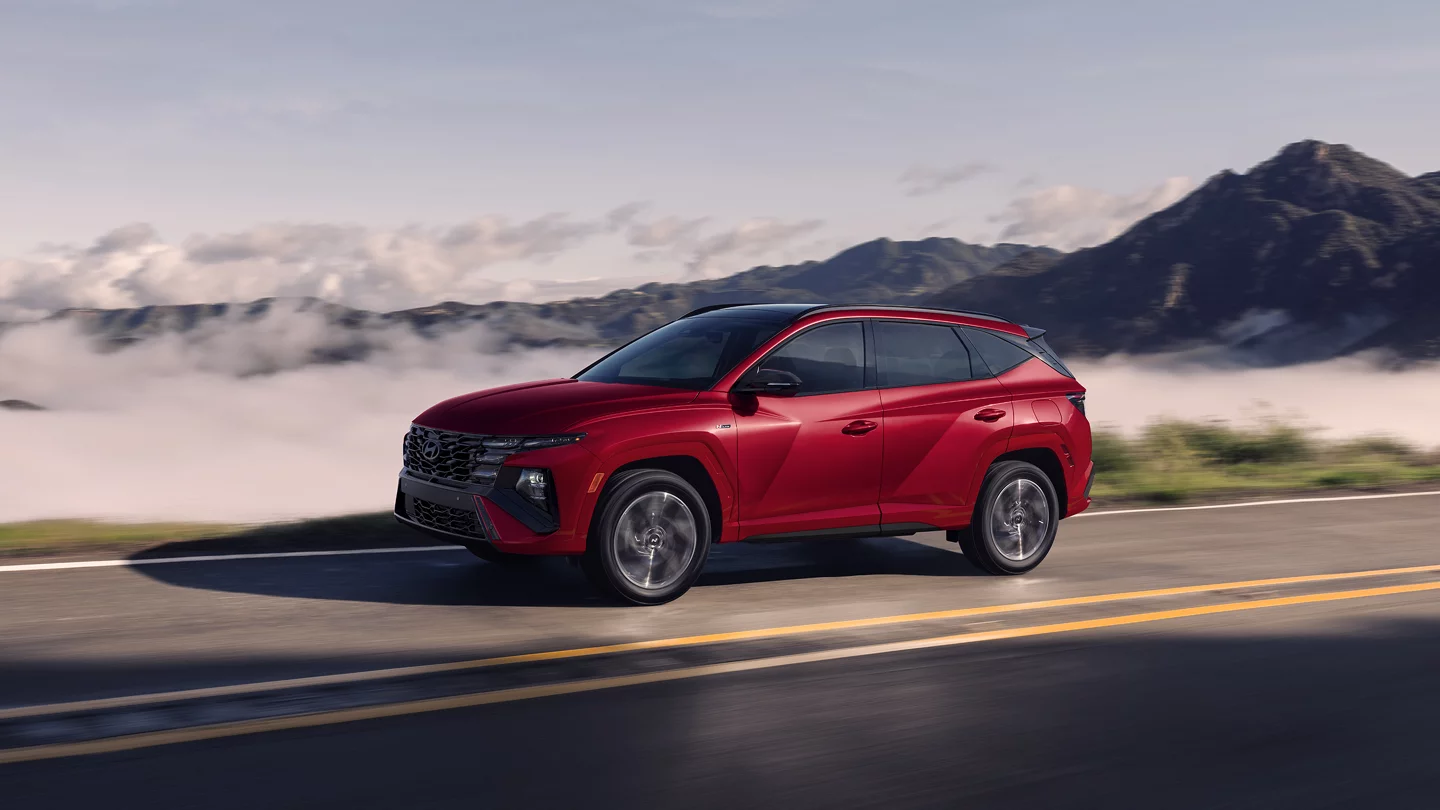
Most Fuel-Efficient Cars in Pakistan 2025

Most Fuel-Efficient Cars in Pakistan 2025

Fuel-efficient cars attracted strong interest in Pakistan in 2025. People face high petrol prices and look for affordable driving options. Families search for cars that save fuel. College students want budget cars for daily travel. Office workers want reliable and low-cost transportation. Fuel efficiency becomes the top priority for Pakistani drivers. Many brands compete in this category. Car manufacturers bring new models with smart engines. Automotive technology grows fast across the country. The market sees strong competition between hybrid vehicles, eco-friendly cars, compact cars, and new-generation engines.

Drivers want better mileage. Fuel economy shapes buying choices. The trend of smart car features grows. Car brands focus on engine power, better aerodynamics, and efficient car design. The automotive industry in Pakistan is moving through a fast transformation. High fuel prices force drivers to think smarter. Many people now choose hybrid vehicles and small sedans. Fuel-efficient cars improve long-term savings. Owners save money on fuel and maintenance. Car culture in Pakistan adapts to new trends.

People talk about mileage every day. They compare figures on social media. They discuss fuel average, engine performance, and daily driving cost. Drivers want comfort as well. They want reliable car parts, strong engines, and durable interiors. Many families change cars only for fuel savings. The year 2025 highlights fuel-efficient sedans, hatchbacks, and hybrid vehicles. The market stays active and competitive.
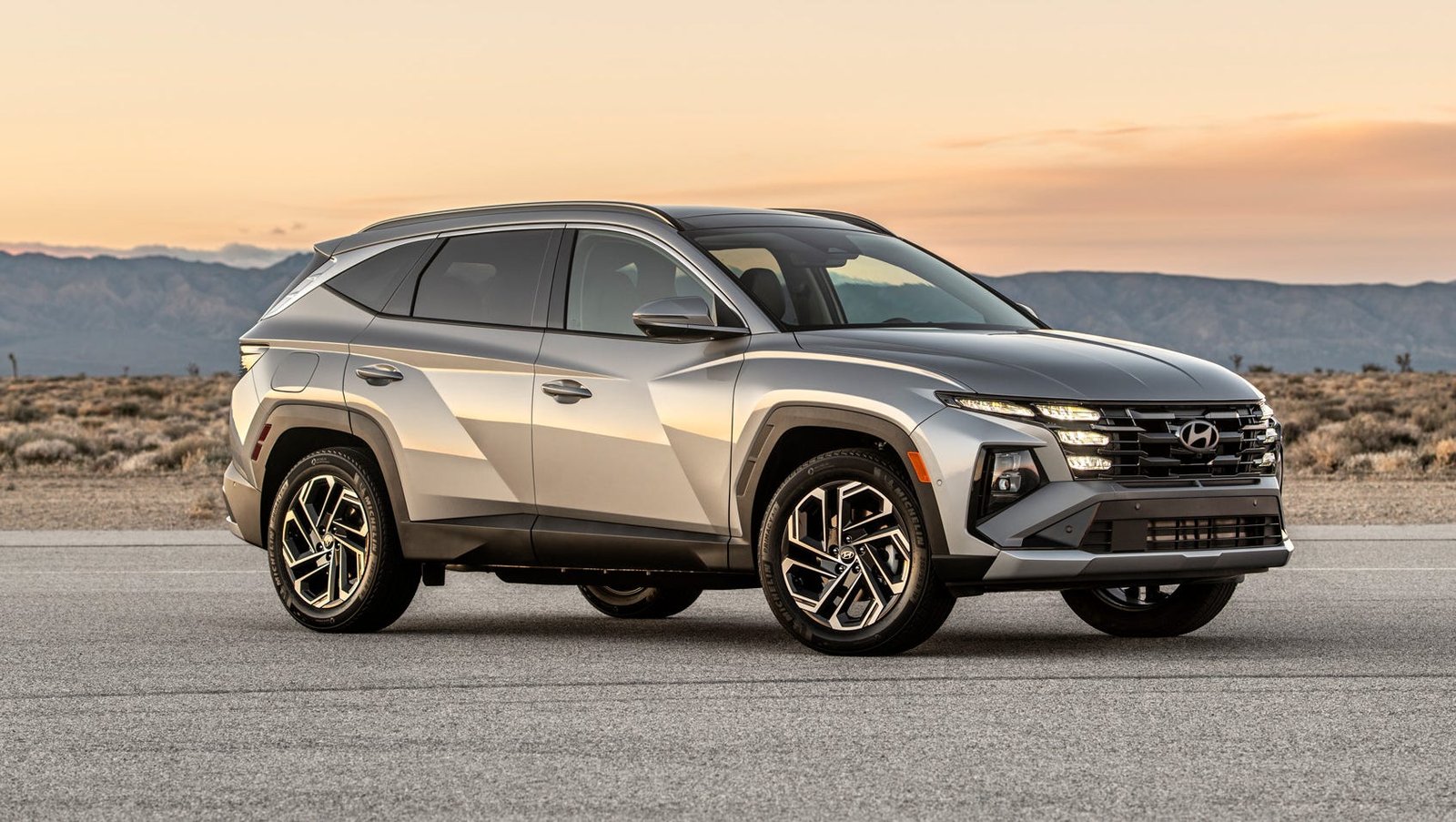
Most Fuel-Efficient Cars in Pakistan 2025


Why Fuel Efficiency Matters in Pakistan

Fuel efficiency matters for many reasons. Petrol and diesel prices often rise. Families struggle to manage travel costs. A fuel-efficient car cuts the expense. Many drivers travel long distances every day. Students travel to universities. Employees travel to offices. Business owners travel to markets and clients. Fuel-efficient cars reduce expenses for everyone.

The internal combustion engine consumes petrol or diesel. Efficient engines burn fuel cleaner and faster. This improves mileage and reduces emissions. Eco-friendly cars in Pakistan attract buyers for this reason. Hybrid vehicles use a combination of a petrol engine and an electric motor. This gives better fuel economy. Drivers notice the difference immediately.

The automotive industry in Pakistan focuses on new fuel-saving technologies. Car manufacturers upgrade engines with advanced software. AI in cars optimizes fuel use during city traffic. Smart car features monitor fuel consumption. Drivers adjust their driving style. Fuel economy improves with better awareness. Car design plays an important role. Aerodynamic shapes help cars move with less air resistance. This saves fuel.

Fuel-efficient cars also create long-term value. Cars hold better resale value. Many buyers look for high-mileage cars in the used market. Car dealers make quick sales for these models. Car maintenance also becomes easier because efficient cars reduce engine strain. Drivers enjoy smooth performance and lower running costs.


Top Fuel-Efficient Hatchbacks in Pakistan 2025

Hatchbacks remain popular in Pakistan. They offer light bodies, smooth engines, and affordable prices. Many hatchbacks deliver strong fuel economy. Hatchbacks become the first choice for young drivers and small families.

Drivers pick hatchbacks because these cars move well in traffic. They fit anywhere. Parking feels easy. Car technology in hatchbacks grows every year. Many new hatchbacks include smart infotainment, vehicle connectivity, and better safety systems.

Suzuki Alto 660cc

Suzuki Alto remains one of the most fuel-efficient cars in Pakistan. The 660cc engine performs well in city traffic. Drivers enjoy strong mileage. Engine power matches daily needs. Many families love this car because it saves fuel. Car parts remain affordable. Maintenance feels simple. Fuel economy remains the major selling point.

Suzuki Cultus

Cultus offers efficiency and comfort. Drivers enjoy smooth engine power. The car delivers great mileage. Families use Cultus for daily routines. The design stays compact. The fuel economy attracts office workers and small families. Car performance improves with better software. The aerodynamic shape improves highway mileage.

Toyota Vitz

Vitz stays popular in the used market. Many Pakistani drivers admire its efficient engine. The 1000cc engine delivers a good fuel average. The design feels modern. Car technology includes smart sensors and smooth handling. Vitz offers solid engineering. Fuel efficiency remains its strongest advantage.


Top Fuel-Efficient Sedans in Pakistan 2025

Sedans remain a strong segment in Pakistan. Families prefer sedans for comfort and reliability. People love sedans for long-distance travel. Sedans deliver great fuel economy with the right engine.

Toyota Yaris

Yaris gives excellent mileage. Pakistani families love this car for daily travel. The 1.3L engine performs well. Fuel economy stays consistent. Car design remains aerodynamic. The interior feels comfortable. Smart features support fuel monitoring. Toyota maintains strong popularity due to its reliability.

Honda City

Honda City delivers strong fuel efficiency. Many Pakistani drivers praise its performance. The 1.2L and 1.5L engines provide smooth acceleration. Fuel economy remains stable in city and highway conditions. Car parts are easy to find. Car maintenance remains simple. The design stays popular among young professionals.

Suzuki Swift

Swift offers a sporty look and strong mileage. The 1200cc engine delivers balanced performance. Aerodynamics support fuel economy. Many people choose Swift for long trips. Smart car features give better driving control. Fuel monitoring becomes easy. Swift also offers strong resale value.


Top Fuel-Efficient Hybrid Cars in Pakistan 2025

Hybrid vehicles dominate fuel economy rankings. They deliver the strongest mileage. Pakistan sees rapid growth in hybrid demand. Many families choose hybrids because they save fuel and reduce running costs. Hybrid vehicles combine electric power and petrol power.

Toyota Aqua

Toyota Aqua stands among the most fuel-efficient cars in Pakistan. The hybrid system delivers impressive mileage. The engine feels smooth. The electric motor reduces fuel consumption in city traffic. The interior feels comfortable. Aqua remains a strong choice for fuel-conscious buyers. Car technology gives accurate mileage data.

Honda Fit Hybrid

Honda Fit Hybrid delivers excellent mileage. Drivers enjoy smooth driving. The hybrid engine shifts quietly between electric and petrol power. Fuel economy remains consistent. The design stays compact and spacious. Car innovation ensures strong acceleration and efficient power use.

Toyota Prius

Prius holds a global reputation for fuel economy. Many Pakistanis admire its hybrid system. The car delivers strong mileage even in heavy traffic. Prius offers advanced aerodynamics. The shape helps reduce drag and saves more fuel. Smart car features enhance performance. Prius attracts families and professionals.


Compact Cars with Great Fuel Economy

Compact cars remain one of the most popular segments in Pakistan. Drivers choose compact cars for low maintenance, strong mileage, and easy handling.

Suzuki Wagon R

Wagon R remains a favorite for its tall shape and impressive mileage. The 1000cc engine stays efficient. Families love the interior space. The boxy design reduces weight and improves fuel economy. Wagon R performs well in city conditions.

Kia Picanto

Picanto delivers balanced performance and good fuel economy. The 1000cc engine works well in city traffic. Drivers enjoy smart features. The design feels modern. Car handling stays smooth. Fuel economy remains great for daily usage.


Fuel Efficiency and Automotive Engineering in Pakistan

Automotive engineering in Pakistan improves with new advancements. Engineers study engine efficiency. Companies upgrade engine components for better mileage. AI in cars helps optimize driving patterns. Car technology adapts to Pakistani road conditions.

Engine power influences fuel efficiency. Efficient engines burn fuel cleanly. The internal combustion engine evolves with each new model. Aerodynamic car design plays a major role. Many brands improve car aerodynamics for better highway mileage. Smart features track fuel use. Drivers improve habits and reduce consumption.

Automotive engineering Pin Akistan introduces hybrid systems. These systems improve mileage significantly. Electric motors increase engine efficiency. Battery technology supports electric drive modes. Electric cars also gain attention because they eliminate petrol usage. The future of cars in Pakistan leans toward electric and hybrid technology.


Why Pakistani Drivers Prefer Fuel-Efficient Cars

Pakistani drivers prefer fuel-efficient cars for financial reasons. Petrol prices change often. Many families plan budgets carefully. Fuel-efficient cars reduce stress. Drivers also want comfort. Cars with good mileage usually offer smooth performance.

Car maintenance stays easier with efficient cars. Many fuel-efficient engines require fewer repairs. Car parts remain affordable. Car dealerships highlight fuel economy as the biggest selling point. The automotive industry in Pakistan adapts to consumer demand.

Fuel-efficient cars also help reduce pollution. Many cities face air-quality issues. Eco-friendly cars in Pakistan help lower emissions. Hybrid vehicles reduce fuel use. People become aware of the environment. Fuel-efficient cars support a cleaner and healthier society.


Car Technology and Better Mileage

Car technology plays a huge role in fuel economy. Many cars use advanced sensors. These sensors control engine timing, fuel injection, and throttle response. Smart car features guide efficient driving. AI in cars improves engine performance.

Vehicle connectivity tracks mileage on mobile apps. Drivers study data and improve habits. Car manufacturers redesign engines with efficient combustion chambers. Better spark timing improves mileage. Aerodynamic design reduces resistance.

Regenerative braking in hybrid vehicles recovers power. This technology improves fuel economy. Car innovation grows with every model. Automotive technology in Pakistan follows global standards. Pakistani drivers receive advanced features at better prices.


Eco-Friendly Cars and Fuel Savings

Eco-friendly cars reduce pollution. These cars use clean engines, hybrid systems, and efficient body designs. Eco-friendly cars in Pakistan attract educated buyers. Drivers discuss fuel efficiency in the car culture of Pakistan. People value clean transportation.

Hybrid vehicles stand as the best eco-friendly choice for 2025. Electric cars grow slowly in Pakistan, but many people show interest. Fuel-efficient cars help protect the environment. Car brands invest in clean technology. The future of cars in Pakistan moves toward sustainability.


The Future of Fuel-Efficient Cars in Pakistan

Fuel efficiency will stay important in Pakistan. Drivers demand better mileage. The automotive industry in Pakistan keeps improving technology. Hybrids gain more attention. Compact sedans dominate the market. Car manufacturers introduce new models with efficient engines.

AI in cars helps drivers save more fuel. Smart car features support eco-driving. Engine advancements improve combustion. Lightweight materials reduce weight. Aerodynamic car design improves stability and fuel use.

Electric vehicles may replace many fuel cars in the future. Many Pakistanis study EV options. Until EVs become affordable, fuel-efficient cars will remain the top choice. The future of fuel-efficient cars in Pakistan looks strong.


Conclusion

Fuel-efficient cars defined the Pakistani automotive market in 2025. Drivers want strong mileage, reliable engines, and affordable running costs. Hatchbacks, sedans, and hybrid vehicles deliver the best efficiency. Pakistani families rely on efficient engines for daily life. Fuel economy remains the biggest factor in buying decisions. Pakistan sees major growth in automotive technology, hybrid systems, and eco-friendly design. The road ahead shows more innovation, better car design, and stronger fuel-saving performance.
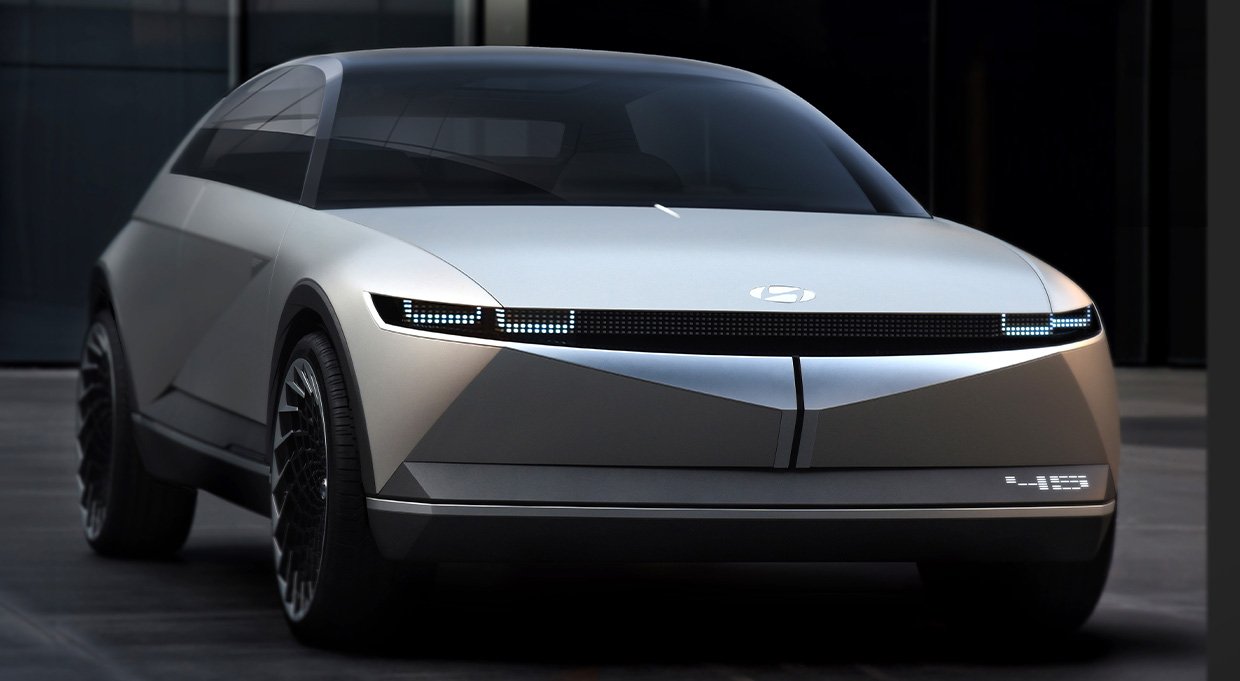
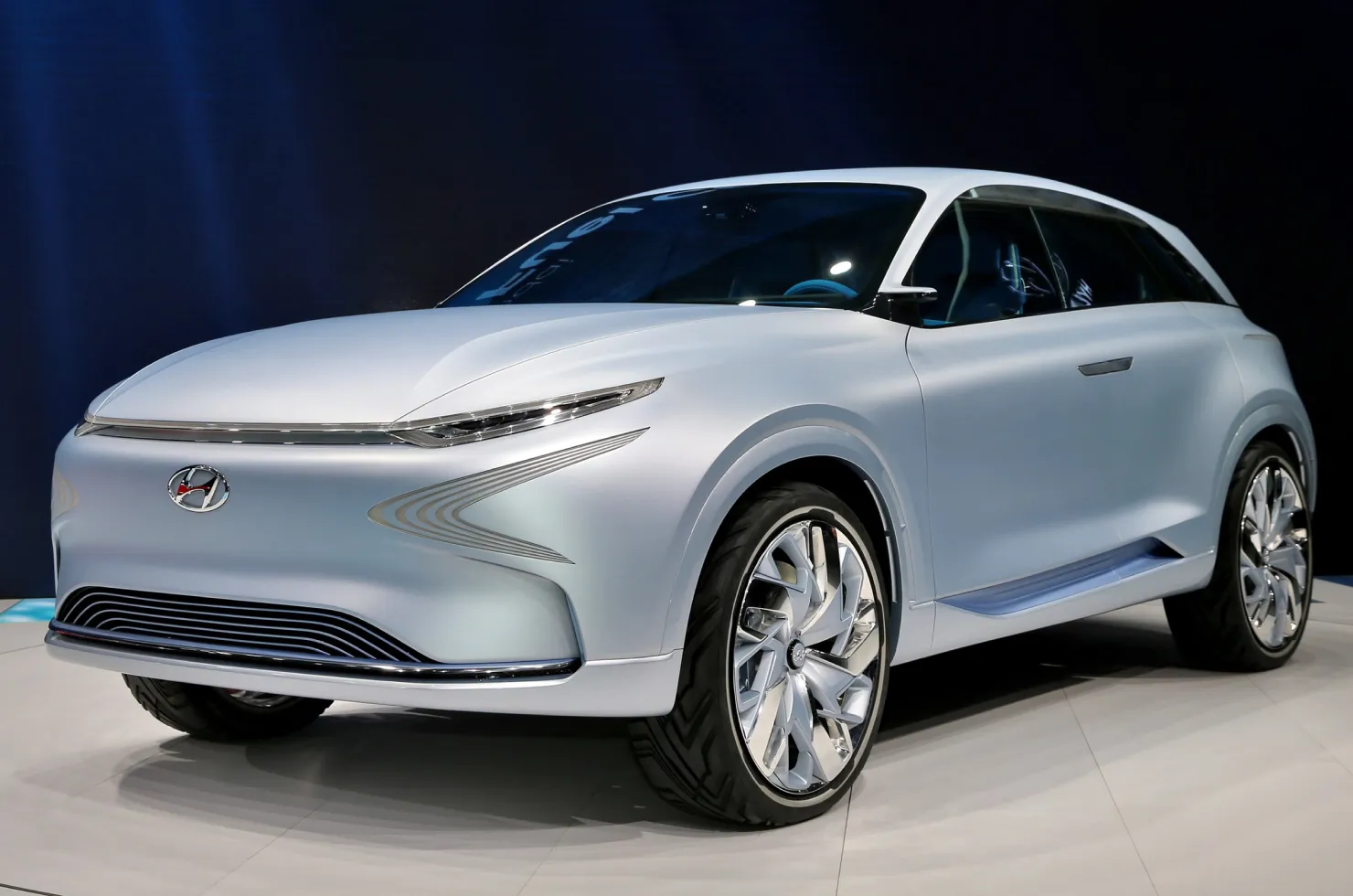
Fuel Average Cars Pakistan

Future of Electric Vehicles in Pakistan 2025–2035

Future of Electric Vehicles in Pakistan

Electric vehicles gained attention across Pakistan in 2025. The country sees a strong shift in consumer interest. Many families explore new choices in car technology. Younger drivers study global EV trends. Local automakers plan new ideas. International brands watch the Pakistani car market with growing interest. The future of electric vehicles in Pakistan looks promising. The industry grows with new demand, new energy policies, new incentives, and new possibilities.

People want clean transportation. Car pollution grows in major cities. EVs offer clean mobility. Drivers like the idea of zero tailpipe emissions. Eco-friendly cars in Pakistan attract new buyers. The electric vehicle battery becomes a major topic. The public asks questions. They study battery life, charging speed, and battery cost. The future trends look strong because the conversation grows every day.

Future of Electric Vehicles in Pakistan 2025–2035


EV Demand and Public Awareness

Public awareness grows steadily. Car engine technology shifts faster than before. People learn about electric cars through social media, local news, and new showrooms. Car culture in Pakistan shows interest in innovation. Families want safer options. They want lower running costs. Hybrid vehicles and electric cars deliver real value. Fuel efficiency plays a major role in daily decisions. Fuel prices often rise. EV owners avoid regular petrol bills.

Drivers compare electric cars with traditional cars. Many look at the internal combustion engine and think about long-term cost. The idea of engine oil, filters, and many car parts feels outdated to a new generation. EVs reduce the need for constant service. Car maintenance in Pakistan moves toward a new structure. Workshops prepare for new tools and new skills. Automotive engineering enters a strong growth phase.


EV Charging Infrastructure in Pakistan

The future of electric vehicles in Pakistan depends on charging stations. Pakistan already sees slow growth in EV charging networks. Large cities like Karachi, Lahore, and Islamabad receive new charging units. Drivers need confidence. They need access to charging points where they live, work, and travel. Car technology demands a strong infrastructure.

Energy companies invest in new projects. Private companies place chargers in malls and offices. EV users want fast charging. Many EVs support DC fast charging. Car innovation grows every month. That growth pushes infrastructure companies to improve. Vehicle connectivity lets drivers monitor charging through mobile apps. AI in cars supports battery optimization. Smart car features update drivers on charging levels and power usage.

Engineers test new charging equipment. Automotive technology in Pakistan evolves. Car manufacturing in Pakistan may soon include EV components. The government shows interest in clean mobility. Incentives attract new investors. The energy sector prepares for more demand because EV charging increases power consumption.


EV Models in the Pakistani Market

Pakistan welcomes new electric cars in 2025. Chinese brands introduce compact EVs. Some offer affordable prices. People love this diversity. The market includes sedans, hatchbacks, and SUV EVs. Tesla cars gain interest through global content. Many Pakistanis wait for the official Tesla entry. European brands show interest because the Pakistani automotive industry is expanding slowly.

Car design plays an important role. EVs look modern. They use smooth lines, smart aerodynamics, and efficient shapes. Car aerodynamics improves range. Families buy EVs for daily school routes. Young professionals buy EVs for office commutes. Car performance improves with each new release. Electric motors provide strong torque. Drivers feel quick acceleration. Car engine noise disappears in EVs. Silence improves the driving experience.

Manufacturers focus on battery quality. The electric vehicle battery determines range. People want a range of above 300 km. Many buyers study battery health. Car technology offers advanced battery management systems. EVs give real-time information. Vehicle connectivity shows battery temperature, voltage, and range. These features build trust in EV technology.


Economic Benefits of Electric Vehicles

The economic value of EVs motivates many Pakistanis. The cost per kilometer remains low compared to petrol or diesel. Fuel economy improves because electricity costs less. Many drivers enjoy predictable expenses. EVs cut running costs because electric motors need fewer parts. Car parts for EVs remain simple. The car engine in EVs uses a rotor and a stator, not pistons. No spark plugs. No exhaust. No transmission fluid. Families save money.

The automotive industry in Pakistan grows with new opportunities. Tech companies join EV projects. Engineers learn new skills. Car innovation in Pakistan creates new jobs. Charging station installation generates employment. EV manufacturing can start in Pakistan with local assembly. Government incentives encourage new investors. EV battery recycling also creates opportunities.

Pakistan imports a large amount of fuel. EV growth can reduce this burden. The economy gains strength. Consumers save money. Businesses grow. The future of electric vehicles in Pakistan creates a long chain of opportunities.


Impact on the Environment

Electric cars reduce tailpipe emissions. Air quality improves with more EV adoption. Cities like Lahore and Karachi struggle with smog. EV adoption can reduce pollution. Eco-friendly cars in Pakistan help fight climate issues. Hybrids also support cleaner transportation. Pakistan faces rising temperatures. The country needs sustainable mobility.

Families understand environmental responsibility. Many parents teach their children about clean energy. Schools discuss EVs in education programs. Electric vehicles create awareness in society. People discuss solar energy, battery storage, and new power systems. Pakistan holds real potential for green transportation. Car culture in Pakistan slowly shifts toward sustainability.


Battery Technology and Future Trends

The electric vehicle battery leads all EV discussions. Engineers study lithium-ion cells. They explore solid-state batteries. These batteries promise longer life and shorter charging time. The automotive technology Pakistan market follows global trends.

Battery cost drops every year. EVs become more affordable. Car prices for EVs fall as new suppliers enter the market. Car manufacturing may include local battery assembly. The future of cars in Pakistan is connected with advanced energy systems. Car innovation grows with AI features. AI monitors battery temperature. AI predicts wear patterns. AI supports battery cooling. This tech increases safety.

Drivers demand long-lasting batteries. Many want a 500 km range. Engineers push innovation. Automotive engineering in Pakistan prepares future talent. EV adoption drives new training programs. Universities study EV systems. Research centers work on renewable energy projects.

Battery swapping may enter the market. Several countries already use swapping stations. Drivers replace empty batteries with full ones. EV owners save time. This idea may work in dense Pakistani cities.


Government Policies and EV Adoption

Government interest grows. Pakistan plans several EV policies. These policies support tax reductions and incentives for EV buyers. Import duty breaks encourage new imports. Lower registration fees attract more families. The future of electric vehicles in Pakistan depends on strong policy action.

Governments worldwide support green mobility. Pakistan follows this pattern. EV projects reduce fuel import pressure. Policy changes support investment in local assembly plants. That investment improves car manufacturing in Pakistan. Local plants create jobs. The Pakistani automotive industry evolves with EV growth.

Traffic authorities encourage EV adoption. Some cities plan dedicated EV parking. EV drivers may receive charging benefits. This environment motivates new buyers.


Challenges for EV Adoption in Pakistan

Pakistan faces many EV challenges. Charging infrastructure remains small. Drivers want more public chargers. The power grid needs upgrades. Many cities face power shortages. EV charging requires stable electricity.

Battery cost remains high. Many families struggle with high upfront prices. EVs require investment. Financing options remain limited. Banks rarely offer EV-focused loans. The second-hand EV market remains small. Buyers want secure resale value. People hesitate because they fear battery degradation.

Workshops lack EV expertise. Mechanics need new training. The automotive industry in Pakistan must prepare technicians. EV education moves slowly. People want better warranty coverage. Drivers worry about battery replacement costs.

Pakistan also faces weather challenges. Extreme heat affects battery temperature. Engineers test cooling systems. Car technology improves. EVs in Pakistan need strong battery cooling to survive hot summers.


Role of Local Brands and Global Manufacturers

Global brands explore the Pakistani EV market. Chinese EV brands lead early entry. Some companies plan assembly plants. European manufacturers watch Pakistan with interest. Tesla cars attract attention through global hype. Many Pakistanis admire Tesla’s design and technology. Tesla offers smart car features, strong vehicle connectivity, and strong car performance.

Local brands join this shift. New EV startups emerge. Pakistan sees new small electric vehicles for city use. Motorbike EVs multiply across cities. Families consider these cheaper alternatives. EV scooters and EV bikes are becoming common. They reduce fuel expenses. They support clean mobility.

Pakistan can become a regional EV hub. Engineers, developers, and energy companies see opportunity. Automotive engineering in Pakistan grows. The market creates new technology zones. The government encourages innovation. Car manufacturing in Pakistan may see new EV plants soon.


EV Safety and Reliability

Electric vehicles follow strict safety standards. EV batteries use thermal management systems. AI in cars monitors overheating. Drivers feel secure. EV bodies use reinforced structures. Vehicle safety systems include airbags, ABS, and traction control. Car design protects passengers.

Families need confidence. Reliability shapes EV success. EV motors last long because they use simple parts. No complex mechanical components. Less wear. EVs deliver long-term stability. EV owners enjoy smooth driving. The silence feels refreshing. Car performance in Pakistan improves with electric torque. Drivers feel instant acceleration.

Safety features grow with each new EV model. Smart sensors assist drivers. Parking sensors help in tight spaces. Cameras show blind spots. EVs feel safer for families with children.


EV Integration with Renewable Energy

Pakistan holds strong potential for solar and wind energy. Many homes install solar panels. EV owners can charge with solar power. This method reduces electricity cost. Solar energy supports clean charging. The future of electric vehicles in Pakistan is directly with renewable energy.

Drivers install home chargers with solar inverters. They charge during the day. They store power in batteries. This ecosystem reduces reliance on the national grid. Families enjoy complete clean mobility.

Businesses install solar charging stations. Malls run EV chargers on hybrid energy. Car technology in Pakistan moves toward smart charging. AI predicts the best charging time. Smart grids distribute energy more efficiently.


EV Influence on Future Car Culture

Car culture in Pakistan evolves. Younger drivers love futuristic cars. They admire modern car design. They value vehicle connectivity. They look for smart car features. They prioritize eco-friendly cars. EVs match their mindset.

Social media boosts EV popularity. People share EV experiences on TikTok, YouTube, and Instagram. Reviews highlight silent driving. Influencers test EV acceleration. Families watch this content before buying.

The future of cars in Pakistan looks modern. Electric cars change driving habits. People drive with careful planning. They study range, charging time, and battery health. This awareness grows into a strong EV culture.


EV Performance and Driving Experience

Electric motors deliver instant torque. Drivers enjoy fast response. Many EVs beat traditional cars in acceleration. Sports EVs dominate performance charts. Car performance in Pakistan enters a new era.

Drivers enjoy smooth rides. No gear shifts. No engine vibration. No engine noise. AI in cars controls power distribution. Car aerodynamics helps EVs maintain range at high speeds.

Families like simple controls. EVs use touchscreens. Steering feels responsive. Braking feels controlled because EVs use regenerative braking. This system recovers energy. The EV charges while slowing down. Drivers enjoy better efficiency. Car technology in Pakistan adapts quickly.


Future of EV Manufacturing and Local Industry Growth

Pakistan has strong potential for EV manufacturing. Local companies discuss assembly plans. Investment groups explore joint ventures. The automotive industry in Pakistan prepares for a major shift. EV parts like motors, inverters, chargers, and batteries can enter local production lines.

Local universities develop EV research labs. Students learn battery science, electric motors, and control systems. Engineers design EV platforms. Automotive engineering in Pakistan builds capacity.

Local factories may produce compact EVs for cities. Pakistan can reduce import dependency. The economy grows. EV manufacturing creates jobs. Car manufacturing in Pakistan becomes competitive.


Long-Term EV Forecast for Pakistan

Electric vehicles will grow in Pakistan. Many experts predict large EV adoption in the next decade. EV prices will drop. Charging infrastructure will grow. Battery quality will improve. Range will increase.

Families will prefer EVs over traditional cars. Petrol costs will push more buyers toward EVs. Cities will get cleaner. Electric buses will join public transport. Electric bikes and scooters will cover short trips.

Automotive technology in Pakistan will become advanced. More AI features will enter EVs. Driver assistance systems will become common. Vehicle connectivity will become a standard feature. Car innovation in Pakistan will attract global investors.

The future of electric vehicles in Pakistan shows strong potential. The country stands at a major turning point. EVs will change transportation. EVs will reshape the economy. EVs will influence car culture.

Electric Vehicles in Pakistan