Luxury Resale Redefined: The Luxury Closet Qatar – Your Guide

The Luxury Closet, with a focus on its operations in Qatar, the broader MENA luxury-resale market, and key things shoppers should know.

1. Brand Overview

The Luxury Closet is a Dubai-based luxury-resale platform that has expanded across the MENA region, including Qatar. It offers both pre-owned and new designer pieces from major labels, and also enables users to sell their items via consignment.
Key points:

  • The platform claims to list over 16,000 items across bags, watches, jewellery, and accessories. الكوبون – أكواد خصم المتاجر في قطر+1

  • Items are authenticated, which is a critical value proposition in luxury resale.

  • The company also launched a “Celebrities’ Closets” initiative in 2025 to bring high-profile influencer wardrobes onto the resale platform. Arabian Business
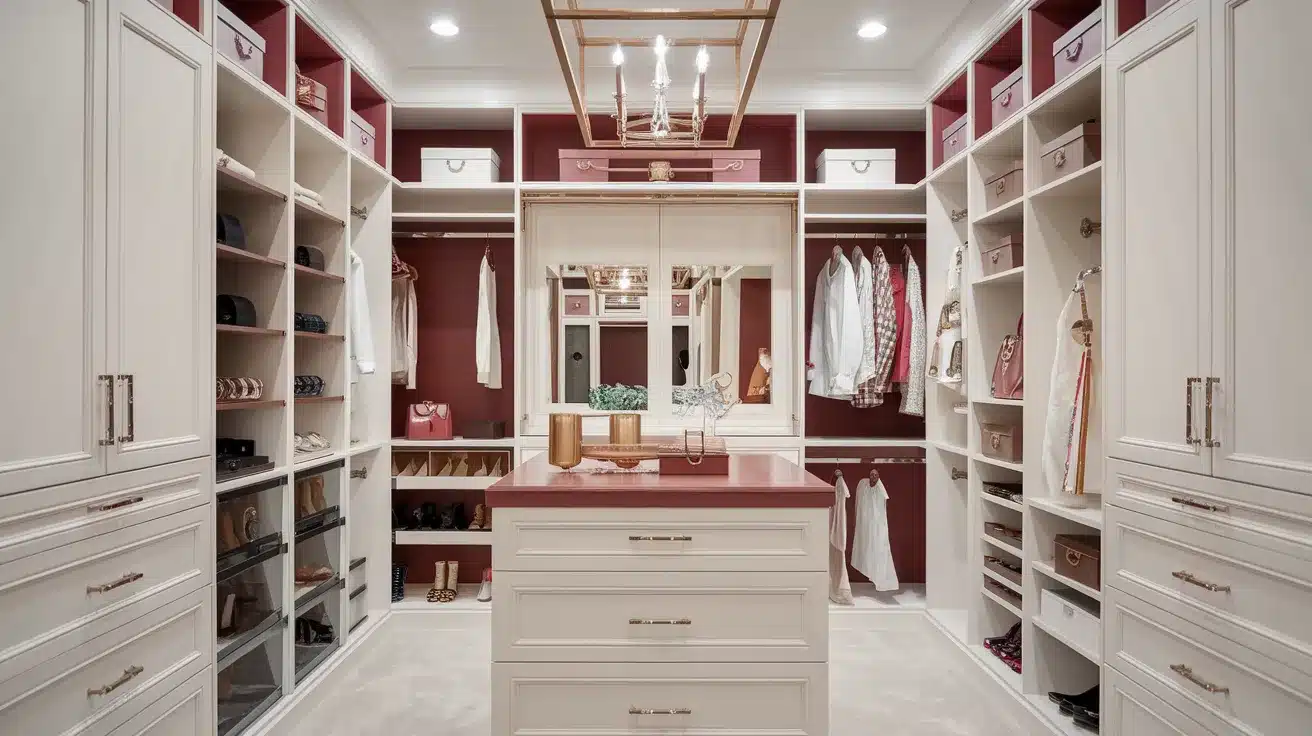
Luxury Resale Redefined: The Luxury Closet Qatar – Your Guide


2. What Makes It Attractive in Qatar

For luxury-fashion consumers in Qatar, The Luxury Closet offers several advantages:

  • Access to premium labels (Louis Vuitton, Chanel, Rolex, etc) via one platform. كوبون عربي قطر+1

  • Ability to buy and sell items: users can list luxury goods for resale with relatively low commissions. الكوبون – أكواد خصم المتاجر في قطر+1

  • Competitive deals and regional promos: up to 30 % off in some sales. Qyubic.com+1

  • Convenient online shopping and delivery within the Gulf Cooperation Council (GCC) region, often with quicker shipping for Gulf customers. الكوبون – أكواد خصم المتاجر في قطر+1


3. How It Works: Buying & Selling

Buying:

  • Browse listings of authenticated luxury items, each detailed with condition, brand, model, and photos.

  • Checkout through secure payment methods; for Qatar GCC customers, additional customs/import duties may already be included.

  • Shipping options include regional courier services, with delivery times in the Gulf in the 2-4 day range in many cases. الكوبون – أكواد خصم المتاجر في قطر+1

Selling (Consignment):

  • Owners of luxury items can submit pieces for resale; items are verified, authenticated, and listed online.

  • The seller receives a portion of the final sale price after commission and fees.

  • This creates a circular fashion economy where used luxury items find new owners.


4. Key Advantages & Value Propositions

  • Authenticity Guarantee: Helps reduce the risk of counterfeit items in the pre-loved luxury market.

  • Access to Hard-to-Find Pieces: Celebrity closets initiatives and rare items expand value for collectors.

  • Better Pricing: Compared to buying all-new luxury items, resale can offer value savings while still offering premium labels.

  • Sustainability Angle: Resale supports reuse and sustainability in fashion luxury.

  • Convenience for Qatari Buyers: Regional shipping, GCC-friendly policies, and local currency relevance.


5. Things to Watch / Consider

While the platform offers many benefits, there are a few considerations:

  • Customs & Import Duties: For international shipping outside GCC, buyers note that additional customs/import fees may apply. Reddit+1

  • Item Condition Matters: Even though authentication is claimed, buyers should check photos, condition grades, and return policy carefully. Some buyers on Reddit flagged issues. > “I bought a mini bag … but after I opened the box … I definitely see the colour isn’t right.” Reddit

  • Return & Refund Policies: Buyers should review how returns, shipping, and refund timelines are handled, especially for pre-owned items.

  • Market Resale Value: While luxury resale can offer value, the markup, condition, brand desirability, and timing all affect final value.

  • Shipping & Delivery Time: For GCC buyers, it may be fast; for other regions, shipping may take longer, and duties increase the total cost.


6. The Luxury Resale Market & Qatar Context

Qatar is part of a broader Middle East region where luxury resale is growing rapidly. The shift includes:

  • Consumers are becoming more brand-conscious, seeking value in premium labels.

  • Growth of online luxury resale marketplaces offering authentication and global reach.

  • Demand for both new and used luxury goods, including bags, watches, and premium fashion.

For Qatari shoppers, The Luxury Closet offers a bridge between global luxury labels and local consumption, providing a platform that combines international inventory, regional shipping, and resale functionality.


7. Final Thoughts

The Luxury Closet in Qatar stands out as a compelling platform for luxury buyers and sellers alike.
If you’re a buyer, you gain access to premium designer items, potential savings vs brand-new, and the convenience of regional online checkout.
If you’re a seller, you can monetize luxury goods sitting unused, with the benefit of authenticity and exposure to a broad luxury-resale customer base.

To make the most of the platform:

  • Check item photos and condition closely.

  • Confirm shipping cost, duties, and return policy.

  • Consider the total cost versus brand new pricing and local availability.

  • Use promotions and discount codes when possible (e.g., up to 30% off) to maximize value.

In summary, for luxury-fashion consumers in Qatar looking for authentic, high-end.Items in the resale segment, The Luxury Closet offers a smart and modern option. Would you like me to prepare a step-by-step buying guide for The Luxury Closet in Qatar (with checklists for condition, authentication, customs, etc.)?
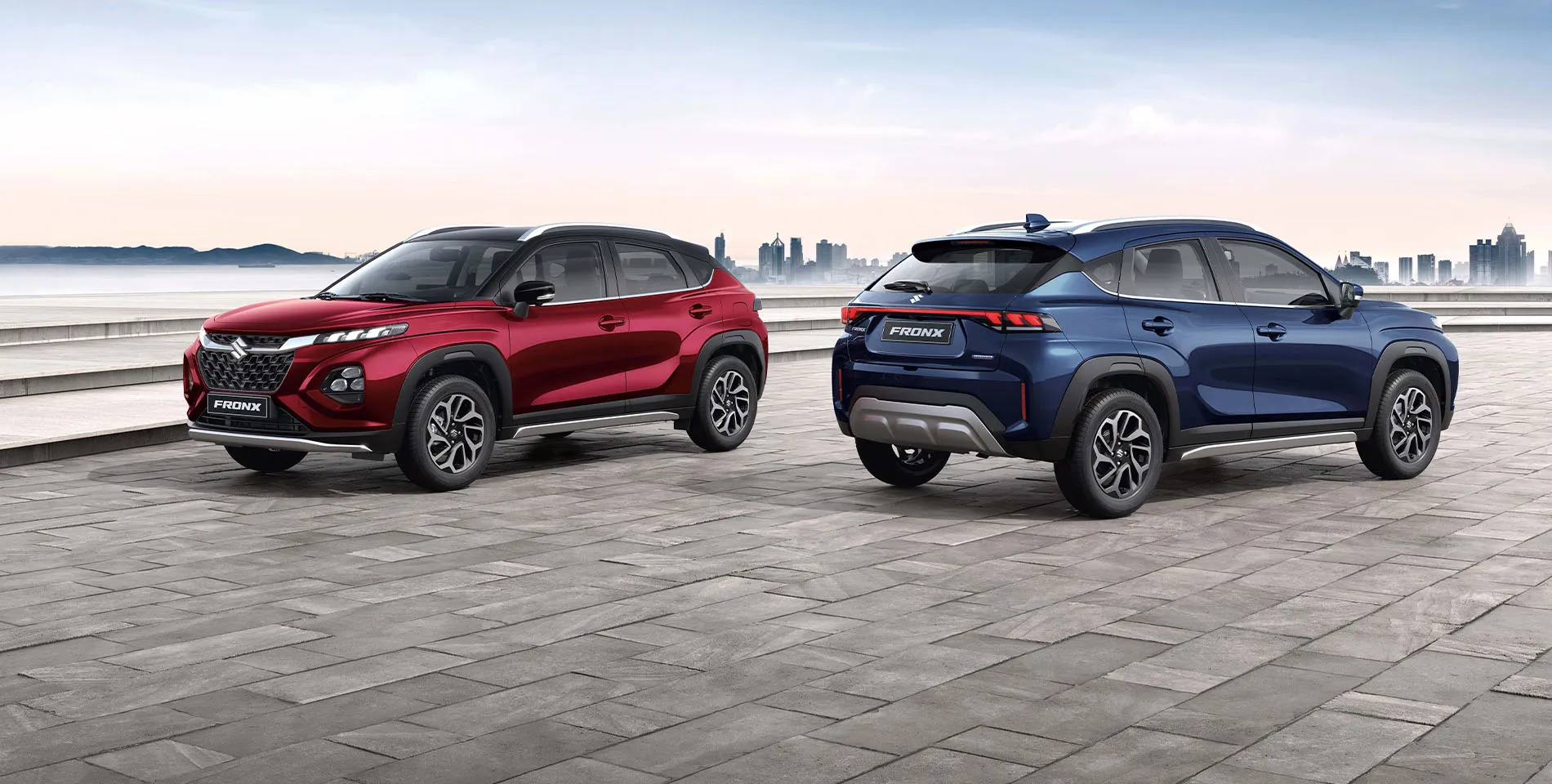
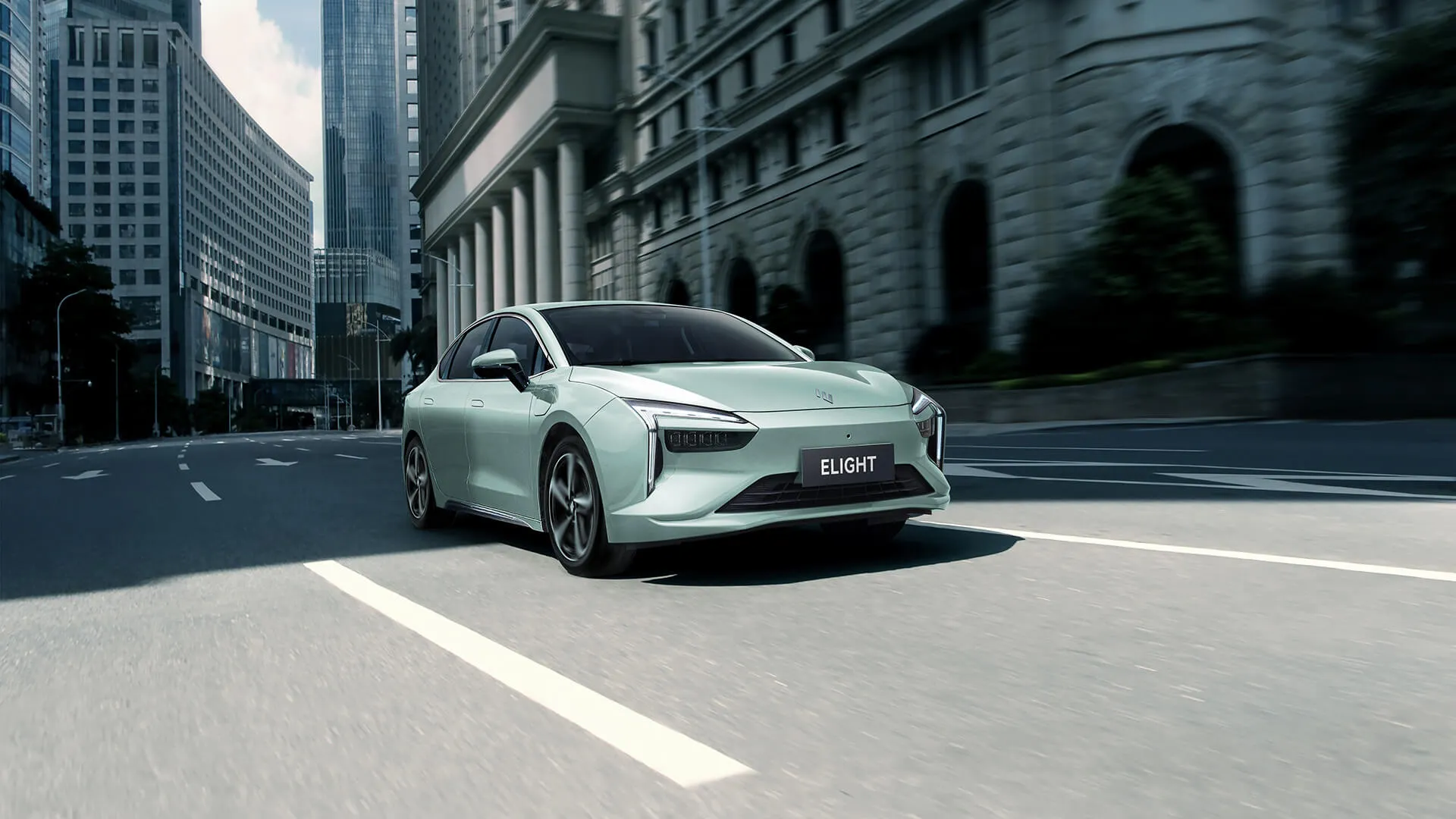
Luxury Resale Redefined

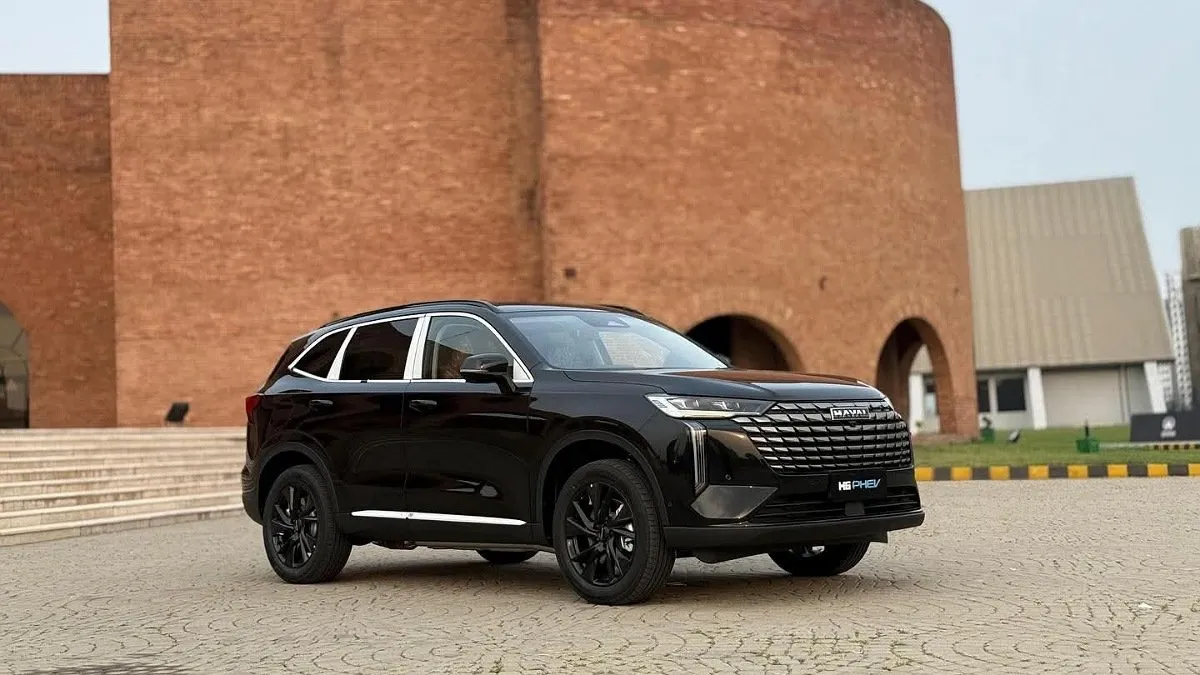
Electric and Hybrid Cars in Pakistan 2026

Electric and Hybrid Cars in Pakistan 2026 – The Revolution of Smart Mobility

Introduction – Pakistan’s Shift Toward Electric and Hybrid Mobility

The automobile landscape in Pakistan is undergoing a historic transformation. With rising fuel costs, government incentives, and global environmental awareness, electric and hybrid cars have become the center of innovation in the local market.

By 2026, Pakistan’s roads will witness a new era of sustainable driving, where electric and hybrid vehicles are no longer just luxury items — they’re becoming accessible to middle-class families and eco-conscious buyers alike.

This shift signifies more than just a change in powertrains; it’s a revolution in technology, efficiency, and design that is redefining how Pakistan drives.

  • Electric Vehicles in Pakistan

Electric and Hybrid Cars in Pakistan 2026
Electric Vehicles in Pakistan

1. The Growth of Electric Vehicle (EV) Market in Pakistan

Pakistan’s EV market has seen exponential growth since 2023. The government’s Electric Vehicle Policy provided tax reductions, lowered import duties, and encouraged local assembly.

Brands such as MG, BYD, Changan, and Audi have paved the way for electric mobility, while new entrants like ORA and Seres are preparing to introduce 2026 models that combine affordability with futuristic design.

Key Highlights of EV Market 2026:

  • Over 25,000 EVs are estimated to be on Pakistani roads.

  • 15+ public charging stations across major cities.

  • New battery recycling and service centers are under development.

  • Increased focus on locally assembled EVs to reduce import costs.

This growing ecosystem is setting the foundation for a sustainable automotive industry by 2030.


2. Hybrid Cars Leading the 2026 Trend

While electric cars are gaining momentum, hybrid vehicles continue to dominate due to their practicality and extended range. Brands like Toyota and Honda have long been trusted for their hybrid technology.

The Toyota Corolla Cross Hybrid, Honda Vezel e: HEV, and Toyota Crown Hybrid are among the top-performing models, offering power, style, and fuel savings.

Why Hybrids Still Matter:

  • Easy refueling with no range anxiety.

  • Fuel efficiency up to 25 km/L in city conditions.

  • Lower emissions compared to gasoline-only engines.

  • Smooth transition between electric and fuel-powered modes.

Pakistan’s hybrid segment is expected to remain strong through 2026, serving as the bridge between combustion engines and fully electric mobility.

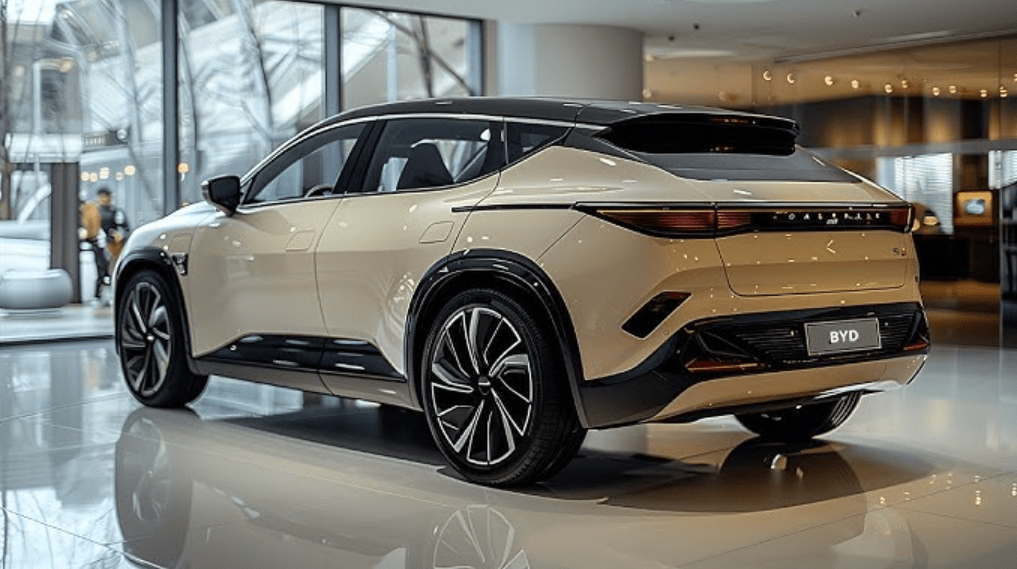
  • BYD Atto 3 Pakistan


3. Top Electric Car Models in Pakistan 2026

MG ZS EV (2026 Model)

The MG ZS EV remains Pakistan’s best-selling electric SUV. Its combination of affordability, performance, and comfort makes it a leader in the EV category.

  • Range: 420 km

  • Battery: 51.1 kWh lithium-ion

  • Charging: 30–80% in 40 minutes (fast charger)

  • Estimated Price: PKR 9.8 – 10.5 million

BYD Atto 3

The BYD Atto 3 represents the next level of innovation with its Blade Battery technology and cutting-edge design.

  • Range: 480 km

  • Power: 201 hp

  • Charging Time: 30–35 minutes (DC fast charging)

  • Estimated Price: PKR 11 – 12 million

Changan Lumin Electric SUV

Expected in late 2026, Changan Lumin will be one of the most affordable EVs in Pakistan.

  • Range: 300 km

  • Battery: 35 kWh

  • Estimated Price: PKR 6 – 7 million

Seres 3 EV

The Seres 3, introduced by DFSK, offers a stylish blend of performance and value.

  • Range: 405 km

  • Power: 160 hp

  • Battery: 52.7 kWh

  • Estimated Price: PKR 8.8 – 9.8 million

  • Toyota Corolla Cross Hybrid


4. Top Hybrid Car Models in Pakistan 2026

Toyota Corolla Cross Hybrid

The Corolla Cross Hybrid has become Pakistan’s most popular hybrid SUV, balancing performance and practicality.

  • Engine: 1.8L hybrid

  • Fuel Efficiency: 22–24 km/L

  • Transmission: eCVT

  • Estimated Price: PKR 10 – 11 million

Honda Vezel e:HEV (2026 Edition)

Known for its sleek design and advanced hybrid system, the Vezel e: H EV is a top choice for urban drivers.

  • Powertrain: 1.5L hybrid with dual motor assist

  • Fuel Efficiency: 24–26 km/L

  • Estimated Price: PKR 8.5 – 9.5 million

Toyota Prius 2026

The Toyota Prius, an icon in the hybrid world, continues its legacy with bold design and improved efficiency.

  • Fuel Economy: 28 km/L

  • Power: 194 hp combined system output

  • Estimated Price: PKR 12 – 13 million

  • Affordable EVs in Pakistan


5. Price and Range Comparison (2026)

Model Type Range / Fuel Efficiency Est. Price (PKR)
MG ZS EV Electric 420 km 9.8 – 10.5 million
BYD Atto 3 Electric 480 km 11 – 12 million
Changan Lumin Electric 300 km 6 – 7 million
Seres 3 Electric 405 km 8.8 – 9.8 million
Toyota Corolla Cross Hybrid 22–24 km/L 10 – 11 million
Honda Vezel e:HEV Hybrid 24–26 km/L 8.5 – 9.5 million
Toyota Prius Hybrid 28 km/L 12 – 13 million

The data clearly shows that hybrid cars offer superior fuel savings, while electric cars lead in zero-emission driving and advanced technology.


6. Innovations Powering the 2026 Auto Market

The 2026 lineup of electric and hybrid cars in Pakistan will showcase technological advancements never seen before:

  • Next-Gen Batteries: Longer life, faster charging, and higher safety.

  • AI-Powered Systems: Predictive maintenance and adaptive driving features.

  • Regenerative Braking: Energy recovery for enhanced efficiency.

  • Over-the-Air Updates: Software upgrades directly through car connectivity.

  • Smart Infotainment: Integration with mobile apps, navigation, and safety alerts.

These innovations reflect a global shift toward intelligent mobility, making Pakistan part of the worldwide EV revolution.

  • Future Cars 2026


7. Government Support and Local Manufacturing

The Pakistan Electric Vehicle Policy (2020–2030) continues to encourage:

  • Reduced import duties on EV parts and batteries.

  • Zero sales tax on locally assembled EVs (in certain categories).

  • Development of local battery recycling facilities.

  • Collaboration with Chinese and European manufacturers for local assembly.

Companies like MG Motors, Changan, and BYD are already considering local production of EVs and hybrids by 2026, which could significantly reduce prices and increase availability.


8. Challenges in Pakistan’s EV & Hybrid Ecosystem

Despite rapid progress, there are still obstacles to overcome:

  • High initial purchase price due to import taxes.

  • Limited charging stations outside major cities.

  • Public awareness gap about EV maintenance and charging.

  • Currency fluctuations are affecting vehicle costs.

Addressing these challenges will require continued public-private partnerships, infrastructure investment, and consistent policy support.


9. Consumer Trends – What Pakistani Drivers Want in 2026

According to market surveys, Pakistani car buyers in 2026 prioritize:

  1. Fuel and energy efficiency

  2. Low maintenance cost

  3. Stylish design with modern features

  4. Smart infotainment and safety systems

  5. Environmental sustainability

These preferences are pushing automakers to deliver more advanced yet affordable EVs and hybrids tailored for local needs.


10. Future Outlook – The Road Ahead for Pakistan’s Auto Industry

By the end of 2026, Pakistan’s electric and hybrid vehicle market is expected to grow by over 45%, marking a historic shift in consumer behavior.

Key predictions include:

  • Expansion of EV charging stations nationwide.

  • Entry of new EV brands such as ORA, NIO, and Hyundai IONIQ 6.

  • Rise of locally assembled hybrids by Toyota and Honda.

  • Greater affordability as competition increases.

Pakistan’s automotive future is heading toward a cleaner, smarter, and more connected ecosystem, with electric and hybrid technology at its core.


Conclusion – Driving Toward a Cleaner Future

The rise of Electric and Hybrid Cars in Pakistan in 2026 marks a major milestone in the country’s automotive evolution. From affordable electric SUVs to fuel-efficient hybrid sedans, Pakistani consumers now have more sustainable and technologically advanced choices than ever before.

While challenges remain, the combination of innovation, policy support, and consumer demand ensures that the EV and hybrid revolution is here to stay.

In 2026, Pakistan won’t just follow the global automotive trend — it will drive it forward, one electric mile at a time.

Hybrid Cars 2026 Pakistan

Luxury Cars in Pakistan 2025 – Top Brands, Models & Prices

Luxury Cars in Pakistan – The Evolving Taste of Premium Automotive Excellence

Introduction: The Rise of Luxury Cars in Pakistan

The automotive market in Pakistan is evolving rapidly, and the demand for luxury cars has reached an all-time high. With increasing purchasing power and global exposure, Pakistani buyers are turning to premium vehicles that combine comfort, technology, and class. Brands like Mercedes-Benz, BMW, Audi, Lexus, and Porsche are now more visible on Pakistani roads than ever before.

These luxury cars symbolize not only status but also a passion for innovation, performance, and design. From Karachi to Islamabad, the streets are witnessing a growing number of imported and locally supported high-end vehicles.

Luxury Cars in Pakistan 2025 – Top Brands, Models & Prices
Premium Vehicles in Pakistan

Top Luxury Car Brands in Pakistan

Pakistan’s premium automobile market offers an impressive range of brands. Let’s explore the most popular names dominating the luxury car segment:

1. Mercedes-Benz

Mercedes remains the pioneer of luxury cars in Pakistan. The brand is known for its S-Class, E-Class, and GLE models that offer unmatched sophistication, safety, and comfort. The price range typically starts from PKR 25 million and goes beyond PKR 70 million, depending on the variant and import duties.

2. BMW

The BMW 5 Series, X5, and 7 Series are among the top-selling luxury vehicles in Pakistan. BMW’s advanced driving features and premium interiors have made it a top choice for executives and entrepreneurs alike. The BMW X7 is especially popular for its bold design and elite comfort.

3. Audi

Audi Pakistan continues to capture the attention of the youth and professionals. The A6, A8, and Q7 models offer modern technology, stunning interiors, and fuel-efficient engines. The Audi e-tron, Pakistan’s first popular electric luxury SUV, has further strengthened the brand’s position.

4. Lexus

Lexus, the luxury division of Toyota, provides an ideal mix of reliability and elegance. Models like the Lexus RX, ES, and LX 570 are known for their smooth performance and luxurious appeal, often chosen by business leaders and diplomats.

5. Porsche

When it comes to sporty elegance, Porsche leads the way. The Cayenne and Panamera are seen as symbols of power and exclusivity in Pakistan. Though expensive, the demand for Porsche continues to grow among the elite class.

  • Best Luxury Cars 2025:


Luxury Car Prices in Pakistan

The price of luxury cars in Pakistan varies depending on the make, model, and import taxes. As of 2025:

Brand Model Approx. Price (PKR)
Mercedes-Benz S-Class 70,000,000+
BMW X7 65,000,000+
Audi e-tron 50,000,000+
Lexus LX 570 75,000,000+
Porsche Cayenne 80,000,000+

Note: Prices fluctuate based on customs duties, exchange rates, and model specifications.


The Growing Trend of Electric and Hybrid Luxury Cars

Pakistan’s auto market is now witnessing a shift toward electric and hybrid luxury vehicles. With increasing fuel costs and environmental concerns, buyers are showing interest in eco-friendly models like:

  • Audi e-tron

  • BMW iX

  • Mercedes EQS

  • Lexus UX Hybrid

These cars are reshaping the future of luxury transportation in the country by combining sustainability with performance.


Challenges in the Luxury Car Market

Despite its rapid growth, the luxury car industry in Pakistan faces certain challenges:

  • High import duties and taxes

  • Limited after-sales service and spare parts

  • Currency fluctuations are affecting prices

  • Inadequate infrastructure for electric vehicles

However, with new automotive policies and dealership expansions, the market outlook remains optimistic.


Why Pakistanis Love Luxury Cars

Luxury cars are more than vehicles — they’re an expression of success and lifestyle. Buyers in Pakistan prefer:

  • Comfortable interiors

  • Advanced infotainment systems

  • Powerful engines

  • Cutting-edge safety features

For many, owning a luxury vehicle like a Mercedes or BMW represents achievement and prestige.


Future of Luxury Cars in Pakistan

As Pakistan moves towards modernization, luxury car dealerships and imports are expected to grow significantly. Government incentives for electric and hybrid vehicles will attract global brands to invest locally. By 2030, Pakistan could see locally assembled premium cars, making luxury vehicles more accessible.


Conclusion

The market for luxury cars in Pakistan reflects the nation’s evolving lifestyle and economy. Whether it’s the elegance of Mercedes-Benz, the sporty feel of BMW, or the innovation of Audi, Pakistan’s auto enthusiasts have a growing appetite for premium mobility.

As technology advances and the nation embraces electric innovation, Pakistan is on the road to becoming a significant hub for luxury and performance automobiles.

Luxury Cars in Pakistan:

Top Electric Cars in 2026 – Performance Compared

Top Electric Cars in 2026 – Innovation, Range, and Performance Compared

Introduction – A New Era of Electric Mobility

The global automotive industry in 2026 is defined by electrification, sustainability, and innovation. Electric vehicles (EVs) are no longer a niche choice — they’ve become the center of automotive progress. Automakers like Tesla, BMW, Mercedes-Benz, Lucid, Hyundai, and Kia are setting new benchmarks for performance, range, and design.

In this guide, we compare the top electric cars of 2026, exploring their battery range, power, technology, and estimated prices, helping you choose the best EV for your lifestyle.

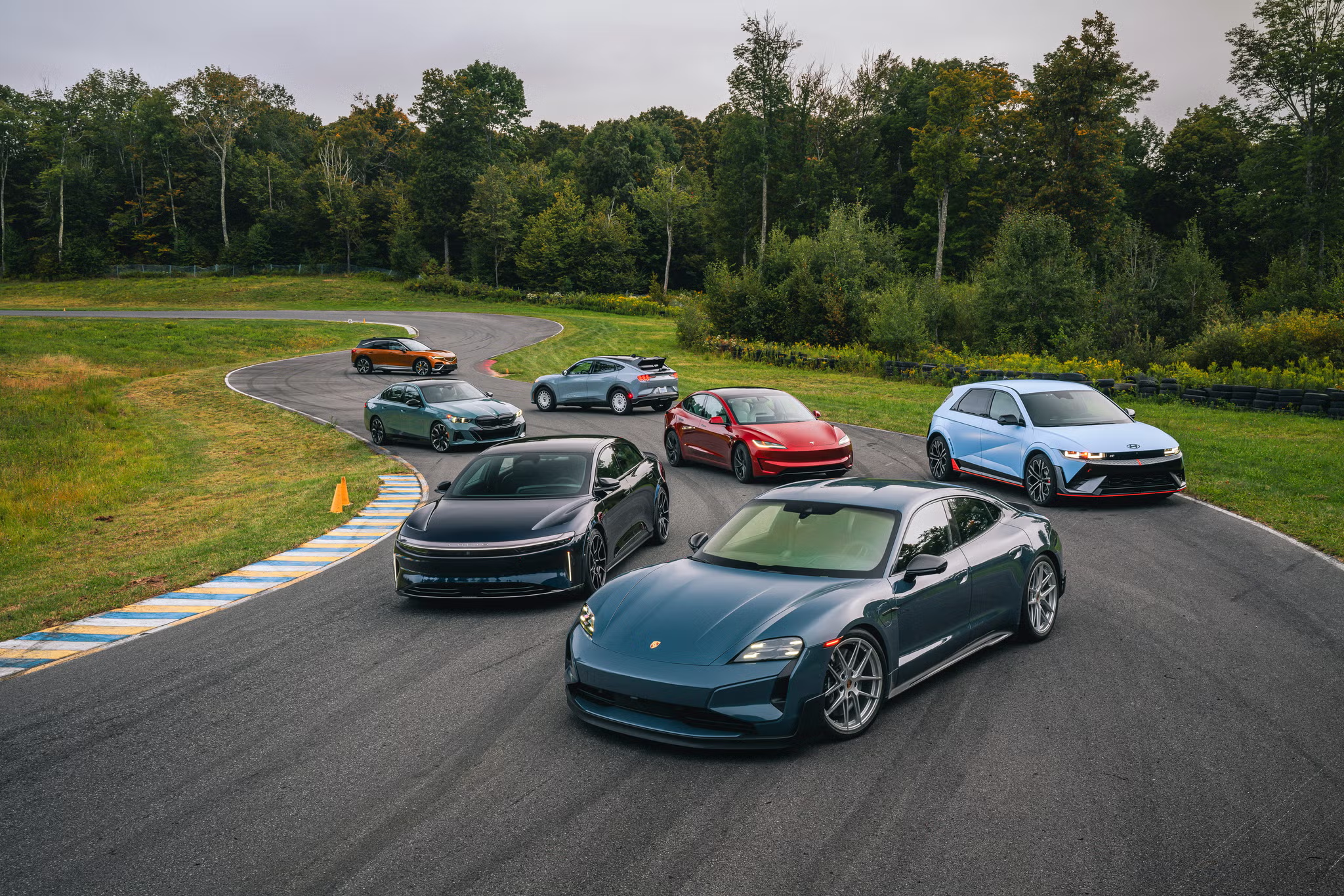
Top Electric Cars in 2026 – Performance Compared
Porsche Taycan

1. Tesla Model S Plaid+ (2026 Edition)

The Tesla Model S remains a symbol of innovation in the EV industry. The 2026 Model S Plaid+ enhances this legacy with cutting-edge upgrades.

  • Battery & Range: 120 kWh battery delivering up to 430 miles (690 km) per charge.

  • Performance: Dual-motor AWD, 0–100 km/h in just 1.99 seconds.

  • Interior: 17-inch touchscreen, yoke steering, and AI-based autopilot enhancements.

  • Price Estimate: Around $115,000 USD (≈ PKR 32 million).

Tesla continues to lead in autonomous driving and software updates, making the Model S Plaid+ a futuristic yet reliable option for luxury EV buyers.


2. Lucid Air Sapphire (2026)

Lucid Motors, known for redefining EV luxury, brings the Lucid Air Sapphire as a direct rival to Tesla.

  • Battery & Range: 118 kWh battery, range up to 520 miles (837 km).

  • Performance: Tri-motor system, 1,200 hp, 0–100 km/h in 1.9 seconds.

  • Interior: Opulent cabin with sustainable materials and a 34-inch curved glass display.

  • Price Estimate: $250,000 USD (≈ PKR 70 million).

Lucid’s aerodynamic design and fast-charging tech (up to 480 kW) set it apart as a benchmark in EV efficiency and comfort.


3. BMW i7 xDrive60 (2026 Model)

BMW’s flagship electric sedan, the i7, is a blend of elegance, performance, and digital innovation.

  • Battery & Range: 105 kWh pack, range of 390 miles (630 km).

  • Performance: Dual-motor setup producing 536 hp, AWD stability.

  • Interior: 31-inch 8K rear theatre screen, ambient lighting, executive lounge seats.

  • Price Estimate: $120,000 USD (≈ PKR 33 million).

The i7’s focus on luxury and craftsmanship makes it one of the most refined EVs of 2026, especially for those seeking both power and comfort.


4. Mercedes-Benz EQS 580 4MATIC (2026)

Mercedes continues its electric success with the EQS 580, combining silent luxury and digital precision.

  • Battery & Range: 118 kWh battery, 410 miles (660 km) of range.

  • Performance: Dual-motor 516 hp, 0–100 km/h in 4.3 seconds.

  • Interior: 56-inch Hyperscreen dashboard, advanced MBUX AI system.

  • Price Estimate: $145,000 USD (≈ PKR 40 million).

The EQS stands out for its exceptional build quality and aerodynamic efficiency, redefining how electric luxury sedans should feel.


5. Hyundai Ioniq 7 (2026)

Hyundai continues to dominate the mainstream EV segment with the Ioniq 7, a futuristic three-row SUV.

  • Battery & Range: 100 kWh battery with 350 miles (560 km) range.

  • Performance: Dual-motor AWD producing 380 hp.

  • Interior: Sustainable materials, smart panoramic roof, advanced driver assist.

  • Price Estimate: $75,000 USD (≈ PKR 21 million).

The Ioniq 7 offers family practicality with a luxurious touch, making it a top pick among electric SUVs in 2026.


6. Kia EV9 GT (2026)

The Kia EV9 GT is designed for adventure, technology, and space.

  • Battery & Range: 99.8 kWh battery with up to 370 miles (595 km) range.

  • Performance: 576 hp output, 0–100 km/h in 4.5 seconds.

  • Interior: Flexible seating, eco-friendly materials, 12.3-inch twin displays.

  • Price Estimate: $80,000 USD (≈ PKR 22.5 million).

With bold design and a strong presence, the EV9 GT ranks among the best electric SUVs for families and long drives.


7. Audi Q8 e-tron Quattro (2026)

Audi’s Q8 e-tron represents the next level of performance and precision engineering.

  • Battery & Range: 114 kWh pack, range of 450 miles (725 km).

  • Performance: 402 hp, 0–100 km/h in 5.4 seconds.

  • Interior: Virtual cockpit, luxurious finishes, adaptive air suspension.

  • Price Estimate: $95,000 USD (≈ PKR 26 million).

Audi’s focus on quality, comfort, and safety makes the Q8 e-tron an ideal premium electric SUV.


8. Porsche Taycan Turbo GT (2026)

The Porsche Taycan Turbo GT brings sports-car excitement into the electric world.

  • Battery & Range: 105 kWh battery, 350 miles (565 km) range.

  • Performance: 1,000 hp, 0–100 km/h in 2.4 seconds.

  • Interior: Driver-centric layout with digital cockpit.

  • Price Estimate: $220,000 USD (≈ PKR 61 million).

The Taycan GT proves electric cars can still deliver thrill and prestige, making it a favorite among performance enthusiasts.


9. Rivian R1S Adventure Edition (2026)

Rivian’s R1S Adventure Edition is built for explorers who want both performance and utility.

  • Battery & Range: 135 kWh battery, 400 miles (644 km) range.

  • Performance: Quad-motor system with 835 hp.

  • Interior: Durable yet premium materials for off-road comfort.

  • Price Estimate: $95,000 USD (≈ PKR 26 million).

The R1S combines rugged durability with electric sophistication, perfect for families that love adventure.


10. Nissan Ariya 2026 Prologue

Nissan’s 2026 Ariya builds upon its early EV expertise, focusing on accessibility and range.

  • Battery & Range: 90 kWh battery with 360 miles (580 km) range.

  • Performance: 389 hp AWD, smooth ride.

  • Interior: Minimalist design, ProPilot 2.0 autonomous drive system.

  • Price Estimate: $60,000 USD (≈ PKR 17 million).

The Ariya 2026 balances affordability, design, and practicality, making it an excellent option for first-time EV buyers.


Global Trends Defining Electric Cars in 2026

  1. Solid-State Batteries – Longer range, faster charging, and improved safety.

  2. AI-Driven Efficiency – Cars that adapt driving patterns for optimized energy use.

  3. Sustainable Manufacturing – Recycled materials and low-carbon production.

  4. Vehicle-to-Grid (V2G) Tech – Cars that can return energy to the grid.

  5. Autonomous Capability – Enhanced self-driving systems across premium EVs.

These trends are transforming how consumers view performance, reliability, and ownership.


Comparative Overview – Best by Category

Category Best Model (2026) Key Strength
Longest Range Lucid Air Sapphire 520 miles
Fastest EV Tesla Model S Plaid+ 0–100 km/h in 1.99 s
Best Luxury Mercedes EQS 580 Interior + Tech
Best SUV Kia EV9 GT Space + Design
Best Value Nissan Ariya Price + Practicality

Conclusion – The Future Is Fully Electric

The 2026 lineup of electric cars shows that the EV revolution is no longer coming — it’s here. From the luxurious Mercedes EQS and BMW i7 to performance beasts like the Tesla Plaid+ and Lucid Air Sapphire, automakers are proving that sustainability and speed can coexist.

Whether you seek range, design, or affordability, there’s an electric car in 2026 that matches your lifestyle. The automotive world is officially electric — and the road ahead looks bright, quiet, and powerful.

Rivian R1S