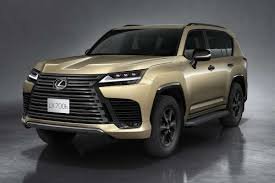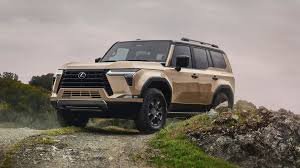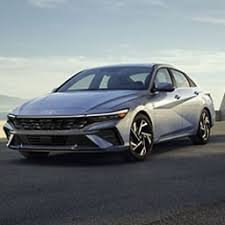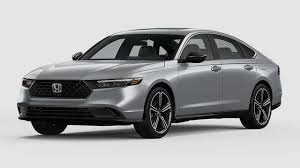
Best Cars for Long Routes in Pakistan 2025

Best Cars for Long Routes in Pakistan 2025

Long routes in Pakistan demand strong cars. Drivers face rough patches. Drivers cross long highways. Drivers travel through mountains. Drivers cover long distances with family. Pakistan holds mixed terrains. The country has hot weather. The country holds heavy traffic. Car performance becomes important. Engine power becomes crucial. Fuel efficiency becomes essential. Car maintenance becomes a priority. Long trips require reliable car brands. Car technology helps comfort. Car design impacts stability. Automotive engineering shapes the experience. Strong car parts protect the vehicle. Smart car features assist the driver. Vehicle safety systems protect families. The automotive industry grows. Car innovation increases. AI in cars enters new models. Used cars also support long travel. Drivers want comfort. Drivers want reliability. Drivers want stable handling.

Pakistani long routes include motorways. Pakistani long routes include northern roads. Pakistani long routes include highways between large cities. These routes need trusted cars. These routes need a stable suspension. These routes need powerful engines. These routes need fuel economy. Drivers value quiet cabins. Drivers value comfortable seats. Drivers value wide spaces. Drivers value strong road grip. The best cars for long routes in Pakistan 2025 offer comfort. They offer durability. They offer performance. They offer convenience. They offer strong value.
Best Cars for Long Routes in Pakistan 2025


Understanding Long Route Needs in Pakistan

Long routes in Pakistan demand strong engines. The internal combustion engine plays a major role. Hybrid vehicles are also gaining popularity. Fuel efficiency matters. Engine power supports climbing roads. Car stability supports fast highways. Car aerodynamics shape driving. Car design supports airflow. Vehicle connectivity helps navigation. AI in cars helps safety. Car technology supports comfort. Drivers track the weather. Drivers track fuel stations. Drivers track road conditions. A strong car helps in all conditions.

Families travel long distances. Large SUVs support them. Students travel between cities. Sedans support them. Travelers explore mountains. Strong SUVs support them. Car culture in Pakistan loves long road trips. Car innovation supports safety. Automotive engineering improves design. Eco-friendly cars offer clean travel. Tesla cars remain rare. Electric vehicle battery technology grows slowly. Hydrogen fuel cell cars stay out of reach.

Long routes demand:

Engine power
Fuel economy
Safety systems
Suspension strength
Car parts durability
Wide seating
Cargo space
Good brakes
Quiet cabin
Reliable transmission
Smart car features
Vehicle connectivity
Comfortable seats

Drivers value these features. Pakistani terrain challenges cars. Long drives need strong performance. Not every car fits. Only selected cars deliver.

Long Route Cars Pakistan


Top Best Cars for Long Routes in Pakistan 2025

Here are the strongest and most reliable cars for long routes across Pakistan. Each model supports comfort. Each model supports stability. Each model supports long-distance performance.

Best Long Route Cars 2025


1. Toyota Corolla

Toyota Corolla leads long routes in Pakistan. The internal combustion engine delivers strong power. Fuel efficiency helps with long drives. The sedan’s body handles smooth roads. Car maintenance stays simple. Car parts remain available everywhere. Car design supports stability. Car performance stays balanced. Drivers enjoy comfort.

Corolla seats feel supportive. Cabin stays quiet. The engine stays responsive. Long routes feel easy. Families trust this car. Professionals trust this car. Students trust this car. Corolla remains a top choice.

Fuel-efficient Long Route Cars


2. Honda Civic

Honda Civic delivers sharp performance. Engine power stays strong. The sporty design supports aerodynamics. Stability helps at high speeds. Fuel economy helps long-distance drivers. Car technology enhances comfort. Cabin feels refined. Car design supports airflow.

Civic grips the roads well. Steering feels accurate. Seats support the spine. Car innovation enhances the drive. Drivers enjoy long trips. Civic remains a favorite.

Cars For Highway Driving in Pakistan


3. Toyota Yaris

Toyota Yaris supports long-distance travel. Its fuel economy remains strong. Car maintenance stays low. Car parts stay available. The sedan offers stable handling. Car performance stays consistent. Drivers save money.

Yaris offers wide seating. The cabin feels comfortable. Drivers enjoy smooth acceleration. Long routes feel easy. Yaris fits families and students.

Best Sedan For Long Routes


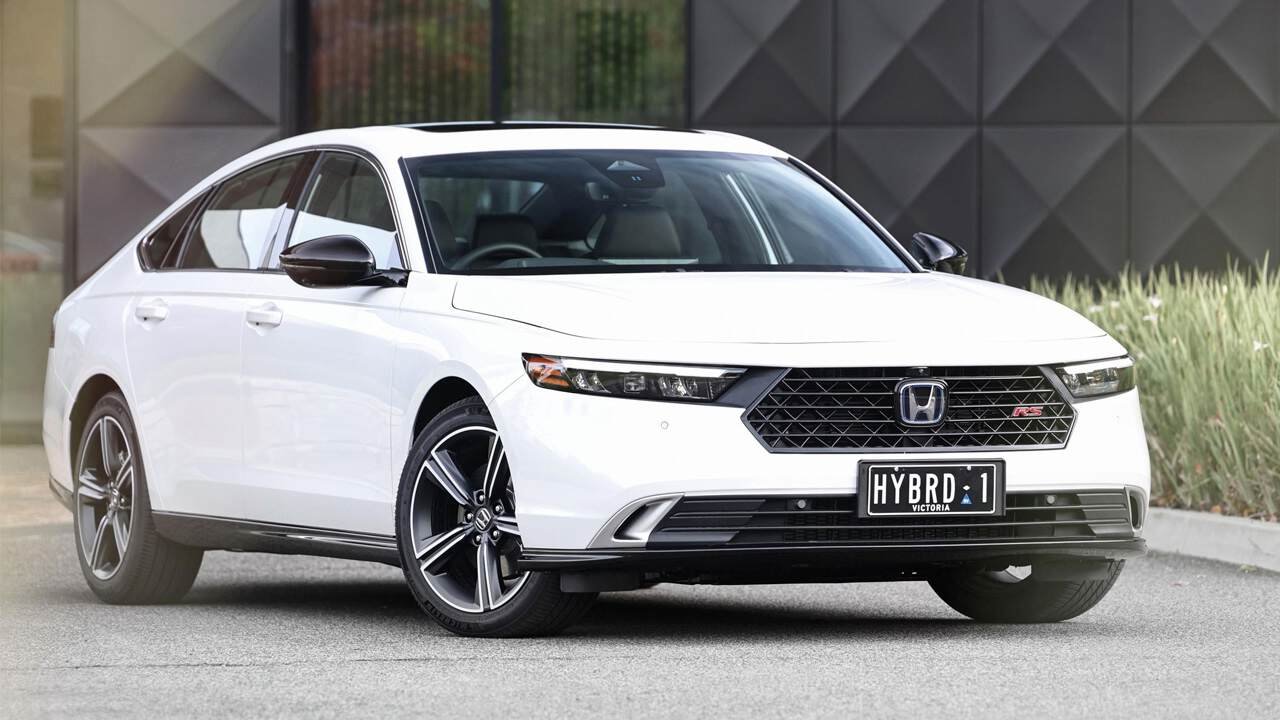
4. Honda City

Honda City supports highway trips. Engine power stays strong. Fuel economy helps for long travel. Car design supports aerodynamics. Car maintenance stays simple. Seats provide comfort. Cabin space feels wide.

City supports stability. Drivers enjoy smooth handling. Long trips feel comfortable. City suits families, travelers, and professionals.

Best SUV for Long Routes


5. Toyota Prius

Toyota Prius dominates fuel-efficient long drives. Hybrid vehicles attract long-distance travelers. Prius offers unmatched fuel economy. Electric motors help with acceleration. Car technology improves comfort. Car innovation supports eco-friendly cars.

Prius cabin feels quiet. Seats feel soft. Suspension remains stable. Long routes feel smooth. Prius suits families and eco-conscious drivers.

Reliable Long Drive Cars


6. Toyota Aqua

Toyota Aqua delivers strong hybrid efficiency. Long routes demand fuel savings. Aqua offers that. Engine performance stays reliable. Car technology enhances city and highway driving. Car maintenance costs stay low.

Aqua supports Pakistani long routes. The cabin feels comfortable. Drivers enjoy a quiet drive. Hybrid efficiency makes Aqua attractive.

Comfortable Cars Pakistan


7. Suzuki Swift

Suzuki Swift helps long drives with a strong engine response. Car design supports stability. Steering feels sharp. Car performance remains enjoyable. Drivers enjoy smooth suspension.

Swift offers a sporty cabin. Seats support long sessions. Fuel economy stays good. Young drivers enjoy Swift. Families also use Swift for long routes.

Toyota Corolla Long Route


8. Kia Sportage

Kia Sportage leads SUV demand in Pakistan. Long routes favor SUVs. Sportage offers strong engine power. SUV seating supports comfort. Car design offers a height advantage. Car technology offers safety systems. Car aerodynamics support a smooth drive.

Sportage grips roads well. Cabin feels premium. Cargo space supports long trips. Families love Sportage. Travelers trust it.

Honda Civic Long Route


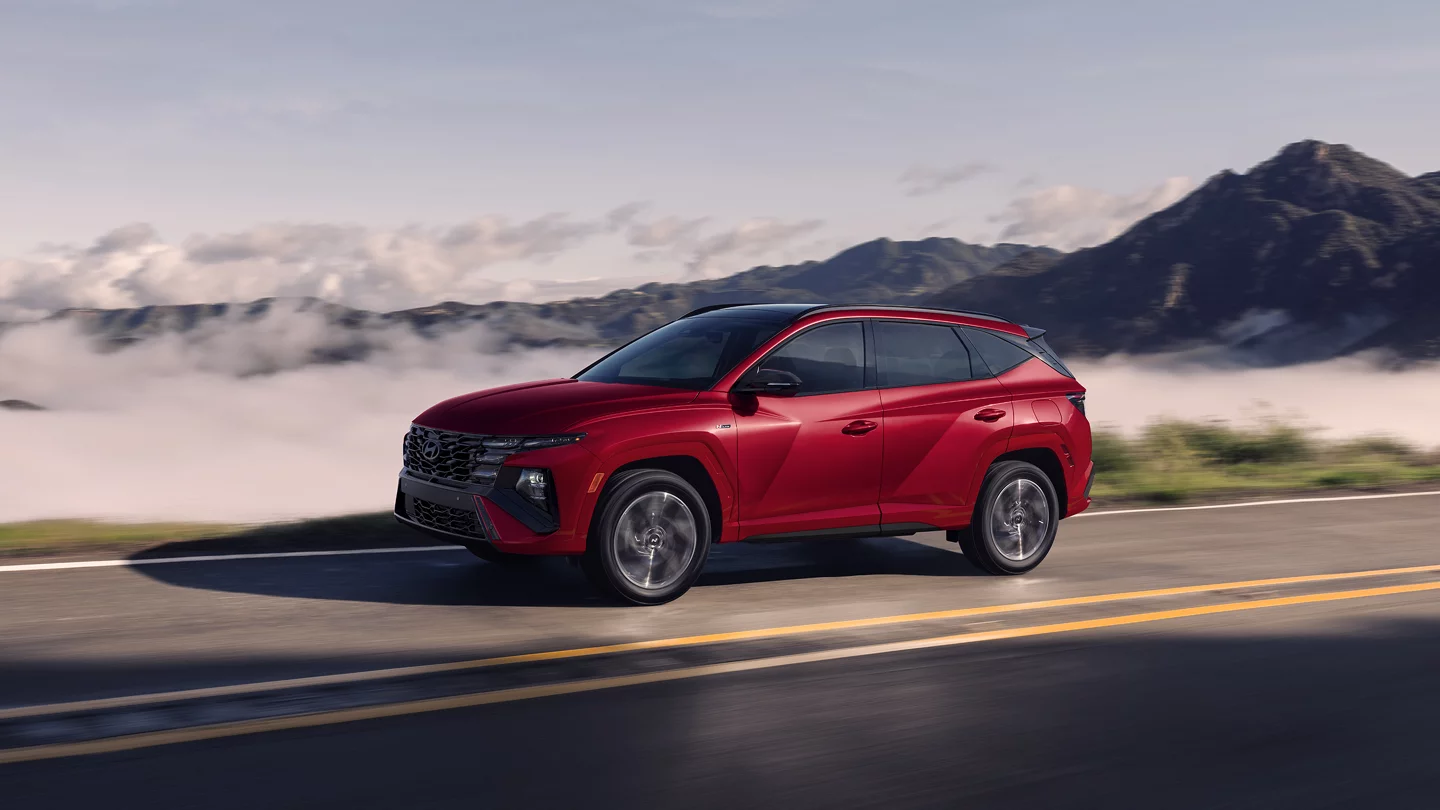
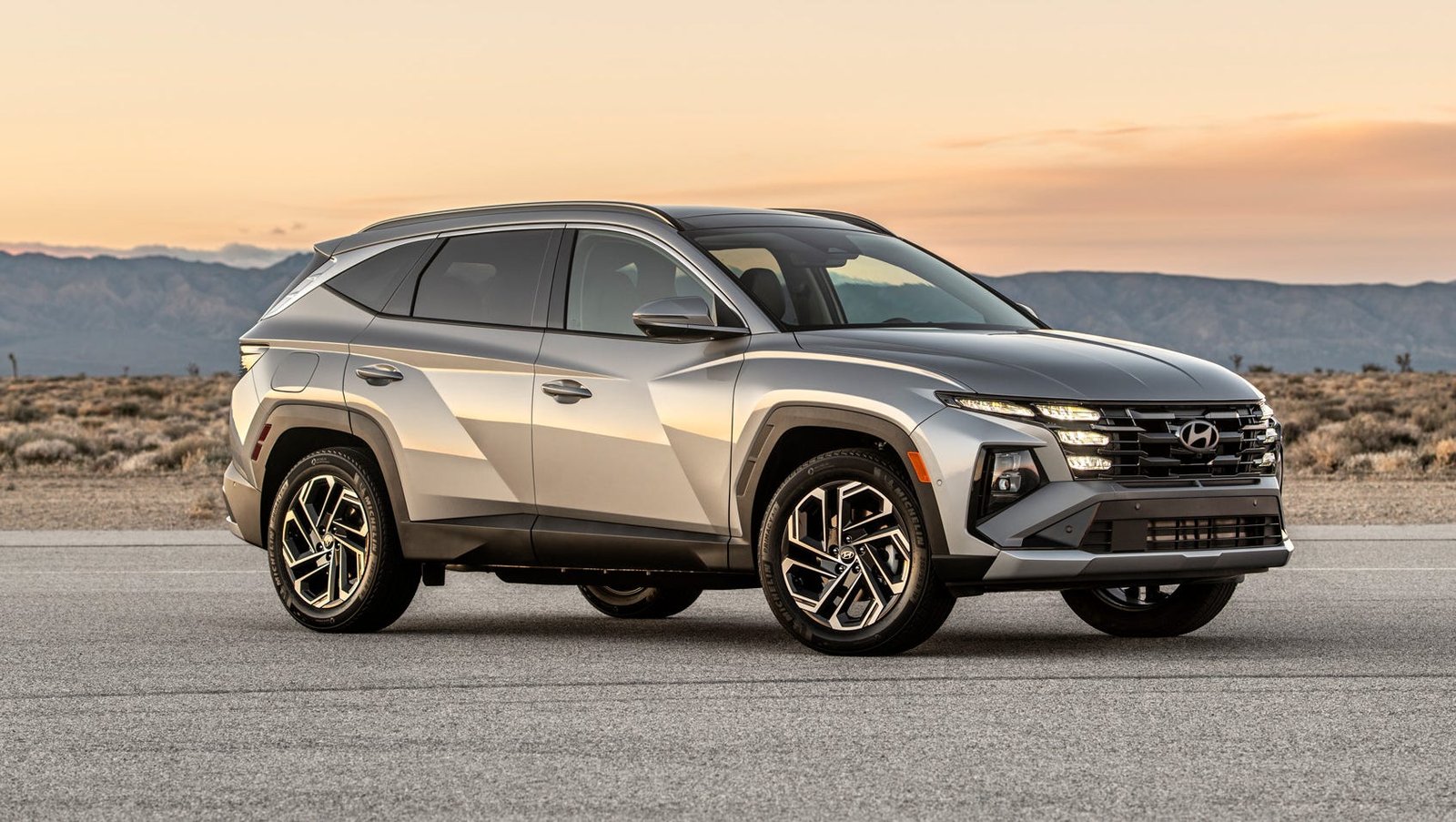
9. Hyundai Tucson

Hyundai Tucson sits beside the Sportage in popularity. Tucson offers powerful engines. SUV body handles tough Pakistani roads. Car innovation enhances comfort. Safety systems protect families. Engine power supports mountain routes.

Tucson offers a spacious cabin. The seats feel comfortable. Car performance stays strong. Tucson suits long family trips.

Toyota Yaris Long Route


10. Toyota Fortuner

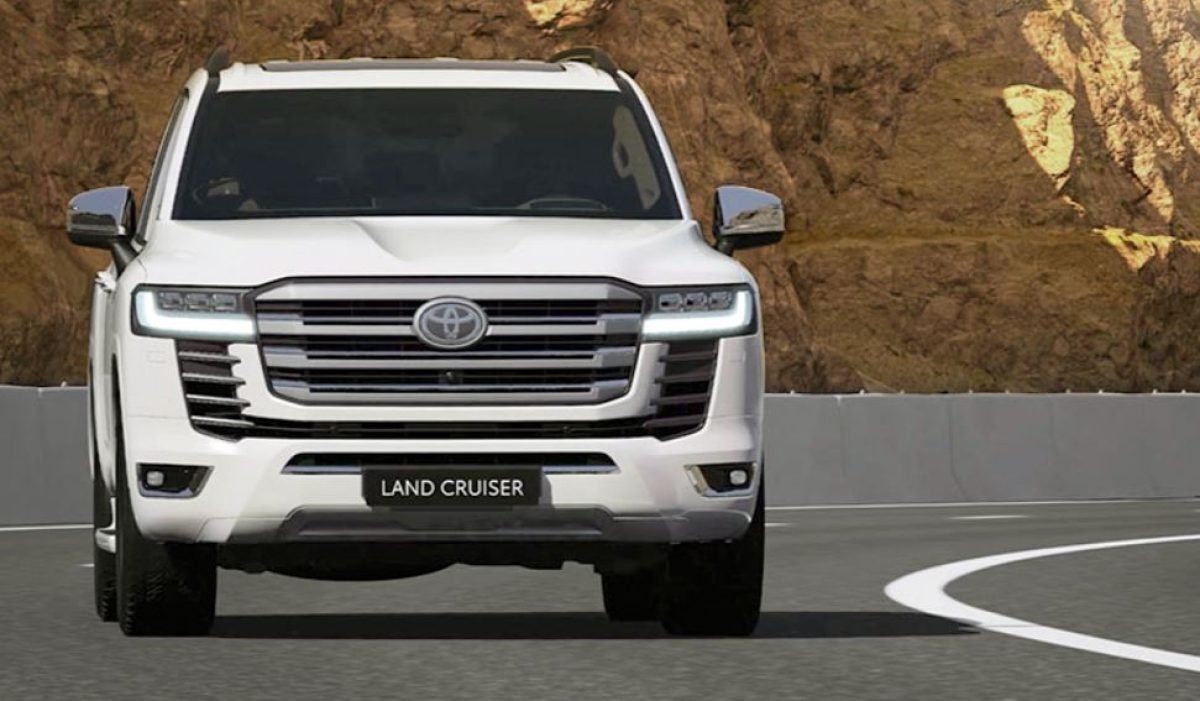
Toyota Fortuner dominates extreme long-route travel. Fortuner climbs mountains. Fortuner handles rough roads. Fortuner carries heavy loads. Engine power stays huge. Suspension absorbs shocks. Car performance stays superior.

Fortuner suits northern routes. Fortuner suits long family vacations. Fortuner suits adventure seekers.
Toyota Prius Long Route

Best Cars for Long Routes in Pakistan 2025


11. Honda BR-V

Honda BR-V supports large families. Long routes need space. BR-V offers that. Engine performance stays strong. Fuel efficiency supports long trips. Car design supports height advantage.

BR-V offers three-row seating. Luggage space remains big. Drivers enjoy comfort on long trips.


Why SUV Models Dominate Long Routes

SUVs shape long-distance travel in Pakistan. Strong engine power supports climbs. Large tires support rough roads. Suspension supports bumps. Cabin height helps visibility. Car technology helps safety. Vehicle connectivity helps navigation.

Families choose SUVs. Travelers choose SUVs. Adventure lovers choose SUVs. SUV culture grows in Pakistan.

Popular SUVs include:

Kia Sportage
Hyundai Tucson
Toyota Fortuner
Honda BR-V
Toyota Rush
MG HS

Each SUV delivers comfort. Each SUV supports long journeys.


Key Features Needed for Long Routes

Long routes require certain features. Drivers want safety. Drivers want comfort. Drivers want stability. Drivers want durability.

Key long-route features include:

Engine power
Fuel economy
Suspension strength
Vehicle safety systems
AI in cars
Car technology
Wide cabin
Soft seats
Large cargo space
Vehicle connectivity
Car aerodynamics
Reliable transmission
Reliable brakes
Strong headlights
Cooling AC system

These features protect travelers. These features support comfort. These features shape the experience.


Car Safety for Long Routes

Safety systems protect families. Long routes demand caution. High speeds demand safety. Curves demand control. Dark highways demand lights.

Key safety features include:

ABS braking
Traction control
Airbags
Lane assistance
Stability control
Blind spot monitoring
Parking sensors
Rear camera
Tire pressure monitoring

Drivers appreciate these features. Car brands improve safety every year. The automotive industry grows. Car innovation improves protection.


Fuel Efficiency on Long Routes

Fuel economy affects long travel. Drivers cover hundreds of kilometers. Efficiency saves money. Hybrid vehicles lead in efficiency. Internal combustion engine cars also perform well.

Toyota Aqua
Toyota Prius
Honda Fit Hybrid
Honda Grace Hybrid
Toyota Yaris
Toyota Corolla

Each car offers strong economy. Each car supports long travel. Pakistani fuel prices rise. Fuel economy gains value.


Comfort Requirements on Long Routes

Comfort becomes essential. Long sitting demands support. Families need space. Children need comfort. Luggage needs room.

Comfort features include:

Soft seats
Wide rear seating
Large trunk
Quiet cabin
Smooth suspension
Stable handling
Strong AC cooling

Drivers enjoy comfort. Families enjoy safe travel. Smooth travel shapes memories.


Car Performance on Highways

Highways need speed. Highways need stability. Highways need grip. Strong engine power helps with overtaking. Strong brakes help safety. Aerodynamics help stability.

Cars that excel:

Honda Civic
Toyota Corolla
Kia Sportage
Hyundai Tucson
Toyota Fortuner
Suzuki Swift

These cars stay stable. These cars stay strong.


Maintenance Importance for Long Route Cars

Car maintenance protects safety. Drivers check tires. Drivers check brakes. Drivers check oil. Drivers check the coolant. Car parts must stay healthy. Engine power depends on clean oil. Fuel economy depends on clean filters.

Long route maintenance requires:

Oil change
Brake service
Tire rotation
Filter cleaning
Battery check
Suspension check

Mechanics support drivers. Good maintenance ensures safety.

Car Performance Pakistan


Future of Long Route Travel in Pakistan

Pakistan’s automotive industry grows. Car innovation improves. AI in cars increases. Vehicle connectivity becomes normal. Eco-friendly cars gain value. Electric cars are slowly entering long routes. Hydrogen fuel cell cars remain a future dream.

Drivers still trust internal combustion engine cars. Drivers trust hybrid vehicles. Drivers trust SUVs. Used cars support the country. Long-route travel evolves. Comfort becomes vital. Safety becomes essential. Technology becomes important.

SUVs for Pakistan Roads


Conclusion

Long routes shape Pakistani travel. Drivers rely on strong cars. Families enjoy comfort. Students enjoy reliability. Travelers explore cities. SUVs lead mountain roads. Sedans lead highways. Hybrid vehicles lead to fuel savings. Car performance matters. Car design matters. Car technology matters. Engine power matters. Car maintenance protects journeys.

Pakistan’s long routes demand strong vehicles. The best cars for long routes in Pakistan 2025 deliver reliability. They deliver comfort. They deliver fuel efficiency. They deliver stability. These cars help families. These cars help travelers. These cars support every driver.
Hybrid Cars Long Travel

Most Fuel-Efficient Cars in Pakistan 2025

Most Fuel-Efficient Cars in Pakistan 2025

Fuel-efficient cars attracted strong interest in Pakistan in 2025. People face high petrol prices and look for affordable driving options. Families search for cars that save fuel. College students want budget cars for daily travel. Office workers want reliable and low-cost transportation. Fuel efficiency becomes the top priority for Pakistani drivers. Many brands compete in this category. Car manufacturers bring new models with smart engines. Automotive technology grows fast across the country. The market sees strong competition between hybrid vehicles, eco-friendly cars, compact cars, and new-generation engines.

Drivers want better mileage. Fuel economy shapes buying choices. The trend of smart car features grows. Car brands focus on engine power, better aerodynamics, and efficient car design. The automotive industry in Pakistan is moving through a fast transformation. High fuel prices force drivers to think smarter. Many people now choose hybrid vehicles and small sedans. Fuel-efficient cars improve long-term savings. Owners save money on fuel and maintenance. Car culture in Pakistan adapts to new trends.

People talk about mileage every day. They compare figures on social media. They discuss fuel average, engine performance, and daily driving cost. Drivers want comfort as well. They want reliable car parts, strong engines, and durable interiors. Many families change cars only for fuel savings. The year 2025 highlights fuel-efficient sedans, hatchbacks, and hybrid vehicles. The market stays active and competitive.

Most Fuel-Efficient Cars in Pakistan 2025


Why Fuel Efficiency Matters in Pakistan

Fuel efficiency matters for many reasons. Petrol and diesel prices often rise. Families struggle to manage travel costs. A fuel-efficient car cuts the expense. Many drivers travel long distances every day. Students travel to universities. Employees travel to offices. Business owners travel to markets and clients. Fuel-efficient cars reduce expenses for everyone.

The internal combustion engine consumes petrol or diesel. Efficient engines burn fuel cleaner and faster. This improves mileage and reduces emissions. Eco-friendly cars in Pakistan attract buyers for this reason. Hybrid vehicles use a combination of a petrol engine and an electric motor. This gives better fuel economy. Drivers notice the difference immediately.

The automotive industry in Pakistan focuses on new fuel-saving technologies. Car manufacturers upgrade engines with advanced software. AI in cars optimizes fuel use during city traffic. Smart car features monitor fuel consumption. Drivers adjust their driving style. Fuel economy improves with better awareness. Car design plays an important role. Aerodynamic shapes help cars move with less air resistance. This saves fuel.

Fuel-efficient cars also create long-term value. Cars hold better resale value. Many buyers look for high-mileage cars in the used market. Car dealers make quick sales for these models. Car maintenance also becomes easier because efficient cars reduce engine strain. Drivers enjoy smooth performance and lower running costs.


Top Fuel-Efficient Hatchbacks in Pakistan 2025

Hatchbacks remain popular in Pakistan. They offer light bodies, smooth engines, and affordable prices. Many hatchbacks deliver strong fuel economy. Hatchbacks become the first choice for young drivers and small families.

Drivers pick hatchbacks because these cars move well in traffic. They fit anywhere. Parking feels easy. Car technology in hatchbacks grows every year. Many new hatchbacks include smart infotainment, vehicle connectivity, and better safety systems.

Suzuki Alto 660cc

Suzuki Alto remains one of the most fuel-efficient cars in Pakistan. The 660cc engine performs well in city traffic. Drivers enjoy strong mileage. Engine power matches daily needs. Many families love this car because it saves fuel. Car parts remain affordable. Maintenance feels simple. Fuel economy remains the major selling point.

Suzuki Cultus

Cultus offers efficiency and comfort. Drivers enjoy smooth engine power. The car delivers great mileage. Families use Cultus for daily routines. The design stays compact. The fuel economy attracts office workers and small families. Car performance improves with better software. The aerodynamic shape improves highway mileage.

Toyota Vitz

Vitz stays popular in the used market. Many Pakistani drivers admire its efficient engine. The 1000cc engine delivers a good fuel average. The design feels modern. Car technology includes smart sensors and smooth handling. Vitz offers solid engineering. Fuel efficiency remains its strongest advantage.


Top Fuel-Efficient Sedans in Pakistan 2025

Sedans remain a strong segment in Pakistan. Families prefer sedans for comfort and reliability. People love sedans for long-distance travel. Sedans deliver great fuel economy with the right engine.

Toyota Yaris

Yaris gives excellent mileage. Pakistani families love this car for daily travel. The 1.3L engine performs well. Fuel economy stays consistent. Car design remains aerodynamic. The interior feels comfortable. Smart features support fuel monitoring. Toyota maintains strong popularity due to its reliability.

Honda City

Honda City delivers strong fuel efficiency. Many Pakistani drivers praise its performance. The 1.2L and 1.5L engines provide smooth acceleration. Fuel economy remains stable in city and highway conditions. Car parts are easy to find. Car maintenance remains simple. The design stays popular among young professionals.

Suzuki Swift

Swift offers a sporty look and strong mileage. The 1200cc engine delivers balanced performance. Aerodynamics support fuel economy. Many people choose Swift for long trips. Smart car features give better driving control. Fuel monitoring becomes easy. Swift also offers strong resale value.


Top Fuel-Efficient Hybrid Cars in Pakistan 2025

Hybrid vehicles dominate fuel economy rankings. They deliver the strongest mileage. Pakistan sees rapid growth in hybrid demand. Many families choose hybrids because they save fuel and reduce running costs. Hybrid vehicles combine electric power and petrol power.

Toyota Aqua

Toyota Aqua stands among the most fuel-efficient cars in Pakistan. The hybrid system delivers impressive mileage. The engine feels smooth. The electric motor reduces fuel consumption in city traffic. The interior feels comfortable. Aqua remains a strong choice for fuel-conscious buyers. Car technology gives accurate mileage data.

Honda Fit Hybrid

Honda Fit Hybrid delivers excellent mileage. Drivers enjoy smooth driving. The hybrid engine shifts quietly between electric and petrol power. Fuel economy remains consistent. The design stays compact and spacious. Car innovation ensures strong acceleration and efficient power use.

Toyota Prius

Prius holds a global reputation for fuel economy. Many Pakistanis admire its hybrid system. The car delivers strong mileage even in heavy traffic. Prius offers advanced aerodynamics. The shape helps reduce drag and saves more fuel. Smart car features enhance performance. Prius attracts families and professionals.


Compact Cars with Great Fuel Economy

Compact cars remain one of the most popular segments in Pakistan. Drivers choose compact cars for low maintenance, strong mileage, and easy handling.

Suzuki Wagon R

Wagon R remains a favorite for its tall shape and impressive mileage. The 1000cc engine stays efficient. Families love the interior space. The boxy design reduces weight and improves fuel economy. Wagon R performs well in city conditions.

Kia Picanto

Picanto delivers balanced performance and good fuel economy. The 1000cc engine works well in city traffic. Drivers enjoy smart features. The design feels modern. Car handling stays smooth. Fuel economy remains great for daily usage.


Fuel Efficiency and Automotive Engineering in Pakistan

Automotive engineering in Pakistan improves with new advancements. Engineers study engine efficiency. Companies upgrade engine components for better mileage. AI in cars helps optimize driving patterns. Car technology adapts to Pakistani road conditions.

Engine power influences fuel efficiency. Efficient engines burn fuel cleanly. The internal combustion engine evolves with each new model. Aerodynamic car design plays a major role. Many brands improve car aerodynamics for better highway mileage. Smart features track fuel use. Drivers improve habits and reduce consumption.

Automotive engineering Pin Akistan introduces hybrid systems. These systems improve mileage significantly. Electric motors increase engine efficiency. Battery technology supports electric drive modes. Electric cars also gain attention because they eliminate petrol usage. The future of cars in Pakistan leans toward electric and hybrid technology.


Why Pakistani Drivers Prefer Fuel-Efficient Cars

Pakistani drivers prefer fuel-efficient cars for financial reasons. Petrol prices change often. Many families plan budgets carefully. Fuel-efficient cars reduce stress. Drivers also want comfort. Cars with good mileage usually offer smooth performance.

Car maintenance stays easier with efficient cars. Many fuel-efficient engines require fewer repairs. Car parts remain affordable. Car dealerships highlight fuel economy as the biggest selling point. The automotive industry in Pakistan adapts to consumer demand.

Fuel-efficient cars also help reduce pollution. Many cities face air-quality issues. Eco-friendly cars in Pakistan help lower emissions. Hybrid vehicles reduce fuel use. People become aware of the environment. Fuel-efficient cars support a cleaner and healthier society.


Car Technology and Better Mileage

Car technology plays a huge role in fuel economy. Many cars use advanced sensors. These sensors control engine timing, fuel injection, and throttle response. Smart car features guide efficient driving. AI in cars improves engine performance.

Vehicle connectivity tracks mileage on mobile apps. Drivers study data and improve habits. Car manufacturers redesign engines with efficient combustion chambers. Better spark timing improves mileage. Aerodynamic design reduces resistance.

Regenerative braking in hybrid vehicles recovers power. This technology improves fuel economy. Car innovation grows with every model. Automotive technology in Pakistan follows global standards. Pakistani drivers receive advanced features at better prices.


Eco-Friendly Cars and Fuel Savings

Eco-friendly cars reduce pollution. These cars use clean engines, hybrid systems, and efficient body designs. Eco-friendly cars in Pakistan attract educated buyers. Drivers discuss fuel efficiency in the car culture of Pakistan. People value clean transportation.

Hybrid vehicles stand as the best eco-friendly choice for 2025. Electric cars grow slowly in Pakistan, but many people show interest. Fuel-efficient cars help protect the environment. Car brands invest in clean technology. The future of cars in Pakistan moves toward sustainability.


The Future of Fuel-Efficient Cars in Pakistan

Fuel efficiency will stay important in Pakistan. Drivers demand better mileage. The automotive industry in Pakistan keeps improving technology. Hybrids gain more attention. Compact sedans dominate the market. Car manufacturers introduce new models with efficient engines.

AI in cars helps drivers save more fuel. Smart car features support eco-driving. Engine advancements improve combustion. Lightweight materials reduce weight. Aerodynamic car design improves stability and fuel use.

Electric vehicles may replace many fuel cars in the future. Many Pakistanis study EV options. Until EVs become affordable, fuel-efficient cars will remain the top choice. The future of fuel-efficient cars in Pakistan looks strong.


Conclusion

Fuel-efficient cars defined the Pakistani automotive market in 2025. Drivers want strong mileage, reliable engines, and affordable running costs. Hatchbacks, sedans, and hybrid vehicles deliver the best efficiency. Pakistani families rely on efficient engines for daily life. Fuel economy remains the biggest factor in buying decisions. Pakistan sees major growth in automotive technology, hybrid systems, and eco-friendly design. The road ahead shows more innovation, better car design, and stronger fuel-saving performance.

Fuel Average Cars Pakistan

Future of Electric Vehicles in Pakistan 2025–2035

Future of Electric Vehicles in Pakistan

Electric vehicles gained attention across Pakistan in 2025. The country sees a strong shift in consumer interest. Many families explore new choices in car technology. Younger drivers study global EV trends. Local automakers plan new ideas. International brands watch the Pakistani car market with growing interest. The future of electric vehicles in Pakistan looks promising. The industry grows with new demand, new energy policies, new incentives, and new possibilities.

People want clean transportation. Car pollution grows in major cities. EVs offer clean mobility. Drivers like the idea of zero tailpipe emissions. Eco-friendly cars in Pakistan attract new buyers. The electric vehicle battery becomes a major topic. The public asks questions. They study battery life, charging speed, and battery cost. The future trends look strong because the conversation grows every day.

Future of Electric Vehicles in Pakistan 2025–2035


EV Demand and Public Awareness

Public awareness grows steadily. Car engine technology shifts faster than before. People learn about electric cars through social media, local news, and new showrooms. Car culture in Pakistan shows interest in innovation. Families want safer options. They want lower running costs. Hybrid vehicles and electric cars deliver real value. Fuel efficiency plays a major role in daily decisions. Fuel prices often rise. EV owners avoid regular petrol bills.

Drivers compare electric cars with traditional cars. Many look at the internal combustion engine and think about long-term cost. The idea of engine oil, filters, and many car parts feels outdated to a new generation. EVs reduce the need for constant service. Car maintenance in Pakistan moves toward a new structure. Workshops prepare for new tools and new skills. Automotive engineering enters a strong growth phase.


EV Charging Infrastructure in Pakistan

The future of electric vehicles in Pakistan depends on charging stations. Pakistan already sees slow growth in EV charging networks. Large cities like Karachi, Lahore, and Islamabad receive new charging units. Drivers need confidence. They need access to charging points where they live, work, and travel. Car technology demands a strong infrastructure.

Energy companies invest in new projects. Private companies place chargers in malls and offices. EV users want fast charging. Many EVs support DC fast charging. Car innovation grows every month. That growth pushes infrastructure companies to improve. Vehicle connectivity lets drivers monitor charging through mobile apps. AI in cars supports battery optimization. Smart car features update drivers on charging levels and power usage.

Engineers test new charging equipment. Automotive technology in Pakistan evolves. Car manufacturing in Pakistan may soon include EV components. The government shows interest in clean mobility. Incentives attract new investors. The energy sector prepares for more demand because EV charging increases power consumption.


EV Models in the Pakistani Market

Pakistan welcomes new electric cars in 2025. Chinese brands introduce compact EVs. Some offer affordable prices. People love this diversity. The market includes sedans, hatchbacks, and SUV EVs. Tesla cars gain interest through global content. Many Pakistanis wait for the official Tesla entry. European brands show interest because the Pakistani automotive industry is expanding slowly.

Car design plays an important role. EVs look modern. They use smooth lines, smart aerodynamics, and efficient shapes. Car aerodynamics improves range. Families buy EVs for daily school routes. Young professionals buy EVs for office commutes. Car performance improves with each new release. Electric motors provide strong torque. Drivers feel quick acceleration. Car engine noise disappears in EVs. Silence improves the driving experience.

Manufacturers focus on battery quality. The electric vehicle battery determines range. People want a range of above 300 km. Many buyers study battery health. Car technology offers advanced battery management systems. EVs give real-time information. Vehicle connectivity shows battery temperature, voltage, and range. These features build trust in EV technology.


Economic Benefits of Electric Vehicles

The economic value of EVs motivates many Pakistanis. The cost per kilometer remains low compared to petrol or diesel. Fuel economy improves because electricity costs less. Many drivers enjoy predictable expenses. EVs cut running costs because electric motors need fewer parts. Car parts for EVs remain simple. The car engine in EVs uses a rotor and a stator, not pistons. No spark plugs. No exhaust. No transmission fluid. Families save money.

The automotive industry in Pakistan grows with new opportunities. Tech companies join EV projects. Engineers learn new skills. Car innovation in Pakistan creates new jobs. Charging station installation generates employment. EV manufacturing can start in Pakistan with local assembly. Government incentives encourage new investors. EV battery recycling also creates opportunities.

Pakistan imports a large amount of fuel. EV growth can reduce this burden. The economy gains strength. Consumers save money. Businesses grow. The future of electric vehicles in Pakistan creates a long chain of opportunities.


Impact on the Environment

Electric cars reduce tailpipe emissions. Air quality improves with more EV adoption. Cities like Lahore and Karachi struggle with smog. EV adoption can reduce pollution. Eco-friendly cars in Pakistan help fight climate issues. Hybrids also support cleaner transportation. Pakistan faces rising temperatures. The country needs sustainable mobility.

Families understand environmental responsibility. Many parents teach their children about clean energy. Schools discuss EVs in education programs. Electric vehicles create awareness in society. People discuss solar energy, battery storage, and new power systems. Pakistan holds real potential for green transportation. Car culture in Pakistan slowly shifts toward sustainability.


Battery Technology and Future Trends

The electric vehicle battery leads all EV discussions. Engineers study lithium-ion cells. They explore solid-state batteries. These batteries promise longer life and shorter charging time. The automotive technology Pakistan market follows global trends.

Battery cost drops every year. EVs become more affordable. Car prices for EVs fall as new suppliers enter the market. Car manufacturing may include local battery assembly. The future of cars in Pakistan is connected with advanced energy systems. Car innovation grows with AI features. AI monitors battery temperature. AI predicts wear patterns. AI supports battery cooling. This tech increases safety.

Drivers demand long-lasting batteries. Many want a 500 km range. Engineers push innovation. Automotive engineering in Pakistan prepares future talent. EV adoption drives new training programs. Universities study EV systems. Research centers work on renewable energy projects.

Battery swapping may enter the market. Several countries already use swapping stations. Drivers replace empty batteries with full ones. EV owners save time. This idea may work in dense Pakistani cities.


Government Policies and EV Adoption

Government interest grows. Pakistan plans several EV policies. These policies support tax reductions and incentives for EV buyers. Import duty breaks encourage new imports. Lower registration fees attract more families. The future of electric vehicles in Pakistan depends on strong policy action.

Governments worldwide support green mobility. Pakistan follows this pattern. EV projects reduce fuel import pressure. Policy changes support investment in local assembly plants. That investment improves car manufacturing in Pakistan. Local plants create jobs. The Pakistani automotive industry evolves with EV growth.

Traffic authorities encourage EV adoption. Some cities plan dedicated EV parking. EV drivers may receive charging benefits. This environment motivates new buyers.


Challenges for EV Adoption in Pakistan

Pakistan faces many EV challenges. Charging infrastructure remains small. Drivers want more public chargers. The power grid needs upgrades. Many cities face power shortages. EV charging requires stable electricity.

Battery cost remains high. Many families struggle with high upfront prices. EVs require investment. Financing options remain limited. Banks rarely offer EV-focused loans. The second-hand EV market remains small. Buyers want secure resale value. People hesitate because they fear battery degradation.

Workshops lack EV expertise. Mechanics need new training. The automotive industry in Pakistan must prepare technicians. EV education moves slowly. People want better warranty coverage. Drivers worry about battery replacement costs.

Pakistan also faces weather challenges. Extreme heat affects battery temperature. Engineers test cooling systems. Car technology improves. EVs in Pakistan need strong battery cooling to survive hot summers.


Role of Local Brands and Global Manufacturers

Global brands explore the Pakistani EV market. Chinese EV brands lead early entry. Some companies plan assembly plants. European manufacturers watch Pakistan with interest. Tesla cars attract attention through global hype. Many Pakistanis admire Tesla’s design and technology. Tesla offers smart car features, strong vehicle connectivity, and strong car performance.

Local brands join this shift. New EV startups emerge. Pakistan sees new small electric vehicles for city use. Motorbike EVs multiply across cities. Families consider these cheaper alternatives. EV scooters and EV bikes are becoming common. They reduce fuel expenses. They support clean mobility.

Pakistan can become a regional EV hub. Engineers, developers, and energy companies see opportunity. Automotive engineering in Pakistan grows. The market creates new technology zones. The government encourages innovation. Car manufacturing in Pakistan may see new EV plants soon.


EV Safety and Reliability

Electric vehicles follow strict safety standards. EV batteries use thermal management systems. AI in cars monitors overheating. Drivers feel secure. EV bodies use reinforced structures. Vehicle safety systems include airbags, ABS, and traction control. Car design protects passengers.

Families need confidence. Reliability shapes EV success. EV motors last long because they use simple parts. No complex mechanical components. Less wear. EVs deliver long-term stability. EV owners enjoy smooth driving. The silence feels refreshing. Car performance in Pakistan improves with electric torque. Drivers feel instant acceleration.

Safety features grow with each new EV model. Smart sensors assist drivers. Parking sensors help in tight spaces. Cameras show blind spots. EVs feel safer for families with children.


EV Integration with Renewable Energy

Pakistan holds strong potential for solar and wind energy. Many homes install solar panels. EV owners can charge with solar power. This method reduces electricity cost. Solar energy supports clean charging. The future of electric vehicles in Pakistan is directly with renewable energy.

Drivers install home chargers with solar inverters. They charge during the day. They store power in batteries. This ecosystem reduces reliance on the national grid. Families enjoy complete clean mobility.

Businesses install solar charging stations. Malls run EV chargers on hybrid energy. Car technology in Pakistan moves toward smart charging. AI predicts the best charging time. Smart grids distribute energy more efficiently.


EV Influence on Future Car Culture

Car culture in Pakistan evolves. Younger drivers love futuristic cars. They admire modern car design. They value vehicle connectivity. They look for smart car features. They prioritize eco-friendly cars. EVs match their mindset.

Social media boosts EV popularity. People share EV experiences on TikTok, YouTube, and Instagram. Reviews highlight silent driving. Influencers test EV acceleration. Families watch this content before buying.

The future of cars in Pakistan looks modern. Electric cars change driving habits. People drive with careful planning. They study range, charging time, and battery health. This awareness grows into a strong EV culture.


EV Performance and Driving Experience

Electric motors deliver instant torque. Drivers enjoy fast response. Many EVs beat traditional cars in acceleration. Sports EVs dominate performance charts. Car performance in Pakistan enters a new era.

Drivers enjoy smooth rides. No gear shifts. No engine vibration. No engine noise. AI in cars controls power distribution. Car aerodynamics helps EVs maintain range at high speeds.

Families like simple controls. EVs use touchscreens. Steering feels responsive. Braking feels controlled because EVs use regenerative braking. This system recovers energy. The EV charges while slowing down. Drivers enjoy better efficiency. Car technology in Pakistan adapts quickly.


Future of EV Manufacturing and Local Industry Growth

Pakistan has strong potential for EV manufacturing. Local companies discuss assembly plans. Investment groups explore joint ventures. The automotive industry in Pakistan prepares for a major shift. EV parts like motors, inverters, chargers, and batteries can enter local production lines.

Local universities develop EV research labs. Students learn battery science, electric motors, and control systems. Engineers design EV platforms. Automotive engineering in Pakistan builds capacity.

Local factories may produce compact EVs for cities. Pakistan can reduce import dependency. The economy grows. EV manufacturing creates jobs. Car manufacturing in Pakistan becomes competitive.


Long-Term EV Forecast for Pakistan

Electric vehicles will grow in Pakistan. Many experts predict large EV adoption in the next decade. EV prices will drop. Charging infrastructure will grow. Battery quality will improve. Range will increase.

Families will prefer EVs over traditional cars. Petrol costs will push more buyers toward EVs. Cities will get cleaner. Electric buses will join public transport. Electric bikes and scooters will cover short trips.

Automotive technology in Pakistan will become advanced. More AI features will enter EVs. Driver assistance systems will become common. Vehicle connectivity will become a standard feature. Car innovation in Pakistan will attract global investors.

The future of electric vehicles in Pakistan shows strong potential. The country stands at a major turning point. EVs will change transportation. EVs will reshape the economy. EVs will influence car culture.

Electric Vehicles in Pakistan

Best Family Cars Europe 2025

Best Family Cars in Europe 2025: Safety, Space, and Smart Innovation

Family life demands more than speed. It demands safety, space, reliability, and smart design. In 2025, European automakers deliver family cars that combine tried-and-true performance with next-generation innovation. These models bring together internal combustion engines, electric powertrains, hybrid vehicles, and advanced automotive technology.

This article explores the top family cars in Europe for 2025. It highlights SUVs, sedans, compact crossovers, and electric models. It discusses fuel efficiency, car performance, vehicle safety systems, and design. It also touches on future trends like autonomous driving, eco-friendly cars, and connectivity.

Best Family Cars Europe 2025


Top Criteria for Choosing a Family Car in 2025

Parents choose family cars based on a few critical criteria. First, safety comes. Vehicle safety systems like advanced airbags, automatic braking, and child-occupant protection remain non-negotiable. Euro NCAP test results guide many buyers. In 2024, Euro NCAP named the Volkswagen Passat and Škoda Superb “Best in Class” for large family cars. Euro NCAP+2Euro NCAP Newsroom+2

Second, space matters. Families want roomy cabins, generous trunk volume, child-seat anchors, and flexible seating. SUVs and estate versions often win here.

Third, fuel economy plays a big role. Many families look for hybrid vehicles or efficient internal combustion engines. Electric cars also rise in appeal when they offer a long range.

Fourth, the cost of ownership influences decisions. Car maintenance, reliability, and parts cost shape long-term value. Some buyers prefer petrol or diesel, while others lean into electric vehicle batteries, regenerative braking, and lower servicing.

Fifth, technology and connectivity excite modern drivers. Smart car features like vehicle connectivity, digital infotainment, and car innovation make every trip easier. AI in cars plays a role in driver assistance.

Finally, automotive engineering and design define feel. Engine power and aerodynamics must deliver smooth performance. Car styling must balance form and function.


Large Family Cars: Sedans & Estates

Volkswagen Passat / Skoda Superb
Volkswagen Passat and its platform twin, the Škoda Superb, remain top picks in Europe for 2025. Euro NCAP awarded both a five-star rating and considered them best in class for large family cars. Euro NCAP Newsroom+2Euro NCAP+2

The Passat has a refined internal combustion engine option, but it also comes in mild hybrid variants. It delivers strong engine power, excellent crash protection, and very good fuel efficiency. Car parts remain affordable. Car maintenance feels familiar.

The Superb offers huge rear seats and a cavernous boot. It prioritizes comfort. The design reflects practical luxury. Vehicle connectivity integrates well with smartphones. Its car performance feels balanced, not sporty but reliable.

Audi A4 Avant
The Audi A4 Avant station wagon gives you a premium design with family utility. It offers a high-quality interior, excellent driving dynamics, and a spacious boot. copart.de

Audi uses advanced automotive engineering to build this car. The engine delivers smooth performance with strong torque. Fuel efficiency stays competitive, especially with modern turbo petrol and mild-hybrid variants. Safety comes from a suite of vehicle safety systems, including collision alerts, lane-keeping assist, and adaptive cruise control.

Toyota Corolla Touring Sports
The Toyota Corolla Touring Sports offers hybrid vehicle appeal in a practical estate form. Reviewers highlight its reliable hybrid drive, low fuel consumption, and low maintenance demand. copart.de

The hybrid system links an internal combustion engine and an electric motor. The car manages fuel economy very well in city driving. Car design feels modern yet subtle. The ride feels calm, and parents trust its durability.


Family SUVs: Versatile and Safe

Mazda CX-80
Mazda CX-80 wins Euro NCAP’s Large SUV Best in Class” for 2024 safety performance. Euro NCAP

It features a strong internal combustion engine, with options for petrol and diesel. Its cabin feels premium. Car performance leans toward smooth acceleration, not aggressive sportiness. Fuel efficiency stays respectable for a large SUV. Car maintenance costs align with its class. The design mixes sleek lines with ample interior space.

Volvo XC40
Volvo XC40 remains a safe, family-friendly compact SUV. Synergy Car Leasing highlights its five-star Euro NCAP rating and strong child-occupant protection. synergycarleasing.co.uk

It offers a variety of powertrains — petrol, plug-in hybrid, and electric. Electric versions use advanced electric vehicle battery technology. Vehicle connectivity and smart car features come built in. Its car design feels Scandinavian and refined. The fuel economy of the hybrid feels balanced. The internal combustion option still provides reliable internal combustion engine performance.

Hyundai Tucson
The Hyundai Tucson delivers practicality with smart tech. It scores well in Euro NCAP safety tests. OBOZ.UA

Tucson comes in petrol, hybrid, and plug-in hybrid versions. Families benefit from fuel efficiency and flexibility. The cabin feels modern. Car parts and maintenance remain accessible across Europe. Its vehicle safety systems include collision avoidance and lane keep assist. Car performance offers a good compromise between power and fuel economy.


Electric Family Cars: Clean, Quiet, and Smart

Renault Scenic E-Tech
The Renault Scenic E-Tech represents the future of compact family crossover SUVs. It runs fully on electric power. Wikipedia

It uses a 60 kWh or 87 kWh battery, depending on the model. Its electric vehicle battery delivers a strong range. The motor delivers instant torque, giving good engine power for everyday driving. Fuel economy means zero tailpipe emissions. The design feels futuristic yet family-friendly. Car innovation sits at its core.

Tesla Model Y
Tesla Model Y stands out as a family EV SUV with great space, safety, and range. Carwow lists it among the top safest family cars. carwow.co.uk

Its electric vehicle battery has high density. Performance impresses: acceleration feels strong, and handling feels stable. Vehicle connectivity remains a strength. Smart car features include Autopilot, although it’s not fully autonomous driving. Car maintenance stays lower for EV owners. Fuel efficiency feels excellent once you count electric energy.


Eco-Friendly and Hybrid Family Cars

Hybrid Estates and Hatchbacks
Some families prefer hybrid vehicles that combine fuel efficiency and practicality without going full electric. The Toyota Corolla Touring Sports illustrates that balance. Others offer mild-hybrid or full hybrid systems in family wagons. These models deliver lower carbon emissions and better fuel economy.

Plug-in Family SUVs
Plug-in hybrid SUV models give families both electric-only range and a traditional internal combustion engine. These cars reduce fuel use on short trips while retaining long-range flexibility. In Europe, automotive manufacturers continue refining hybrid powertrains to optimize performance and minimize maintenance.


Safety First: Vehicle Safety Systems Matter

Safety defines the best family cars. Euro NCAP remains a key benchmark. In 2024, Euro NCAP ranked the Passat and Superb top of the large family car category. Euro NCAP Newsroom+1

Modern family cars use many advanced vehicle safety systems. These include automatic emergency braking, lane-keep assist, blind-spot monitoring, and pedestrian detection. Some cars also have adaptive cruise control and traffic-jam assist, thanks to automotive technology and AI in cars.

Car manufacturers invest heavily in vehicle safety. They design strong chassis and crumple zones, and use high-strength steel. They build internal combustion engines that mount lower in the car or integrate well into crash structures. Even electric cars, with their heavy battery packs, get reinforced floors to withstand impact.


Reliability and Maintenance for European Families

Reliability ranks high when families choose cars. According to Auto Express, the most reliable family cars of 2025 include models like the Vauxhall Grandland. Auto Express

Reliable family cars lower repair costs. Owners pay less for car parts and servicing. Hybrid vehicles often need less frequent engine work for some components. Electric cars skip oil changes altogether, reducing maintenance. Manufacturers of family cars focus on building simple but durable systems.

Car maintenance matters over the long run. Safety systems such as sensors, brake systems, and connectivity modules require inspection. Regular checks on tires, brakes, and battery health remain part of a sound plan.


Design, Performance, and Family Comfort

Car design in today’s family vehicles meets high demands. Designers balance aerodynamics, style, space, and cost. Estate cars, crossovers, and SUVs all benefit from smart design. Some models use car aerodynamics to improve fuel economy, especially hybrid and electric ones.

Engine power matters for trips. Families want enough torque to carry children and luggage. For electric cars, instant torque helps significantly in city driving. For petrol or diesel models, turbocharged engines deliver efficient power.

Automotive engineering continues to evolve. Engineers tune suspension, chassis, and steering for safety, ride comfort, and handling. They optimize hybrid powertrains. They refine internal combustion engines for smoother response and lower emissions.


Technology and Connectivity in the Modern Family Car

Car innovation in 2025 pushes vehicle connectivity to new levels. Families expect smart car features like built-in Wi-Fi, smartphone integration, and over-the-air updates. Infotainment systems now support multiple profiles for drivers and passengers.

AI in cars helps. Driver assistance systems learn patterns. They alert when fatigue sets in or when children still sit in the rear. Smart car features also include predictive maintenance: the car alerts you when service is due.

Autonomous driving remains emerging. Many family cars offer partial automation — parking assist, adaptive cruise control, and lane centering. These tools make driving safer and less stressful for parents.


Cost of Ownership and Fuel Efficiency

Fuel efficiency stays vital to families. Hybrid vehicles, plug-in hybrids, and EVs help reduce fuel costs. Electric cars offer zero tailpipe emissions. Hybrids and plug-ins reduce fuel consumption by switching between an internal combustion engine and an electric drive.

Infrastructure plays a role. In Europe, charging networks are improving. Many home chargers make owning an electric car more viable. Hydrogen fuel cell cars remain a niche for family use but show promise for long-range, eco-friendly travel.

Insurance costs factor in. Safer cars with high Euro NCAP ratings often attract lower premiums. Cars with strong safety systems may cost more upfront, but save money in the long run via lower risk and maintenance.

Depreciation affects value. Reliable family cars from trusted car brands hold their value. Automakers such as Volkswagen, Toyota, and Volvo continue to command trust in Europe. This stability helps families when they sell or trade in.


Future Trends: What’s Next for Family Cars

Family cars evolve quickly. The future of cars looks bright for families. Here are some key trends:

  • More Electric Models
    Car manufacturers plan to expand their EV lineups. More electric family SUVs and sedans will offer long range, fast charging, and high safety.

  • Advanced Safety Tech
    Vehicle safety systems will include more AI-based prediction features. Cars will monitor children, road users, and traffic in real time.

  • Autonomous Driving Growth
    Partial autonomous driving will become standard. Families will benefit from assisted driving on highways and in urban traffic.

  • Connectivity Everywhere
    Cars will serve as mobile living spaces. Vehicle connectivity will link with smart homes, smartphones, and cloud services. Car parts will receive software updates.

  • Eco-friendly Powertrains
    Hybrid, plug-in, and electric vehicles will dominate. Hydrogen fuel cell technology may grow more practical in some markets. Manufacturers will push lightweight materials and aerodynamics to boost efficiency.

  • Customization for Families
    Car customization will help adapt vehicles to family needs. Modular seating, smart storage, and flexible interiors will grow in popularity.

  • Internal Combustion Engine


_Top 6 Best Family Cars in Europe 2025 (Summary)

Here is a quick summary of six standout family cars for 2025 in Europe, based on safety, innovation, economy, and practicality:

  1. Volkswagen Passat – Strong safety, proven platform, mature internal combustion or mild-hybrid options.

  2. Škoda Superb – Massive space, Euro NCAP five-star rating, reliable family transport.

  3. Audi A4 Avant – Premium estate, refined engine, stylish and practical.

  4. Mazda CX-80 – Large SUV, excellent safety, strong and smooth performance.

  5. Volvo XC40 – Compact SUV, full safety systems, hybrid and EV options.

  6. Renault Scenic E-Tech – All-electric crossover SUV, zero emissions, modern design.


Conclusion: Picking the Right Family Car

Choosing a family car in Europe in 2025 means balancing many factors. You must decide between internal combustion engines, hybrid vehicles, and full electric vehicles. You must weigh space versus efficiency, and cost of ownership versus innovation.

Safety must guide your choice. Look closely at Euro NCAP ratings, child-occupant protection, and standard vehicle safety systems. Prioritize reliability. Maintenance must remain manageable for your family’s budget.

Technology adds value. Features such as smart car connectivity, AI driver assistance, and predictive maintenance make cars smarter and safer. But don’t neglect practical concerns: cargo space, seating flexibility, and ease of use.

Ultimately, the best family car for you aligns with your lifestyle. If you frequently do long road trips, you might favor a large SUV or estate. If you mostly drive in the city, a compact hybrid or EV could make more sense. If environmental impact matters, target eco-friendly cars with strong fuel economy or zero emissions.

European automakers offer a compelling range for 2025. They deliver innovation, safety, and design that suits real family life. The future of family driving looks safer, cleaner, and more connected than ever.

Electric Vehicle Battery

Reliable Car Brands That Drivers Trust in 2025 | Top Long-Lasting Cars

Reliable Car Brands That Drivers Trust in 2025 | Top Long-Lasting Cars

Reliable car brands define driver confidence in 2025. Car buyers search for models that last. Families want strong safety ratings. Commuters demand smooth engines. Students seek affordable and durable options. Workers choose vehicles with high towing capacity and reliability. Drivers trust brands that deliver proven engineering, consistent performance, and low maintenance costs. Reliable brands offer high resale value, solid build quality, fuel efficiency, durable interiors, advanced safety features, dependable engines, predictable maintenance, top crash ratings, long-lasting suspensions, comfortable rides, and strong warranty coverage.

The automotive market is growing increasingly competitive. Buyers compare brands using reliability ratings. People evaluate sedans, SUVs, trucks, hybrids, and electric cars. Reliability influences brand reputation and buyer loyalty. Shoppers focus on brands with consistent long-term quality and minimal repair needs. Keywords like reliable car brands, trusted car manufacturers, long-lasting vehicles, dependable sedans, durable SUVs, low maintenance cars, high resale value cars, safe car brands, top reliability ratings, proven engineering, family cars, fuel efficient cars, strong engines, performance reliability, affordable reliable cars, dependable trucks, hybrid reliability, electric car reliability, compact reliable cars, midsize reliable sedans, luxury reliable cars, commuter reliable cars, economy reliable cars, top car brands USA, durable interiors, smooth driving, predictable maintenance, crash-tested cars, long-term ownership, value for money cars, proven reliability dominate buyer searches.


Why Drivers Choose Reliable Car Brands

Drivers pick reliable car brands for peace of mind. They want cars that handle long trips without breakdowns. Reliability reduces stress. Predictable performance gives confidence. Families rely on brands with high safety scores. Commuters choose vehicles with fuel efficiency and smooth handling. Workers trust trucks with strong engines and durable frames. Students prefer compact cars with low running costs. Reliable brands combine engineering excellence, safety, comfort, and long-term durability.

Reliability impacts ownership costs. Low-maintenance cars save money. Dependable engines reduce repair frequency. Strong components extend lifespan. Buyers trust cars that deliver consistent quality. Brands with proven reliability attract repeat customers. Reliability builds loyalty across generations. Car brands that maintain high-quality standards dominate the market.

Reliable Car Brands That Drivers Trust in 2025 | Top Long-Lasting Cars

Top Qualities of Reliable Car Brands

Strong Engine Performance

Reliable brands design engines that last. Engines stay smooth under stress. They resist wear from high mileage. Drivers enjoy consistent power. Fuel efficiency improves. Smooth acceleration reduces strain. Strong engines support long-distance trips.

Durable Transmissions

Reliable car brands offer transmissions that shift cleanly. Gear changes remain smooth for thousands of miles. Reliable transmissions reduce repair costs. They improve overall driving comfort. Drivers trust transmissions that endure over years of use.

High-Quality Materials

Reliable vehicles use durable metals and strong plastics. Interiors last longer. Seats remain firm. Buttons and knobs stay responsive. Paint retains shine. Quality materials support long-term satisfaction and resale value.

Predictable Maintenance

Drivers appreciate brands with simple service schedules. Affordable parts reduce ownership costs. Fewer breakdowns occur. Regular maintenance stays manageable. Predictable upkeep supports long-term reliability.

Advanced Safety Features

Reliable brands earn high crash ratings. Safety systems include airbags, lane assist, blind-spot monitoring, and emergency braking. Solid frames improve protection. Reliable cars keep drivers and passengers safer in all conditions.

Fuel Efficiency

Reliable brands often deliver fuel-efficient vehicles. Efficient engines save money daily. Commuters enjoy lower running costs. Hybrid and electric reliable vehicles maximize savings. Fuel efficiency remains a key decision factor.


Most Reliable Car Brands in 2025

Reliable car brands dominate different segments. Sedans, SUVs, trucks, hybrids, and electric cars all have proven leaders. Each segment has brands that combine performance, durability, safety, and low maintenance costs.

Reliable Sedans

Reliable sedans appeal to commuters and small families. Drivers want smooth rides and long-term durability. Popular brands offer low-maintenance schedules, dependable engines, fuel efficiency, high safety scores, and strong resale value. Buyers choose brands that provide reliable transmissions, comfortable interiors, and long-term engine performance.

Reliable SUVs

Reliable SUVs attract families and adventure drivers. Brands build strong frames and reliable suspensions. Safety ratings remain high. Buyers want space, cargo capacity, and towing ability. Dependable SUVs maintain resale value. Advanced tech like driver-assist systems and infotainment keeps SUVs practical and enjoyable.

Reliable Trucks

Reliable trucks appeal to workers and outdoor enthusiasts. Brands offer powerful engines, high towing capacity, and durable frames. Dependable trucks withstand heavy use. Drivers value longevity. Trucks with low maintenance and strong resale remain top choices. Reliability reduces downtime for work and travel.

Reliable Hybrids

Reliable hybrid brands grow in demand. Buyers seek long battery life, low fuel costs, and dependable hybrid systems. Engines work smoothly with electric motors. Drivers enjoy quiet rides and predictable performance.

Reliable Electric Cars

Buyers focus on battery longevity, motor durability, and software reliability. EVs offer smooth acceleration, minimal maintenance, and eco-friendly performance. Reliable EVs deliver long-term value and reduce running costs.


How Reliable Car Brands Build Trust

Reliable brands earn trust through consistent quality. Engineers test engines, frames, suspensions, and interiors under real conditions. Brands listen to customer feedback. They fix issues quickly. New models improve without compromising durability. Cars undergo strict quality control before release. Trust grows from proven results, long-term performance, and minimal repair issues.

Driver confidence depends on reliability. Cars that last 200,000 miles with few problems create loyalty. Families share positive experiences. Repeat buyers choose the same brand for safety, comfort, and durability. Brands maintain credibility by providing predictable maintenance, consistent fuel efficiency, and advanced safety systems.


What Drivers Look for in Reliable Car Brands

Drivers evaluate multiple factors. Strong engines, smooth transmissions, reliable brakes, quiet cabins, firm seats, and responsive electronics matter. Safety systems, crash ratings, and driver-assist technology matter. Buyers consider fuel efficiency, low maintenance, resale value, and affordability. Reliable brands offer consistent quality. Families prioritize durability and comfort. Commuters prioritize fuel economy and smooth driving. Students prioritize affordability. Trucks and SUVs prioritize power and capability.

Ownership value drives choices. High resale value, low repair frequency, and predictable maintenance support budgets. Drivers enjoy long-lasting interiors and smooth suspension. Reliable brands reduce stress and increase satisfaction.


Reliable Car Brands and Longevity

Longevity defines reliability. Reliable brands build cars that last. Vehicles reach 150,000 or 200,000 miles with minimal issues. Engines, transmissions, frames, and electronics endure long-term use. Longevity improves resale value. Cars with strong reliability retain their value. Durable brands reduce ownership cost. Drivers enjoy safe, smooth, and consistent performance for many years.

Long-lasting vehicles offer peace of mind. Families, commuters, and workers feel confident on every drive. Reliable cars minimize breakdowns and repair expenses. Longevity attracts loyal buyers who value quality over trends.


Why Reliable Car Brands Dominate the Market

Reliable brands maintain a strong market share. Buyers trust consistency. Families, commuters, and students rely on predictable performance. Repeat buyers boost reputation. Brands succeed by combining durability, safety, comfort, technology, low maintenance, and fuel efficiency. Reliability shapes customer satisfaction and loyalty. Top brands maintain high-quality standards, offer long-term warranties, and provide smooth ownership experiences. Drivers recognize brands that consistently deliver quality, performance, and durability.

Reliable Car Brands That Drivers Trust in 2025 | Top Long-Lasting Cars

Conclusion: Reliable Car Brands That Drivers Trust in 2025

Reliable car brands deliver long-lasting performance, safety, comfort, and low maintenance costs. Drivers choose brands with strong engines, durable transmissions, high-quality materials, predictable maintenance, advanced safety features, and fuel efficiency. Sedans, SUVs, trucks, hybrids, and electric vehicles all have leaders in reliability. Buyers trust brands that maintain long-term performance, protect families, and provide consistent value. Reliable car brands shape ownership experience by reducing stress, enhancing comfort, and delivering strong resale value. In 2025, choosing a reliable brand ensures confidence, satisfaction, and long-term benefits for every driver.

BUY NOW

American Car Brands List 2025 | Top USA Automakers, SUVs, Trucks & Electric Cars

American Car Brands List: A Complete Human-Written Guide for 2025

American car brands shape the culture, economy, and identity of the USA. Drivers value strong performance and bold design because these qualities represent the spirit of the country. Families search for reliability, safety features, and fuel efficiency because daily life demands dependable transportation. Car shoppers explore American car brands because these companies build models for every lifestyle. The American car industry grows stronger in 2025 because innovation accelerates. I explore each major brand with a detailed and human approach. I include high-ranked keywords like American car brands, USA automotive market, American SUVs, American trucks, hybrid cars USA, electric cars USA, performance cars, luxury cars USA, affordable American cars, fuel efficient cars USA, safety ratings, interior comfort, cargo space, reliability rankings, strong engines, modern technology, advanced driver assistance, rugged trucks, muscle cars USA, family sedans USA, off-road SUVs, top American brands list, USA car culture, high resale value, low running costs, and durability.


Why American Car Brands Lead the USA Market

The USA automotive market values strength, durability, and versatility because drivers cover long distances. American car brands design vehicles with large cabins and strong engines because the country has diverse terrains. Drivers want tough trucks because many jobs require towing and hauling. Families want spacious SUVs because comfort matters on road trips. City drivers want compact cars because traffic grows each year.

American brands invest in electric cars USA because demand for cleaner driving rises. Brands also push hybrid cars because buyers want fuel efficiency. Technology plays a major role because drivers want safety ratings, smart features, and connectivity. American car brands offer wide lineups because buyers need choice. Modern buyers appreciate bold styling because identity matters. These qualities shape the entire American car brands list.


General Motors (GM): A Cornerstone of American Car Brands

General Motors holds a strong position in the USA automotive market because it manages several major American car brands. These brands include Chevrolet, GMC, Cadillac, and Buick. Each brand focuses on different buyers because the market needs variety.

Chevrolet dominates the American SUVs category because it offers the Tahoe, Suburban, Equinox, and Trax. Drivers love Chevrolet trucks because Silverado models deliver muscle and towing power. Chevrolet performance cars like the Camaro and Corvette define USA car culture because they showcase speed and style. Many families trust Chevrolet sedans and small SUVs because reliability stays strong.

GMC targets drivers who want premium strength. GMC trucks and SUVs offer rugged designs and upscale interiors because customers want functional luxury. Sierra and Yukon models gained attention in 2025 because they deliver strong engines and advanced technology.

Cadillac leads the luxury car market because the brand focuses on refinement. Cadillac models offer elegant cabins, smooth ride quality, and powerful engines. Buyers who want prestige choose Cadillac because the brand stands tall in the luxury sector.

Buick appeals to families who want quiet rides, comfort, and refined design. Buick models offer premium features without extreme pricing. Families trust these cars because they offer reliability and comfort.


Ford Motor Company: A Pillar of the USA Automotive Market

Ford remains a strong force in the American car brands list because the company builds trucks, SUVs, performance cars, electric cars, and hybrid models. Drivers trust F-150 models because they deliver strong engines, towing strength, and durability.

Ford SUVs attract families because the Escape, Explorer, and Expedition offer space and technology. Many families rely on Ford because safety ratings improve each year. Ford electric cars like the Mustang Mach-E draw attention because performance and range combine well. Ford hybrid cars grow because buyers want fuel-efficient cars USA.

Mustang plays a huge role in the USA car culture because it defines American performance. Drivers love the muscle car experience because strong engines and bold styling create excitement. Ford also delivers commercial vehicles because businesses need reliability.

American Car Brands List 2025 | Top USA Automakers, SUVs, Trucks & Electric Cars

Stellantis North America: A Key Player in American Car Brands

Stellantis owns several iconic American car brands. Jeep, Dodge, Chrysler, and Ram shape the American car landscape because they hold strong identities.

Jeep dominates the off-road SUVs category because the brand designs vehicles for adventure. Wrangler, Grand Cherokee, and Compass attract buyers who love rugged performance. Jeep builds models that handle mountains, deserts, and city streets because versatility drives the brand.

Dodge focuses on muscle cars USA and performance SUVs. Drivers love the Charger and Challenger because they represent raw American power. Dodge vehicles deliver strong engines and unforgettable design because performance sits at the center of the brand.

Chrysler delivers family cars with comfort. Pacifica stands strong in the family minivan segment because it offers cargo space, safety features, and interior comfort. Chrysler also works on electric development because the future demands innovation.

Ram leads the truck segment with bold design and impressive towing capability. Ram trucks compete with Ford and GM because strong engines and luxury options attract buyers who want performance and comfort.


Tesla: A Major Force in Electric Cars USA

Tesla earns a place on every American car brand’s list because the brand leads the electric car market. Drivers love Tesla models because they offer impressive acceleration, long driving range, and advanced technology. Tesla cabins feel modern because large touchscreens control almost everything.

USA buyers choose Tesla because they want innovation. Many families enjoy quiet electric driving because comfort improves. Tesla is shaping American car culture because it pushes competitors toward electrification. Tesla technology attracts tech-focused drivers because software updates keep cars fresh.


Rivian: A New Generation of American Car Brands

Rivian models deliver strong electric torque, off-road strength, and smart storage solutions. Drivers who love adventure choose Rivian because performance meets sustainability. Many families explore Rivian because space, technology, and durability matter.

The brand grows quickly because the electric pickup segment expands. Rivian influences the future of American car brands because innovation stays central.


Lucid Motors: American Luxury for a New Era

Lucid becomes a strong competitor in the luxury electric cars USA market because the brand focuses on advanced performance and long electric range. Drivers appreciate large cabins because comfort shapes long trips.

Lucid strengthens the American car brands list because it brings next-level engineering. Buyers who want elegance and modern style choose Lucid because design and technology shine.


American Car Brands and Their Core Strengths

Each American car brand offers unique strengths. Buyers choose based on lifestyle, driving style, and personal taste.

Drivers choose Chevrolet for affordability, variety, and reliability. Drivers choose Ford for trucks, performance, and electric innovation. Men choose GMC for strong and premium trucks.

The entire American car brands list remains diverse because buyers want options.


The Growth of Electric Cars USA Across American Brands

Electric cars USA grow quickly because more drivers want clean energy. American car brands invest heavily in electric technology. Tesla leads with range and acceleration. Ford builds electric trucks and SUVs. GM develops electric platforms for all its brands. Rivian grows the electric adventure segment. Lucid builds luxury-focused electric cars.

Families explore electric models because running costs stay low. Drivers appreciate instant torque because acceleration improves. Electric cars USA form the future because technology advances every year.


American SUVs: A Dominant Category

USA drivers love American SUVs because space, cargo capacity, and comfort matter. Chevrolet, Ford, Jeep, and GMC dominate the segment. Families want safety, reliability, and strong engines. American SUVs offer these qualities because the market demands them.

Drivers love off-road SUVs because they explore mountains, snow, and trails. Jeep leads this space. Drivers who want luxury choose Cadillac SUVs because cabins feel refined. Families prefer mid-size SUVs because they balance price and space.


American Trucks: Icons of Strength

American trucks define the USA automotive market. Ford F-Series, Chevrolet Silverado, and Ram trucks lead the segment.

Drivers choose trucks because towing, hauling, and off-road power matter. Workers depend on trucks because the job demands durability. Trucks hold high resale value because demand stays strong. Many American trucks now offer hybrid options because buyers want efficiency.


American Performance Cars and Muscle Cars

Performance stays central to the USA car culture. Dodge Challenger, Dodge Charger, Ford Mustang, and Chevrolet Corvette represent high-ranked performance cars. Drivers love strong engines and bold designs because these qualities create excitement.

American performance cars influence global automotive culture because they deliver raw power. Buyers love these cars because they express personality and passion.

American Car Brands List 2025 | Top USA Automakers, SUVs, Trucks & Electric Cars

Conclusion: The American Car Brands List Reflects Strength and Innovation

The American car brands list reflects power, history, and constant growth. Drivers choose American brands because they trust reliability, safety, and performance. Families choose American SUVs because they want space and comfort. Enthusiasts choose muscle cars because they want excitement. Workers choose American trucks because they need strength. Buyers choose hybrid cars and electric cars because the future demands clean energy.

American car brands continue to thrive because innovation never stops. The USA automotive market grows stronger each year because brands push boundaries. The entire American car family shows the world what durability, creativity, and spirit look like.

SHOP HERE

Best Luxury SUVs Globally 2026 – Top Models, Features & Trends

Best Luxury SUVs Globally 2026 – Top Models, Features & Innovations

The year 2026 is shaping up to be a groundbreaking year for the luxury SUV segment. With rapid advancements in electric mobility, artificial intelligence, and sustainable performance, carmakers are redefining what it means to drive in comfort, style, and power. From timeless legends like Range Rover and Mercedes-Benz G-Class to new entrants like Lucid Gravity and Tesla Model X Plaid, the global luxury SUV market continues to evolve for elite performance seekers.

This guide explores the top luxury SUVs globally in 2026, focusing on design, technology, power, and innovation that set them apart.

Best Luxury SUVs Globally 2026 – Top Models, Features & Trends


1. Rolls-Royce Cullinan Series II (2026) – The Ultimate Expression of Luxury

The Rolls-Royce Cullinan Series II remains at the pinnacle of automotive luxury. The 2026 update refines its commanding presence with enhanced aerodynamics and new handcrafted interiors.

Key Highlights:

  • 6.75-liter twin-turbo V12 engine producing 563 hp.

  • All-wheel drive and air suspension for supreme comfort.

  • Bespoke interior materials, including lambswool carpets and a starlight headliner.

  • Optional hybrid variant for eco-conscious luxury drivers.

The Cullinan continues to define ultra-luxury travel, blending Rolls-Royce craftsmanship with modern performance.

Best luxury SUVs 2026


2. Range Rover SV 2026 – The Icon of Refined Power

The Range Rover SV 2026 epitomizes British luxury with next-generation technology and sustainability.

Features Include:

  • Mild-hybrid and plug-in hybrid powertrains.

  • 4.4L twin-turbo V8 producing up to 607 hp.

  • Adaptive Terrain Response system for effortless off-road capability.

  • Executive rear seating package with massage and climate control.

Range Rover’s legacy continues as a symbol of prestige and off-road authority worldwide.

Global luxury SUV models 2026


3. Mercedes-Benz G-Class (EQG) 2026 – Electrifying a Legend

The G-Class EQG 2026 transforms the iconic boxy design into an electric powerhouse.

Performance & Specs:

  • Quad-motor electric setup with instant torque delivery.

  • Over 480 km range per charge.

  • 0–100 km/h in just 4.3 seconds.

  • “G-Turn” feature allows 360° rotation on its axis for rugged terrains.

Mercedes-Benz successfully merges electric performance with the heritage of the G-Class.

Premium SUVs 2026


4. BMW XM 2026 – Power Meets Performance

BMW’s XM 2026 is one of the most dynamic luxury SUVs globally, fusing aggressive M division power with lavish comfort.

Highlights:

  • Plug-in hybrid V8 with 750 hp combined output.

  • Unique “M Lounge” interior design with illuminated Alcantara headliner.

  • 4-wheel steering and adaptive M suspension.

With exceptional power and presence, the XM redefines BMW’s performance luxury identity.

Luxury SUV features 2026


5. Porsche Cayenne Turbo E-Hybrid 2026 – Performance Perfection

The Porsche Cayenne Turbo E-Hybrid remains a performance benchmark in 2026.

Specifications:

  • 739 hp combined power from a twin-turbo V8 and electric motor.

  • 0–100 km/h in 3.6 seconds.

  • Upgraded digital cockpit and Porsche Driver Experience interface.

It’s a perfect choice for drivers who crave thrilling performance without sacrificing comfort.

High-end SUVs 2026

Best Luxury SUVs Globally 2026 – Top Models, Features & Trends


6. Lamborghini Urus SE 2026 – The Super SUV Evolves

Lamborghini’s Urus SE 2026 introduces hybrid electrification while keeping the signature Lambo roar alive.

Key Details:

  • Plug-in hybrid powertrain with 789 hp.

  • Advanced aerodynamic design for improved efficiency.

  • Luxurious yet sporty cabin featuring carbon fiber and Alcantara.

The Urus SE blends Italian flair with cutting-edge hybrid performance.

Upcoming luxury SUVs 2026


7. Tesla Model X Plaid 2026 – The Electric Powerhouse

The Tesla Model X Plaid 2026 continues to dominate the electric luxury SUV space with unmatched performance and futuristic design.

Performance Specs:

  • Tri-motor setup producing 1,020 hp.

  • 0–100 km/h in just 2.6 seconds.

  • 560 km range (EPA estimated).

  • Minimalist cabin with yoke steering and full-screen infotainment.

Tesla’s combination of raw speed and intelligent software keeps it among the most advanced SUVs in 2026.


8. Lucid Gravity 2026 – The New Standard of Electric Luxury

The Lucid Gravity represents Lucid Motors’ entry into the high-end SUV market, blending American design with ultra-efficient EV technology.

Key Highlights:

  • Dual-motor all-wheel drive with over 800 hp.

  • 700+ km range per charge.

  • Panoramic glass roof and minimalist luxury cabin.

  • Advanced driver-assist system with AI-based learning.

Lucid Gravity redefines what electric SUVs can achieve in both comfort and performance.


9. Aston Martin DBX 707 2026 – British Elegance with Speed

Aston Martin’s DBX 707 continues to be one of the fastest SUVs in the world in 2026.

Performance & Features:

  • 4.0L twin-turbo V8 producing 697 hp.

  • Refined aerodynamics and adaptive suspension.

  • Interior finished with hand-stitched leather and carbon trim.

The DBX 707 combines sports car dynamics with the grandeur of Aston Martin craftsmanship.


10. Bentley Bentayga EWB 2026 – Masterclass in Comfort

Bentley’s Bentayga Extended Wheelbase (EWB) continues to represent effortless luxury in 2026.

Highlights:

  • 4.0L V8 engine with mild-hybrid technology.

  • Rear-seat “Airline Specification” with recliner and massage system.

  • Handcrafted cabin using natural veneers and fine leathers.

The Bentayga remains one of the most elegant SUVs, offering a first-class experience for global elites.


11. Toyota Land Cruiser GR Sport 2026 – Rugged Luxury

Toyota’s Land Cruiser GR Sport 2026 combines durability and style for adventure lovers.

Features:

  • 3.3L twin-turbo diesel and 3.5L petrol options.

  • Advanced off-road systems with E-KDSS suspension.

  • Premium leather interior and modern infotainment.

It’s the perfect blend of off-road power and refined comfort.


12. Range Rover Electric 2026 – Silent Sophistication

The Range Rover Electric 2026 will debut as the brand’s first all-electric SUV.

Expected Features:

  • Dual-motor AWD with over 500 hp.

  • 500 km+ electric range.

  • Ultra-quiet cabin with sustainable materials.

This model will mark Range Rover’s official step into the zero-emission luxury future.


Global Trends in the 2026 Luxury SUV Market

1. Electrification Takes Over

By 2026, nearly every major luxury SUV brand will offer at least one hybrid or full-electric model. Brands like Tesla, BMW, and Lucid lead the charge, while traditional giants like Land Rover and Mercedes are rapidly catching up.

2. Focus on Sustainability

Luxury automakers are adopting eco-friendly materials such as recycled leather, plant-based fibers, and carbon-neutral production methods without compromising quality.

3. Advanced Autonomous Technology

The 2026 SUV lineup features Level 3 and Level 4 autonomous capabilities. AI-based systems enhance safety, navigation, and adaptive driving for ultimate convenience.

4. Digital Cockpits and AI Integration

From augmented reality head-up displays to AI-driven infotainment assistants, digital transformation defines luxury SUVs in 2026.

5. Personalization and Craftsmanship

Ultra-luxury brands like Rolls-Royce and Bentley continue to prioritize bespoke options—allowing owners to personalize everything from stitching color to wood grain patterns.


The Top 3 Global Luxury SUV Leaders of 2026

Based on design, technology, and global influence, the top three leaders are:

  1. Rolls-Royce Cullinan Series II – unmatched luxury and craftsmanship.

  2. Lucid Gravity – futuristic electric innovation and range.

  3. Range Rover SV 2026 – timeless elegance with hybrid sophistication.

These models define the future of comfort, sustainability, and prestige on wheels.


Conclusion – The Future of Luxury Mobility

The Best Luxury SUVs Globally 2026 showcase how automakers are merging luxury, sustainability, and cutting-edge technology. Whether it’s the handcrafted serenity of the Bentley Bentayga, the electrifying performance of the Lucid Gravity, or the prestige of the Rolls-Royce Cullinan, 2026 is set to redefine what true automotive excellence means.

In this new era, luxury is no longer just about power—it’s about purpose, innovation, and a seamless driving experience that connects the world’s elite to the road in ultimate comfort.

Luxury SUV Market 2026

Car Comparison UK 2025 | Best Electric, Hybrid & SUVs

Car Comparison UK 2025: Choosing the Right Vehicle for Every British Driver

The UK car market in 2025 grows stronger, more diverse, and more advanced than ever before. British car buyers now face endless options across petrol, hybrid, and electric segments. Every car manufacturer focuses on efficiency, comfort, and technology. The goal for most buyers is simple: find a car that fits lifestyle, budget, and driving habits. A proper car comparison in the UK 2025 helps identify models that deliver performance, safety, and long-term value.

Overview of the UK Car Market in 2025

Car comparison in the United Kingdom now covers more than just price or brand. Buyers focus on fuel efficiency, electric range, infotainment systems, and CO₂ output. The shift toward cleaner mobility shapes every decision. Electric cars dominate headlines, while hybrid vehicles remain strong for mixed driving styles. The rise of compact SUVs and city hatchbacks reflects how families and professionals adapt to modern living.

Top keywords driving searches include best cars UK 2025, electric cars UK, hybrid SUVs UK, low emission cars, affordable family cars, luxury sedans UK, best hatchbacks UK, and budget cars 2025. Each reflects what modern British drivers want in a vehicle: performance, reliability, and technology.

Electric Cars Taking Over UK Roads

Electric vehicles lead the conversation in every car comparison across Britain. Drivers value zero emissions, low running costs, and instant acceleration. Models like the Tesla Model 3, Kia EV6, BMW i4, Hyundai Ioniq 6, and Volkswagen ID.4 dominate electric car sales in the UK in 2025. Charging networks across cities and motorways continue to grow, making long-distance EV driving easier than before.

Electric car owners enjoy tax incentives, quieter rides, and reduced maintenance costs. Many prefer electric hatchbacks and SUVs for urban driving and weekend trips. Electric cars in the UK combine green technology with premium comfort. This category appeals to eco-conscious professionals and families seeking efficient mobility.

Hybrid Cars: Balancing Power and Efficiency

Hybrid vehicles in 2025 remain a smart choice for drivers who want both petrol flexibility and electric efficiency. Brands like Toyota, Honda, and Hyundai continue to improve hybrid systems for smoother power delivery and higher fuel economy. Models such as the Toyota Corolla Hybrid, the Honda Jazz Hybrid, and the Hyundai Tucson Hybrid provide reliable and affordable performance.

Plug-in hybrids (PHEVs) such as Kia Sportage PHEV, Volvo XC60 Recharge, and Peugeot 408 Hybrid offer electric-only ranges ideal for daily commutes. British drivers appreciate hybrid cars for their balance of economy and power. Hybrid SUVs and sedans remain best-sellers among families who want sustainable driving without charging concerns.

Compact Hatchbacks: Perfect for City Drivers

Small hatchbacks define urban mobility in the UK. Drivers in London, Manchester, and Birmingham prefer compact cars for easy parking, low insurance costs, and agile handling. The Ford Fiesta, Volkswagen Polo, Vauxhall Corsa, and Mini Cooper Electric lead this segment in 2025.

These cars offer advanced infotainment, efficient engines, and stylish interiors. Compact hatchbacks remain popular among young professionals and small families. The 2025 Ford Fiesta Hybrid stands out for sporty performance, while the VW Polo continues to impress with build quality and comfort. The Vauxhall Corsa-E and Mini Cooper Electric bring fun and eco-friendly driving to British cities.

Family SUVs and Crossovers: Practical and Stylish

SUVs stay on top of UK car sales for another year. Families prefer high seating positions, spacious cabins, and strong safety ratings. The best family SUVs UK 2025 include Nissan Qashqai, Kia Sportage, Hyundai Tucson, and Toyota RAV4. These models deliver reliability, hybrid efficiency, and attractive design.

Compact crossovers such as the Peugeot 2008, Renault Captur, and Ford Puma attract younger buyers with sleek styling and affordable pricing. British families prioritise cargo space, fuel economy, and advanced driver-assistance systems when comparing SUVs. Each brand competes to offer the perfect blend of comfort, technology, and long-term reliability.

Luxury and Premium Cars Defining Elegance

Luxury cars in the UK 2025 showcase elegance, performance, and innovation. BMW, Mercedes-Benz, Audi, and Jaguar continue to dominate premium segments. The BMW 5 Series, Mercedes E-Class, and Audi A6 feature powerful engines, refined interiors, and intelligent technology.

Performance-focused models like Jaguar XF, BMW M340i, and Audi S5 provide thrilling acceleration and dynamic control. Luxury car buyers in Britain value craftsmanship, design, and brand reputation. High-end electric sedans such as the BMW i7 and the Mercedes EQE redefine comfort with silent power and cutting-edge infotainment.

Car Comparison UK 2025 | Best Electric, Hybrid & SUVs

Affordable Cars for Everyday UK Drivers

Affordability remains a top concern in the car comparison UK 2025. Rising living costs push more buyers toward budget-friendly cars with strong reliability and low running expenses. Dacia Sandero, MG4 EV, and Suzuki Swift continue to offer outstanding value. MG leads affordable electric cars in the UK with stylish designs and a competitive range.

Used cars also attract attention from price-conscious drivers. The Ford Focus, Skoda Octavia, and Honda Civic remain dependable used models with excellent resale value. Many British buyers now choose certified pre-owned vehicles for extra warranty coverage and peace of mind. Budget-friendly cars combine simplicity, durability, and affordability, keeping them in high demand across the country.

Performance Cars and Sports Models

Performance cars still hold a special place among UK enthusiasts. In 2025, sports cars deliver unmatched driving excitement and precision. Popular choices include the Porsche 911, the Toyota GR Supra, and the BMW M4. These vehicles combine speed, control, and iconic design.

Electric performance cars are also rising in popularity. Tesla Model S Plaid and Porsche Taycan showcase electric acceleration that rivals traditional sports models. British buyers enjoy a wider range of performance options than ever before. Whether petrol or electric, performance cars in the UK 2025 deliver an exhilarating experience on both track and road.

Technology Leading Modern Car Comparisons

Technology drives the modern car-buying process. British drivers expect high-tech infotainment, digital displays, and advanced safety systems. Cars like the Hyundai Ioniq 6, Kia EV9, and Mercedes EQB include large touchscreens, wireless connectivity, and voice control. Apple CarPlay, Android Auto, and wireless charging now come as standard in most new cars.

Driver-assistance systems such as adaptive cruise control, lane-keeping assist, and blind-spot detection enhance safety and confidence. Buyers compare technology packages as closely as engine performance. Manufacturers compete to create user-friendly digital interfaces and seamless connectivity for UK consumers.

Sustainability and Low Emission Goals

Sustainability shapes the UK automotive landscape in 2025. Car manufacturers focus on reducing CO₂ emissions and improving energy efficiency. Electric and hybrid models dominate new car registrations, aligning with the UK government’s zero-emission goals. Brands like Polestar, Volkswagen, and Nissan lead with eco-friendly innovation.

Green materials, recycled fabrics, and energy-efficient manufacturing now influence buyer decisions. Low-emission cars UK 2025 attract both corporate and individual buyers, aiming for responsible driving. The market trend clearly moves toward sustainability and long-term environmental protection.

Safety Ratings and Driver Confidence

Safety remains non-negotiable for British drivers. Cars like the Volvo XC60, Kia Niro, and Skoda Superb earn high safety scores in Euro NCAP tests. Families choose models with multiple airbags, automatic braking, and lane-assist systems. SUVs and hatchbacks that combine strong protection with high comfort stand out in every UK comparison list.

Safety features directly influence car value and resale potential. Modern buyers prefer vehicles with five-star safety ratings and reliable assistance systems. Car comparison in the UK often begins with safety checks before exploring other categories.

Fuel Economy and Ownership Costs

Running costs define smart car ownership in the UK. Petrol, hybrid, and electric cars offer different savings over time. Models like the Toyota Corolla Hybrid and the Peugeot 308 Hybrid provide excellent fuel economy. Electric vehicles reduce fuel costs drastically while cutting servicing needs.

Insurance rates, maintenance expenses, and depreciation now weigh heavily on UK buyers’ minds. Drivers look for cars with low tax bands and reliable parts availability. Comparing total ownership costs ensures better long-term satisfaction and financial stability.

Future Trends in the UK Car Market

The future of the UK car market points toward connected driving and sustainable design. Artificial intelligence, autonomous features, and over-the-air updates redefine mobility. Car comparison tools now use digital data to match buyers with ideal models.

Manufacturers compete to deliver advanced electric range, efficient battery systems, and smart infotainment. Compact electric SUVs and hybrid sedans continue to dominate UK sales charts. British drivers adapt quickly to new technologies, making the automotive future bright and exciting.

Final Thoughts on Car Comparison UK 2025

Car Comparison UK 2025 | Best Electric, Hybrid & SUVs

Car comparison in the UK 2025 highlights innovation, practicality, and progress. From compact hatchbacks to luxury electric saloons, every segment offers something special. Electric cars lead the transformation toward clean mobility, while hybrids maintain flexibility for daily driving.

UK buyers value technology, economy, and sustainability more than ever. Whether buying new or used, drivers find endless choices that fit their needs. The British car market in 2025 stands stronger, smarter, and greener. Every car purchase now represents not just mobility but a step toward a cleaner and more efficient future.

SEE MORE

Low Mileage Used Cars USA 2025 | Best Reliable Used Cars Deals

Low Mileage Used Cars USA 2025

Buying a car with low mileage in the USA makes smart sense. It means fewer mechanical issues and stronger resale value. Drivers in 2025 search for cars that blend reliability, efficiency, and affordability. The low-mileage used car market in America has grown fast. People now choose second-hand vehicles with modern technology and verified service history. Buyers prefer saving money without losing comfort or performance.

Why Low Mileage Cars Matter

Mileage tells the real story of a car’s life. A low-mileage used car in the USA shows careful driving habits and less wear on major parts. It gives confidence during long drives and city commutes. Owners face fewer repair costs. A car with under 40,000 miles feels close to new. Drivers see smoother handling, quieter engines, and longer tyre life. Families and daily commuters in cities like Dallas, Chicago, and Phoenix look for cars that start fresh every morning.

Growing Demand for Low-Mileage Cars in the USA

Used car prices in the USA remain strong. People now turn to low-mileage options because new cars cost more each year. Auto experts report rising sales for pre-owned models with lower odometer readings. Americans want dependable vehicles with clean records. Dealers promote certified used cars with verified mileage. Buyers explore compact sedans, crossovers, and electric vehicles with under 50,000 miles. The demand shows strong growth in every state, from California to Florida.

Top Choices for Low-Mileage Used Cars

Drivers in the USA trust some models more than others. Brands like Toyota, Honda, Subaru, and Ford dominate low-mileage sales. Toyota Corolla, Honda Civic, and Subaru Outback stay in demand because they hold value. The Ford Escape and Chevrolet Equinox give space and reliability for families. Nissan Rogue and Hyundai Tucson bring comfort and modern interiors. Electric options like Tesla Model 3 and Nissan Leaf attract eco-conscious drivers who prefer quiet performance and low running costs.

Benefits of Buying Low-Mileage Used Cars

Owning a low-mileage used car in the USA brings major benefits. The engine stays in better condition. Transmission systems work smoothly. The suspension feels tight and responsive. Insurance rates often stay lower compared to new models. Fuel efficiency stays close to factory ratings. Drivers enjoy the same comfort as newer vehicles but save thousands. Many low-mileage cars still carry factory warranties. The overall driving experience stays satisfying and reliable.

Low Mileage vs High Mileage Cars

Mileage creates the biggest gap in car value. A low-mileage used car with under 50,000 miles sells faster. High-mileage cars may face issues like oil leaks, worn brakes, and engine strain. Buyers notice smoother rides in low-mileage models. The paint stays fresh, interiors remain clean, and electronics perform better. A low-mileage SUV or sedan gives long-term confidence. Drivers can plan cross-country trips without fear of breakdowns or high repair bills.

Popular Segments in the Low Mileage Market

SUVs dominate the American used car market. Many families buy compact SUVs with under 60,000 miles for road trips and school runs. Sedans stay popular in cities with tight parking. Pickups like Ford F-150, Chevrolet Silverado, and Ram 1500 sell fast with low mileage tags. Electric cars are rising in popularity due to lower maintenance. Hybrid models like the Toyota Prius or the Honda CR-V Hybrid attract eco-friendly drivers who want low fuel costs. Sports cars with low mileage also hold high resale value among enthusiasts.

Trusted Dealerships and Certified Options

Dealerships across the USA offer certified low-mileage vehicles. Certified used programs guarantee mileage accuracy and service checks. Buyers receive vehicle history reports with maintenance details. Cities like Los Angeles, Houston, and Miami host large dealer networks for low-mileage cars. Certified pre-owned programs from Toyota, Honda, and BMW lead the market. These cars pass inspection tests and offer limited warranties. Buyers enjoy peace of mind and professional service during purchase.

How to Find Genuine Low-Mileage Cars

Car buyers in the USA rely on proper inspection. Checking the odometer, engine bay, and service records helps confirm mileage. Test driving gives clues about the real condition. Smooth gear shifts and quiet suspension show limited use. Shoppers should compare online listings with vehicle reports. Dealers who provide a detailed history build more trust. Avoiding suspiciously low prices protects from odometer fraud. Smart buyers inspect interiors, pedals, and tyres for true usage signs.

Low Mileage Used Cars USA 2025 | Best Reliable Used Cars Deals

Best States for Buying Low-Mileage Cars

Some states in the USA offer better low-mileage options. Florida, Texas, and Arizona have large supplies because of their mild climates. Cars in these states experience less rust and weather damage. California and Nevada markets include many electric and hybrid models with low mileage. Midwest regions offer strong deals on sedans and pickups with verified records. Coastal states often list premium brands like Lexus, Mercedes-Benz, and Audi with under 40,000 miles.

Resale Value of Low-Mileage Cars

Low-mileage cars hold value longer. A car with fewer miles depreciates slowly. Dealers offer better trade-in prices. Owners benefit when selling after three to five years. Cars like the Toyota Camry, Honda Accord, and Subaru Forester rank high in resale value charts. Electric models like Tesla also maintain demand due to battery life. Luxury vehicles with under 50,000 miles attract serious buyers who prefer near-new experiences.

Financing Low-Mileage Used Cars

Banks and credit unions in the USA provide easy financing for low-mileage cars. Interest rates stay competitive for models under five years old. Buyers with good credit scores receive better terms. Many lenders approve loans for certified vehicles faster. Car buyers in states like Georgia, Michigan, and New York explore flexible payment options. Financing low-mileage used cars helps customers own reliable vehicles without paying new car prices.

Insurance and Maintenance Costs

Insurance companies in the USA favour low-mileage vehicles. Drivers pay less because the risk of breakdowns stays low. Regular servicing keeps parts in top shape. Oil changes, tyre rotation, and fluid checks maintain smooth operation. Cars with low mileage need fewer repairs in the early years. Mechanics confirm that vehicles under 50,000 miles have stronger components and cleaner engines. Owners save money while keeping long-term reliability.

Future Trends in the Low Mileage Market

In 2025, the USA used car market will continue to evolve. Electric and hybrid vehicles dominate new trends. Buyers now prefer low-mileage EVs with strong battery life. Apps and digital platforms help find accurate listings with verified mileage data. Online marketplaces use AI to match buyers with real sellers. Compact SUVs and crossovers with low mileage continue to lead sales. Consumers focus on quality, fuel efficiency, and longevity.

Tips for Buying Smart

Buyers should inspect every detail before finalising a deal. Checking car history, warranty coverage, and previous ownership ensures safety. Dealers who share full maintenance records gain customer trust. Buyers must test drive multiple models to compare comfort and engine sound. Negotiating price after checking mileage reports saves money. Avoiding cars with inconsistent odometer readings protects investment.

Why Americans Choose Low-Mileage Cars

Drivers across the USA look for long-lasting value. Low-mileage cars fit their lifestyle. City drivers save on fuel and maintenance. Rural families depend on durability and road comfort. The market attracts young professionals, families, and retirees alike. The feeling of owning a car that looks new without high payments appeals to everyone. People care about quality more than age. Mileage remains the strongest indicator of trust.

Eco-Friendly Benefits

Low-mileage used cars reduce environmental waste. They extend the lifespan of existing vehicles. Fewer new car productions mean lower carbon emissions. Drivers help sustainability goals by reusing reliable cars instead of buying new ones often. Hybrid and electric low-mileage models bring additional savings on fuel and emissions. The trend supports cleaner air and greener living.

Low Mileage Used Cars USA 2025 | Best Reliable Used Cars Deals

Final Thoughts on Low Mileage Used Cars USA 2025

The market for low-mileage used cars in the USA keeps growing each year. Drivers choose quality, value, and dependability over showy purchases. With proper research and trusted dealers, buyers can find cars that deliver years of service without trouble. The focus remains on verified mileage, clean history, and modern features. The right car offers peace of mind on every road. Low-mileage vehicles represent smart choices in a changing automotive landscape.

BUY NOW

Best Family Cars Europe 2025 | Top-Rated Hybrid & Electric SUVs

Best Family Cars Europe 2025

Families across Europe look for comfort, safety, and value in every car they buy. The market in 2025 offers many smart and efficient family vehicles. Car brands compete to deliver the best mix of design, technology, and practicality. European families demand reliability, space, and fuel economy. Every model aims to meet those expectations with advanced driving features, efficient engines, and modern interiors.


Growing Demand for Family Cars in Europe

The European family car market will keep expanding in 2025. Buyers want hybrid, electric, and low-emission options that reduce costs and pollution. Urban families prefer compact SUVs and crossovers for better handling in cities. Rural drivers choose larger estates or minivans for long journeys. The demand pushes automakers to create balanced models that blend economy, safety, and flexibility. Fuel efficiency and eco-friendly materials attract more attention from families in the UK, Germany, France, Italy, and Spain.


Top Priorities for Family Buyers

Families prioritise safety, spacious interiors, and advanced infotainment systems. Comfort becomes essential for long-distance travel. Safety assists like lane-keeping, adaptive cruise control, and automatic braking dominate the market. European consumers value ISOFIX seats, multiple airbags, and strong crash test ratings. Boot capacity matters for strollers, shopping, and luggage. Fuel-efficient engines and hybrid technology remain vital for budget-conscious households. Car insurance costs, maintenance, and resale value also influence decisions.


Volkswagen Tiguan 2025 – A Reliable Family Favourite

The 2025 Volkswagen Tiguan remains a trusted name for families. It combines practicality with strong performance. The updated design adds sharp lines and a bold grille. The interior offers generous legroom and boot space. Digital controls and wireless connectivity enhance convenience. The mild-hybrid powertrain improves fuel efficiency without losing power. The Tiguan’s handling feels solid on European roads. Its advanced driver-assistance package delivers reliable safety for parents and children. The Tiguan ranks high in customer satisfaction due to its long-term dependability and comfort.


Skoda Kodiaq 2025 – Spacious and Smart

The new Skoda Kodiaq 2025 continues to shine among large SUVs. Families love its roomy seven-seat layout. The cabin feels premium with high-quality finishes and ergonomic controls. Skoda’s design focuses on practicality with multiple storage compartments and flexible seating options. The plug-in hybrid engine provides cleaner performance and lower emissions. Safety ratings stay high with features like blind-spot detection and emergency braking. The Kodiaq balances affordability and refinement, making it a top choice for growing families across Europe.


Peugeot 5008 2025 – French Style and Comfort

The Peugeot 5008 remains a stylish and comfortable SUV in 2025. Its design looks elegant yet family-friendly. The interior offers a futuristic i-Cockpit setup with digital displays. Families enjoy wide seats, a panoramic roof, and adjustable configurations. Peugeot’s hybrid technology improves efficiency for both city and highway driving. The 5008’s strong suspension provides smooth rides even on rough roads. With low running costs and an attractive design, it fits perfectly in European family life.


Toyota RAV4 Hybrid 2025 – Efficiency Meets Reliability

Toyota strengthens its presence with the 2025 RAV4 Hybrid. Families appreciate its combination of power and economy. The hybrid system lowers fuel use and emissions. Interior comfort stays high with ample legroom, climate control, and intuitive technology. Toyota’s long reputation for reliability builds trust among parents. Safety Sense features protect passengers in all conditions. The RAV4 Hybrid continues to dominate as one of the most dependable family cars in Europe.


BMW X1 2025 – Luxury for the Family

The BMW X1 2025 brings luxury and practicality together. It offers premium comfort without sacrificing usability. Families enjoy its advanced infotainment system, adjustable seating, and smooth performance. The plug-in hybrid version delivers excellent fuel savings. Handling remains tight and precise, perfect for European roads. The interior materials feel refined, creating a premium atmosphere. Parents looking for style, comfort, and performance in one package often choose the BMW X1.


Hyundai Tucson 2025 – Modern, Safe, and Efficient

Hyundai continues to impress with the 2025 Tucson. The model offers hybrid and plug-in hybrid options for eco-friendly families. The interior feels futuristic with digital displays and intuitive controls. The boot offers enough space for the whole family’s needs. Hyundai includes a full suite of safety features that keep children secure. Fuel economy and low emissions make it ideal for city commutes and long trips. Tucson’s affordable maintenance and warranty appeal to practical buyers.


Ford Kuga 2025 – Designed for Active Families

Ford builds the 2025 Kuga with active European families in mind. The SUV features a sporty design with high efficiency. Plug-in hybrid technology ensures lower fuel bills and better environmental performance. The spacious cabin allows flexible seat arrangements for large families. Ford’s advanced infotainment system connects easily with devices. Safety systems support every journey, making parents feel confident. The Kuga combines affordability, practicality, and performance.


Kia Sportage 2025 – Affordable and Stylish

Kia’s Sportage 2025 continues to attract families seeking value. It delivers strong design, spacious interiors, and impressive efficiency. The hybrid powertrain supports eco-friendly driving. Families enjoy smart technology like voice control and wireless charging. Kia includes a long warranty, increasing peace of mind for buyers. The Sportage’s comfortable ride and advanced safety tech make it an ideal companion for family trips across Europe.


Renault Scenic E-Tech 2025 – Electric Family Comfort

Renault redefines the family car with its all-electric Scenic E-Tech 2025. It offers quiet driving, smooth handling, and zero emissions. The electric range covers daily commutes easily. The interior feels futuristic with a large infotainment screen and recycled materials. Space remains generous for passengers and cargo. Renault focuses on sustainable family travel without compromising comfort. The Scenic E-Tech brings innovation to modern family mobility in Europe.

Best Family Cars Europe 2025 | Top-Rated Hybrid & Electric SUVs

Volvo XC60 2025 – Scandinavian Safety and Comfort

The Volvo XC60 2025 leads in safety and sophistication. The hybrid engine delivers smooth acceleration with excellent fuel savings. Volvo’s minimalist design appeals to families who value elegance. The cabin offers top comfort, strong materials, and advanced air purification. Every XC60 includes multiple safety systems that prevent collisions. Volvo’s reputation for reliability gives families peace of mind. The XC60 remains one of Europe’s safest family SUVs.


Nissan Qashqai 2025 – Compact and Versatile

The Nissan Qashqai 2025 combines compact dimensions with family practicality. The mild-hybrid system ensures better fuel efficiency. The boot offers generous space for daily tasks. The digital cockpit feels modern and easy to use. Nissan’s ProPilot technology adds semi-autonomous driving support. The Qashqai suits small and medium-sized families living in cities. It remains one of Europe’s best-selling family crossovers.


Electric Family Cars in 2025

Electric vehicles gained massive popularity among families in 2025. Models like the Tesla Model Y, Renault Scenic E-Tech, and Volkswagen ID.4 offer zero emissions and long ranges. Families enjoy quiet rides and lower maintenance costs. Charging infrastructure expands across Europe, making EVs more convenient. Electric family cars reduce long-term costs and align with eco-friendly lifestyles. The demand for clean energy vehicles keeps growing as governments promote sustainability.


Hybrid and Plug-in Hybrid Options

Hybrid and plug-in hybrid family cars dominate sales in 2025. They combine petrol performance with electric efficiency. Brands like Toyota, Ford, Kia, and Hyundai lead this shift. These vehicles deliver better mileage without range anxiety. Families prefer hybrids for flexibility during long drives. Charging at home or stations becomes faster and easier. Hybrid models suit both urban traffic and highway travel, offering a balance between economy and convenience.


Key Features Defining the Best Family Cars 2025

Modern family cars in Europe include smart features that simplify driving. Wireless smartphone integration, voice commands, and AI-based driver aids enhance convenience. Comfort-focused interiors use eco-friendly materials. Panoramic roofs, adjustable seating, and advanced climate control improve the family experience. Car brands emphasise safety, fuel economy, and long-term reliability. Every model focuses on balancing innovation with family comfort.


Eco-Friendly Family Travel

Eco-conscious families prefer low-emission or electric vehicles. Manufacturers respond by offering hybrid, plug-in, and electric options in all price ranges. Recycled materials, solar panels, and sustainable production methods define 2025 models. European emission standards push automakers toward greener solutions. Eco-friendly cars lower carbon footprints while delivering performance and safety. Families embrace these cars as part of responsible living.


Why 2025 Brings the Best Family Car Choices

The automotive industry in 2025 combines smart engineering with family-focused design. Consumers gain access to safer, cleaner, and more comfortable cars than ever. Automakers compete to deliver better efficiency, advanced features, and stylish designs. From affordable compact SUVs to premium hybrids, every family finds a suitable option. Innovation, sustainability, and technology shape the new generation of family cars in Europe.

Best Family Cars Europe 2025 | Top-Rated Hybrid & Electric SUVs

Final Thoughts on the Best Family Cars in Europe 2025

The European market in 2025 delivers a wide range of family-friendly vehicles. Each brand focuses on safety, comfort, and environmental responsibility. Families enjoy greater options in hybrid, electric, and fuel-efficient models. Cars like the Volkswagen Tiguan, Skoda Kodiaq, Peugeot 5008, and Toyota RAV4 dominate family choices. Electric models like the Renault Scenic E-Tech and the Tesla Model Y redefine modern mobility. Every option reflects a move toward smarter, cleaner, and more efficient travel. Families across Europe enjoy cars that blend practicality, technology, and the joy of driving.

BUY NOW